
What are Custom Rigid Boxes?
Unlike standard folding cartons (like a cereal box), rigid boxes are made from thick, condensed paperboard. They don’t collapse or fold flat easily, giving them a sturdy, high-end feel. Think of an iPhone box, that’s the classic rigid box experience. Mostly premium products like watches, jewelry, perfumes are packed in Custom rigid boxes to enhance their look and present the product in a way that customers feel much better with rigid boxes
Popular Types of Rigid Boxes
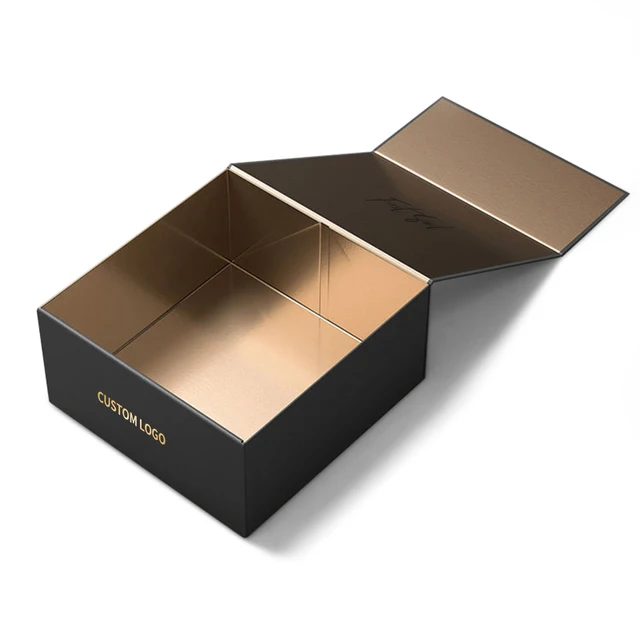
1. Magnetic Closure Boxes
These are the “stars” of luxury packaging. They feature a “flip-top” lid with hidden magnets that snap shut with a satisfying click.
- Best For: Jewelry, high-end electronics, and influencer PR kits.
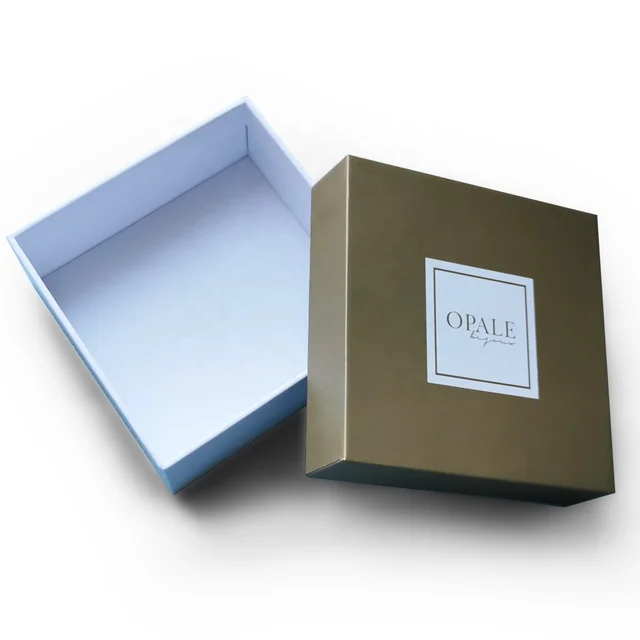
2. Lid and Base Boxes (Telescope Boxes)
This is a two-piece design where a lid fits over a base. It can be a “full telescope” (lid covers the whole base) or a “partial telescope” (lid covers only the top).
- Best For: Chocolates, luxury apparel, and board games.
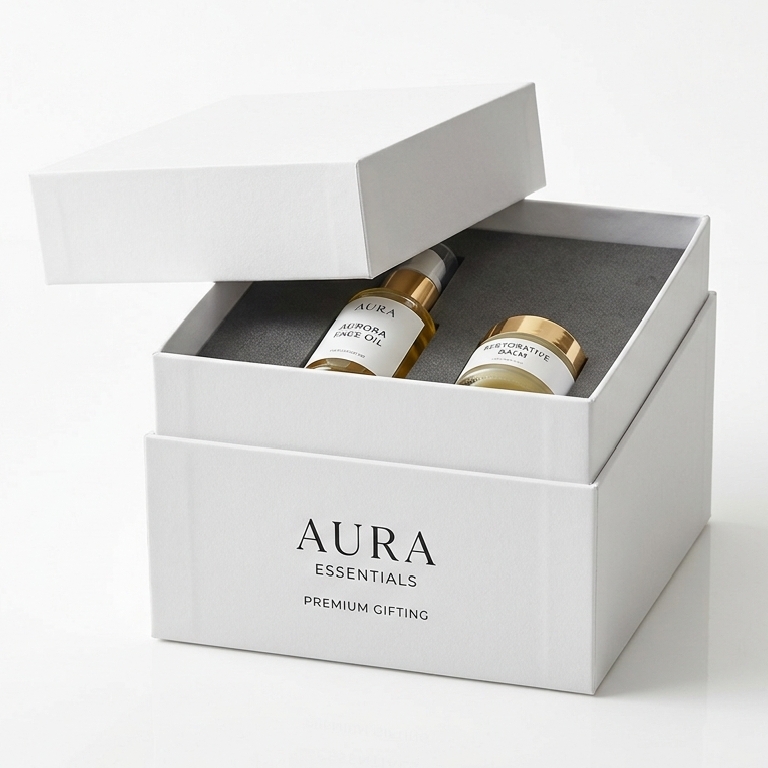
3. Shoulder and Neck Boxes
These have an extra inner layer (the “neck”) that creates a gap between the lid and the base. This “shoulder” can be a different color to create a beautiful contrast.
- Best For: Perfumes, cosmetics, and premium spirits.
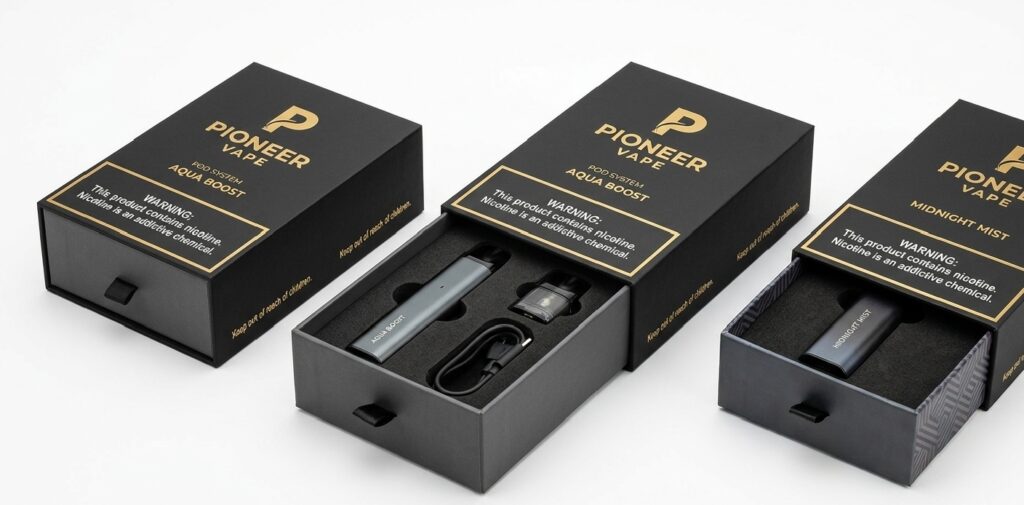
4. Drawer (Slide) Boxes
These function like a matchbox. An inner tray slides out from an outer sleeve, often using a ribbon pull-tab.
- Best For: Small accessories, watches, and delicate stationary.
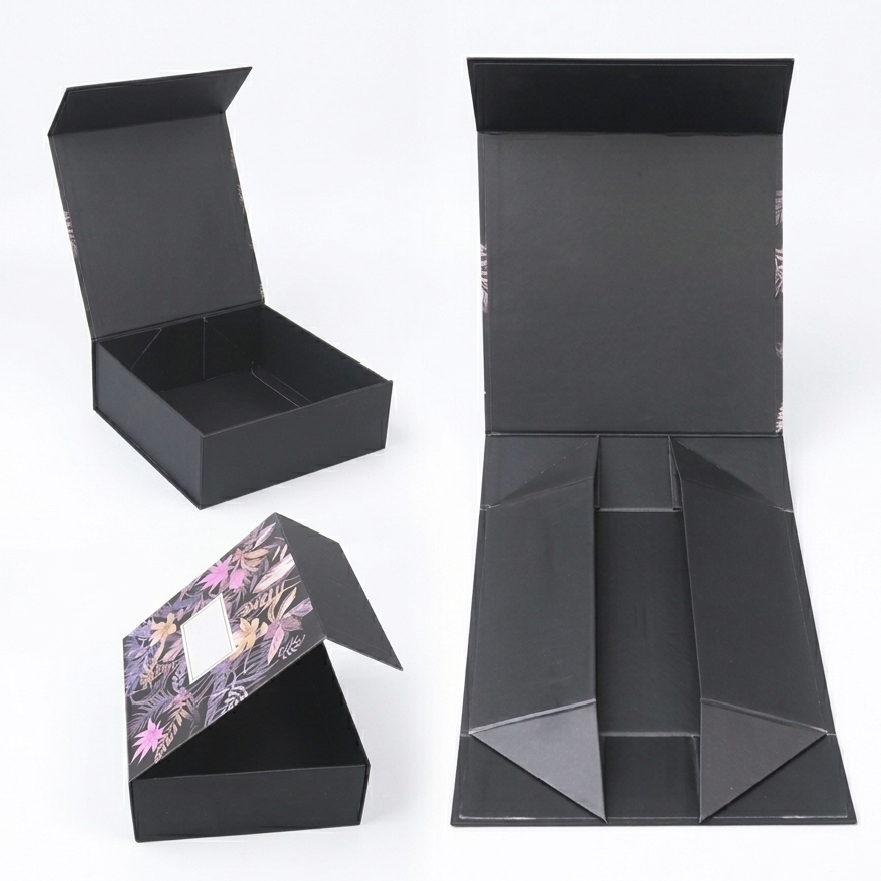
5. Collapsible (Foldable) Rigid Boxes
The best of both worlds! These look like high-end rigid boxes but can be shipped flat to save on storage and shipping costs. They use adhesive strips or magnets to assemble into a solid shape.
- Best For: E-commerce brands that want luxury without high shipping fees.
Printing & Finishing Options for Custom rigid boxes
To make your box stand out on a shelf (or an Instagram feed), you need the right “look.”
- Offset Printing: Best for high-quality, vibrant colors and large orders.
- Digital Printing: Great for smaller runs or designs with lots of photographic detail.
- Foil Stamping: Adds a shiny metallic layer (Gold, Silver, or Rose Gold) to your logo.
- Embossing & Debossing: Creates a raised or recessed 3D effect on the surface.
- Spot UV: Applies a glossy, shiny coating to specific areas (like your logo) to make them “pop” against a matte background.
- Soft Touch Lamination: Gives the box a velvety, “peach-skin” feel that screams luxury.
How to Choose: A Quick Checklist
- Weight of Product: Heavier items need thicker chipboard (2mm–3mm).
- Unboxing Experience: Do you want a “slow reveal” (Lid & Base) or a “quick snap” (Magnetic)?
- Storage Space: If you have a small warehouse, go for Collapsible Rigid Boxes.
- Budget: Lid and Base boxes are generally more affordable than complex Shoulder or Magnetic styles.
Custom Rigid Box Pricing Scale (Per Unit)
Prices are estimates for a standard-sized magnetic or lid-and-base box with a custom logo.
| Quantity Range | Estimated Price (Per Unit) | Total Project Cost | Production Method |
| 100 – 200 | $10.00 – $18.00 | $1,000 – $3,600 | Digital Printing / Semi-Manual |
| 200 – 500 | $6.00 – $12.00 | $1,200 – $6,000 | Transition to Offset Printing |
| 500 – 1,000 | $4.50 – $8.00 | $2,250 – $8,000 | Fully Automated Offset |
| 1,000 – 2,000 | $3.50 – $6.00 | $3,500 – $12,000 | High-Efficiency Bulk |
| 2,000 – 5,000 | $2.50 – $4.50 | $5,000 – $22,500 | Industrial Scale |
| 5,000 – 10,000 | $1.50 – $3.00 | $7,500 – $30,000 | Maximum Efficiency |
What Happens at Each Stage?
100 – 200 Units: The “Niche” Phase
At this level, you are likely still using digital printing. You pay a premium for flexibility. Most of your cost is in the “hand-assembly” of the boxes and the high cost of digital ink.
200 – 500 Units: The “Sweet Spot” for Startups
This is where the price starts to drop significantly. You begin to move away from “samples” and into “production.” Manufacturers start to offer better discounts on premium finishes like Spot UV or Foil Stamping.
500 – 1,000 Units: The “Professional” Standard
At 500+ units, almost every manufacturer will use Offset Printing. This provides the sharpest colors and the most consistent quality. The “setup fee” (which might be $300) now only adds $0.30–$0.60 to each box, making it much more affordable.
1,000 – 2,000 Units: High-Volume Efficiency
Once you hit 1,000 units, the machines are running at full speed. The cost of the paperboard and paper wrap becomes the main expense, rather than the labor. This is the ideal range for established e-commerce brands.
2,000 – 10,000+ Units: Industrial Scale
At this volume, you are getting the “factory direct” price.
- Shipping is the main challenge: 10,000 rigid boxes take up multiple shipping containers.
- Storage: Unless you use collapsible (foldable) rigid boxes, you will need a massive warehouse.
- Price Floor: At 10,000 units, you hit the “price floor”—the lowest possible price based on the raw cost of the cardboard and glue.
Important Note on “Landed Cost”
When ordering 5,000+ boxes, the Unit Price is low, but the Shipping Price can be high because rigid boxes are bulky.
Expert Tip: If you are ordering more than 2,000 units, always ask for a quote on Collapsible Rigid Boxes. They ship flat, which can save you up to 70% on shipping costs, potentially making the “Total Cost” much cheaper than a standard lid-and-base box.
FAQs
1. What is the minimum order quantity (MOQ) for custom rigid boxes?
Because rigid boxes are often handmade or require complex machinery setup, the MOQ usually starts between 100 to 500 units. Smaller runs are possible with digital printing, but the cost per box will be significantly higher.
2. How long does it take to produce custom rigid packaging?
Mass production typically takes 10 to 15 business days after the design is approved. If you are importing them from overseas, remember to factor in an additional 3 to 4 weeks for sea freight or 1 week for air shipping.
3. Are rigid boxes eco-friendly?
Yes! Most rigid boxes are made from 100% recycled chipboard. To make them fully sustainable, choose soy-based inks and avoid plastic laminations. Opt for “uncoated paper” or “aqueous coating” to ensure the box remains easily recyclable.
4. Can I get a custom insert for my rigid box?
Absolutely. To keep your product secure and professional, you can add inserts made of:
- EVA Foam: High-end, firm, and great for electronics.
- Cardboard/Paper: Eco-friendly and cost-effective.
- Molded Pulp: Great for a “natural” or organic brand feel.
- Satin/Silk Fabric: Ideal for luxury jewelry or perfumes.
5. What is the difference between a folding carton and a rigid box?
A folding carton (like a toothpaste box) is thin and shipped flat. A rigid box is 4 to 5 times thicker, does not collapse (unless it’s a special foldable design), and is used for high-end “keepsake” packaging that customers usually save rather than throw away.
6. How much do custom rigid boxes cost?
Price depends on size, quantity, and finish. On average, expect to pay anywhere from $2.00 to $10.00+ per box. Bulk orders significantly lower the price per unit.
Comments