

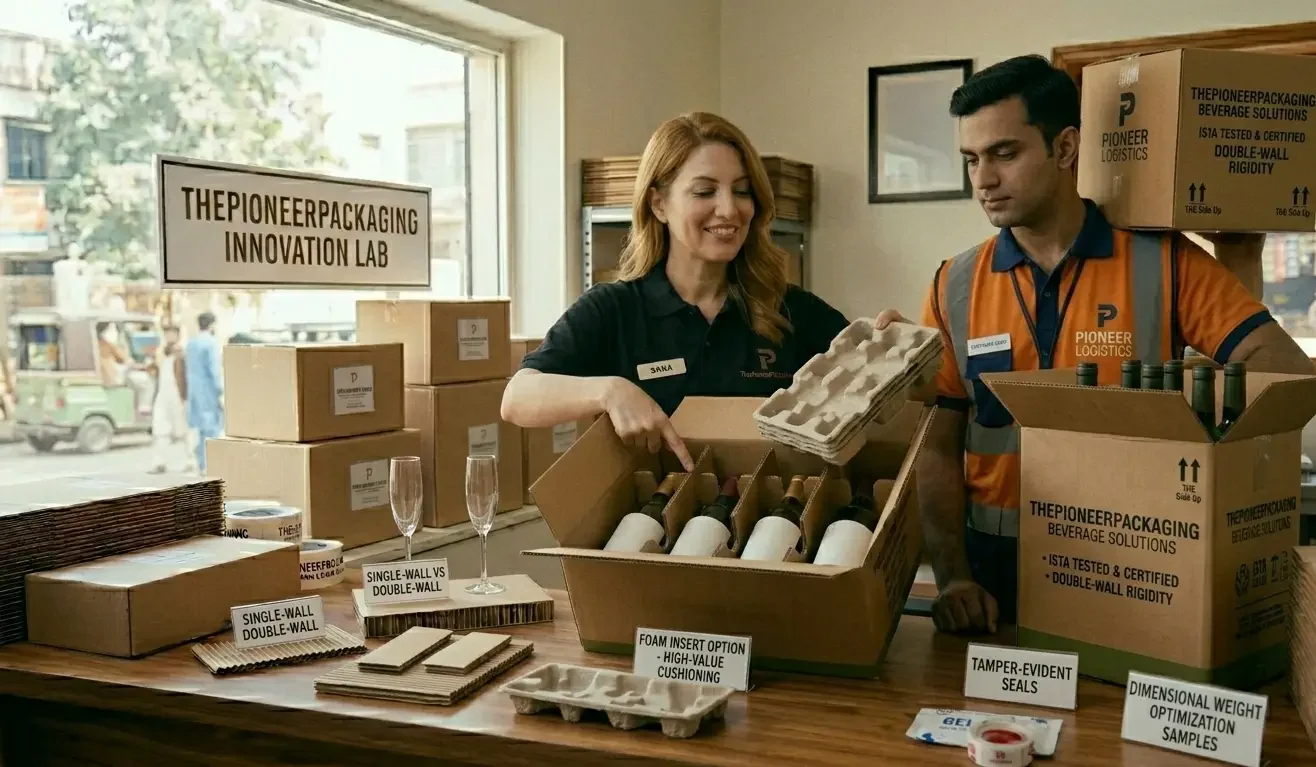
Your expensive wine, craft beer, or premium kombucha arrives shattered, leaking, or damaged. For beverage brands, one broken shipment can trigger refunds, negative reviews, chargebacks, and lost lifetime customers.
This comprehensive guide to beverage bottle shipping boxes reveals exactly how to choose protective packaging that prevents breakage, reduces shipping costs, strengthens your brand, and scales with your business. Whether you’re an e-commerce startup or an established beverage brand, you’ll discover proven solutions for safer, more profitable shipping.
What Are Beverage Bottle Shipping Boxes?
What Makes Beverage Bottle Packaging Different from Regular Boxes?
Beverage bottle shipping boxes are engineered for heavy, fragile, and often liquid-filled glass or plastic containers. Unlike regular shipping boxes, they must withstand impact, vibration, compression, and moisture while protecting against leakage and temperature changes.
Why Glass Bottle Shipments Fail During Transit
Glass is rigid and brittle. Standard boxes lack sufficient cushioning and dividers, allowing bottles to shift, collide, or break under stacking pressure and carrier handling. Liquids add weight and create mess when compromised.
Key Packaging Components: Inserts, Corrugated Walls, Cushioning
Effective systems combine strong outer corrugated walls, internal dividers or inserts, and shock-absorbing cushioning. These components work together to immobilize bottles and absorb energy during transit.
Single-Wall vs Double-Wall Corrugated Boxes
Single-wall boxes suit lighter shipments and shorter distances. Double-wall corrugated offers superior compression strength and durability, making it the safer choice for glass bottles, multi-bottle orders, and long-haul shipping.
Which Beverages Require Specialized Shipping Packaging?
Wine, spirits, craft beer, kombucha, cold brew coffee, juices, and carbonated drinks all need reinforced protection due to weight, fragility, pressure, or temperature sensitivity.
Best Types of Beverage Bottle Shipping Boxes
Corrugated Bottle Boxes vs Molded Pulp Packaging
Corrugated boxes deliver excellent strength and customization at scale. Molded pulp inserts (made from recycled paper) provide superior cushioning and eco-appeal but may require pairing with sturdy outer boxes for heavy glass bottles.
Partitioned Bottle Boxes: When Dividers Matter
Pre-formed partitions separate each bottle, preventing contact and reducing movement. They are essential for 6-, 12-, or 24-bottle shipments where collision risk is high.
Foam Insert Packaging for Premium Beverages
Custom foam inserts offer maximum protection for high-value wines and spirits. They cradle each bottle individually but increase cost and may affect sustainability goals.
Foldable Bottle Mailers for Ecommerce Brands
These space-saving, easy-to-store mailers are ideal for 1–4 bottle orders. Many feature built-in dividers and are optimized for dimensional weight pricing.
Custom Die-Cut Packaging vs Standard Stock Boxes
Custom die-cut designs fit bottles perfectly, minimizing movement. Stock boxes are cheaper initially but often lead to higher damage rates and wasted filler material.
Request a custom packaging assessment for your beverage products to find the ideal balance of protection and cost.
How to Prevent Glass Bottle Breakage During Shipping
Most Common Causes of Bottle Breakage
Insufficient cushioning, poor dividers, oversized boxes allowing shifting, weak outer cartons, and rough carrier handling are the primary culprits.
How Much Cushioning Is Actually Needed?
Aim for at least 2–3 inches of protection on all sides for glass bottles. The exact amount depends on bottle weight, quantity, and shipping distance.
Best Inserts for Fragile Beverage Bottles
- Die-cut corrugated partitions
- Molded pulp trays
- Foam or inflatable air cushions
- Honeycomb paper inserts
The Role of Compression Strength in Packaging
High compression strength prevents boxes from crushing when stacked on pallets or in delivery trucks. Double-wall corrugated with proper flute types excels here.
How Carriers Handle Fragile Shipments
Carriers use automated sorting systems that drop, shake, and corrugated packaging. Always label clearly as “Fragile” and “This Side Up,” but never rely on labels alone.
Testing Your Packaging Before Scaling
Use ISTA (International Safe Transit Association) testing protocols to simulate real-world shipping conditions. Drop, vibration, and compression tests reveal weaknesses early.
Get free samples of custom beverage bottle shipping boxes and test them with your actual products.
Choosing the Right Bottle Shipping Box for Your Beverage Type
Wine Bottle Shipping Boxes
Wine requires strong partitions, excellent cushioning, and often temperature-controlled or insulated options for premium shipments.
Beer Bottle Packaging Requirements
Craft beer needs secure dividers and pressure-resistant seals. Bottle caps can loosen under vibration, so tight immobilization is critical.
Kombucha and Carbonated Drink Packaging
Carbonation adds internal pressure. Use robust boxes with foam or molded inserts to absorb shocks that could cause explosions or leaks.
Cold Brew Coffee Bottle Shipping
Glass cold brew bottles are heavy. Focus on strong double-wall boxes and weight-distributing inserts.
Juice and Health Drink Packaging
Leak-proof inner seals combined with absorbent pads prevent messy claims if a bottle compromises.
Plastic vs Glass Bottle Packaging Needs
Plastic is more forgiving but still requires protection from crushing. Glass demands maximum cushioning and immobilization.
Custom Beverage Bottle Shipping Boxes vs Stock Packaging
When Custom Packaging Is Worth the Investment
Custom solutions pay off when you ship high volumes, experience frequent damage, or want to elevate brand experience.
Branding Benefits of Custom Bottle Boxes
Full-color printing, logos, thank-you messages, and QR codes turn shipping boxes into powerful marketing tools.
MOQ Considerations
Most custom manufacturers require 500–2,000 units minimum. Smaller runs are possible with digital printing but cost more per unit.
Cost Comparison: Stock vs Custom
Stock boxes win on upfront price. Custom corrugated packaging reduces long-term damage claims, improves unboxing experience, and justifies premium pricing.
Lead Times and Production Timelines
Stock boxes ship immediately. Custom designs typically require 2–6 weeks for samples and production.
How Custom Inserts Reduce Damage Claims
Precision-fit inserts eliminate movement, dramatically cutting breakage rates and associated costs.
Eco-Friendly Beverage Bottle Shipping Packaging
Sustainable Materials Buyers Prefer in 2026
Kraft paper, recycled corrugated, molded pulp, and bio-based foams lead customer preferences.
Recyclable vs Biodegradable Packaging
Recyclable options fit existing waste streams easily. Biodegradable and compostable materials appeal to premium eco-conscious buyers.
Kraft Packaging Trends
Natural brown Kraft with minimal printing projects authenticity and sustainability while maintaining strength.
How Eco Packaging Influences Customer Perception
Sustainable packaging builds trust and encourages social sharing, especially among millennial and Gen Z buyers.
Reducing Packaging Waste Without Increasing Damage
Right-sizing, lightweight yet strong materials, and efficient inserts minimize waste while maintaining protection.
How Beverage Brands Reduce Shipping Costs with Better Packaging
Dimensional Weight Explained
Carriers charge based on package volume (dimensional weight) when it exceeds actual weight. Oversized boxes with excessive filler inflate costs dramatically.
How Oversized Boxes Increase Shipping Fees
Extra space forces more filler and larger cartons, pushing packages into higher pricing tiers.
Packaging Optimization Strategies
Use exact-fit boxes, efficient inserts, and consolidated multi-bottle designs to lower dimensional weight.
Lightweight Protective Materials
Advanced honeycomb paper and molded pulp deliver protection at lower weight than traditional foam.
Reducing Returns Through Packaging Engineering
Better protection directly cuts damage-related returns, which can exceed 5–10% for fragile beverage shipments.
What to Look for in a Beverage Bottle Shipping Box Supplier
Questions to Ask Packaging Suppliers
- What testing data do you provide?
- Can you supply custom inserts?
- What are your MOQs and lead times?
- Do you offer volume discounts?
Minimum Order Quantities Explained
Startups should target suppliers with flexible MOQs or stock + customization hybrid options.
Packaging Certifications to Look For
ISTA, FSC (for sustainability), and food-grade compliance where relevant.
Turnaround Times and Scalability
Choose partners who can grow with you from small test runs to thousands of units monthly.
Domestic vs Overseas Suppliers
Domestic offers faster lead times and easier communication. Overseas may reduce unit cost at high volumes.
Red Flags When Choosing Packaging Vendors
Unrealistically low prices, lack of testing data, poor communication, and no sample policy.
Talk with a packaging specialist to reduce shipping damage and lower fulfillment costs.
Best Beverage Bottle Shipping Box Features for Ecommerce Brands
Subscription Box Packaging Strategies
Durable, consistent designs with strong branding create excitement for recurring customers.
Amazon-Safe Bottle Packaging
Meet Amazon’s strict packaging requirements for fragile items to avoid account issues.
DTC Unboxing Experience Optimization
Premium inserts, branded tissue, and thank-you cards turn deliveries into memorable moments.
Tamper-Evident Packaging
Seals and perforations reassure customers that bottles haven’t been compromised.
QR Codes and Branded Inserts
Link to tasting notes, recipes, or loyalty programs directly from the box.
Common Beverage Packaging Mistakes That Cause Expensive Damage
- Using generic boxes without proper inserts
- Ignoring dimensional weight calculations
- Poor insert design that allows movement
- Overpacking (too much filler) or underpacking
- Choosing price over durability
- Not testing packaging with real shipments before scaling
FAQ: Beverage Bottle Shipping Boxes
What is the best box for shipping glass beverage bottles? Double-wall corrugated boxes with partitioned inserts or custom foam/molded pulp cradles provide the best protection.
How do you keep bottles from breaking during shipping? Use proper dividers, sufficient cushioning on all sides, tight immobilization, and ISTA-tested packaging.
Are corrugated bottle boxes strong enough for glass bottles? Yes, especially double-wall versions with correct flute types and internal supports.
What inserts work best for beverage bottle packaging? Die-cut corrugated partitions, molded pulp trays, and custom foam inserts are all highly effective depending on volume and budget.
Can beverage bottle shipping boxes be recycled? Most corrugated and molded pulp options are widely recyclable when properly sorted.
How much does custom bottle packaging cost? Pricing varies by volume and complexity. Expect higher per-unit costs for low volumes and significant savings at scale.
What packaging is best for shipping wine bottles? Partitioned double-wall boxes with individual bottle cradles and strong outer protection.
How do ecommerce brands reduce bottle shipping damage? Through custom-fit packaging, rigorous testing, proper labeling, and carrier partnerships.
Are molded pulp inserts better than foam inserts? Molded pulp offers better sustainability and adequate protection for many shipments. Foam provides maximum cushioning for ultra-premium or long-distance routes.
What size shipping box should I use for beverage bottles? Choose the smallest box that allows proper cushioning and immobilization never significantly larger than needed.
Conclusion
Beverage bottle shipping boxes are far more than simple cartons they are critical protectors of your product quality, brand reputation, and profit margins. The right combination of corrugated strength, intelligent inserts, and custom design prevents costly breakage while creating outstanding customer experiences.
Key Takeaways:
- Double-wall corrugated with proper inserts is essential for glass bottles
- Always test packaging under real shipping conditions
- Custom solutions often deliver better long-term ROI
- Sustainable options no longer mean sacrificing protection
- Right-sizing and optimization slash shipping costs
Ready to ship with confidence and fewer headaches?
Get quote today Request a custom packaging assessment, get free samples of beverage bottle shipping boxes, or speak with a packaging specialist. Protect your beverages, impress your customers, and strengthen your bottom line.