

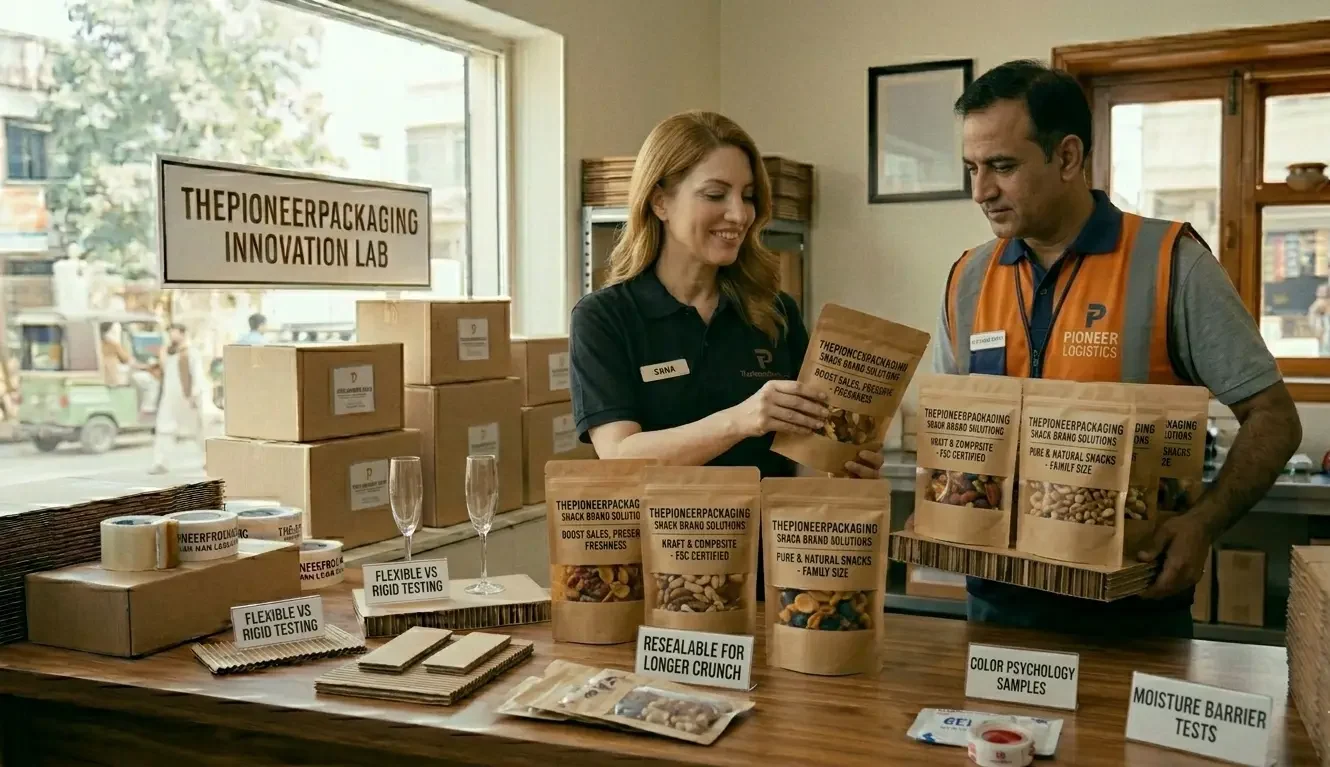
Your delicious snacks sit on shelves unnoticed or arrive crushed and stale to online customers. In a crowded market, even the best-tasting products fail without packaging that grabs attention, protects quality, and tells your brand story.
This comprehensive guide reveals everything snack brands need to know about packaging for snack brands from choosing the right materials and designs to cutting costs while boosting perceived value and customer loyalty. You’ll discover practical strategies that turn packaging into a powerful sales driver.
Why Packaging Matters for Snack Brands
How Packaging Influences Consumer Buying Behavior
Shoppers decide in seconds. Eye-catching, functional packaging triggers impulse purchases, especially in the fast-moving snack aisle where competition is fierce. Strong packaging communicates quality before customers even read the ingredients.
The Psychology Behind Snack Packaging Colors and Shapes
Bright, energetic colors like red, orange, and yellow stimulate appetite and urgency. Curved shapes feel friendly and premium, while sharp angles suggest modernity. Understanding these triggers helps your packaging connect emotionally with hungry shoppers.
Why Shelf Appeal Matters in Retail Stores
In retail, your package competes with hundreds of others. Bold, clear designs that stand out from three feet away drive more add-to-cart moments and higher velocity on shelves.
How Premium Packaging Increases Perceived Product Value
Customers willingly pay more for snacks in high-quality packaging. A sturdy, beautifully designed pouch makes the product feel gourmet, justifying premium pricing and improving margins.
Packaging as a Brand Storytelling Tool
Your packaging is a billboard for your story whether it’s “healthy indulgence,” “family tradition,” or “planet-first snacks.” Smart designs build emotional connections that turn one-time buyers into loyal fans.
Many great snacks fail due to weak corrugated packaging that looks cheap, fails to protect freshness, or blends into the background. Avoid these fatal branding mistakes by investing wisely from day one.
Best Types of Packaging for Snack Products
Flexible vs Rigid Snack Packaging
Flexible packaging (pouches and films) is lightweight, cost-effective, and space-efficient for shipping. Rigid packaging (boxes and trays) offers better protection and shelf presence but costs more and takes up more storage space.
Stand-Up Pouches vs Flat Pouches
Stand-up pouches dominate retail because they display well on shelves and maximize branding space. Flat pouches work better for subscription boxes or cost-sensitive bulk orders.
Resealable Packaging for Snacks
Resealable zippers or sliders keep snacks fresh longer and improve convenience a major factor in repeat purchases for multi-serving packs.
Single-Serve vs Family-Size Packaging
Single-serve portions drive impulse buys and portion control trends. Family-size options appeal to value-conscious households but require stronger materials to maintain freshness.
Transparent vs Opaque Packaging
Transparent windows let customers see the product, building trust. Opaque packaging better protects against light damage for sensitive snacks like chocolate or dried fruits.
Comparison Table: Flexible vs Rigid Snack Packaging
- Cost: Flexible wins for most startups
- Shelf Life: Rigid often superior with better barriers
- Retail Performance: Stand-up flexible pouches excel
- Sustainability: Both have strong eco options now
Request custom packaging samples to test what performs best for your specific snacks.
Choosing the Right Materials for Snack Packaging
Plastic Films and Laminates Explained
Multi-layer laminates combine strength, barrier properties, and printability. They protect against moisture, oxygen, and light critical for crispy snacks.
Aluminum Foil Packaging Benefits
Foil barriers offer excellent light and oxygen protection, making them ideal for premium nuts, chocolates, and savory snacks with longer shelf-life needs.
Kraft Paper Snack Packaging
Unbleached Kraft delivers a natural, artisanal look that resonates with health-conscious consumers while providing good strength for dry snacks.
Compostable and Biodegradable Materials
Plant-based films and paper with bio-coatings are gaining traction. They appeal to eco-buyers but require careful selection to match traditional performance.
Food-Safe Packaging Requirements
All materials must meet FDA standards for direct food contact. Verify certifications to avoid compliance headaches.
Which Material Keeps Snacks Fresh Longest? High-barrier laminates and foil typically win for chips and crisps. Kraft with strong seals works well for drier items.
What Packaging Works Best for Chips? Multi-layer metallized films in stand-up resealable pouches offer the best crunch retention.
Mistakes to Avoid: Using cheap single-layer materials that cause rapid staleness or ignoring barrier needs for oily snacks.
Snack Packaging Design Strategies That Increase Sales
How to Design Packaging That Stands Out
Use bold contrasts, unique shapes, and clear windows. Ensure your brand name and key benefit are readable from a distance.
Typography and Color Psychology for Snack Brands
Playful fonts suit fun snacks, while clean sans-serif fonts convey premium health positioning. Match colors to flavor profiles and target audience.
Minimalist vs Bold Packaging Design
Minimalist designs build trust for healthy and premium snacks. Bold, colorful packaging drives impulse buys for indulgent treats.
Packaging Trends Consumers Trust
Authentic photography, transparent windows, and clear “clean label” callouts perform strongly in 2026.
Creating Packaging for Healthy Snack Brands
Emphasize natural textures, green tones, and visible ingredients to signal purity and health benefits.
Before-and-after redesign examples consistently show 20-40% sales lifts when corrugated packaging better communicates quality and appeal.
Sustainable Packaging for Snack Brands
Compostable vs Recyclable Packaging
Compostable breaks down into soil. Recyclable integrates into existing waste systems. Many brands now use both strategically.
Consumer Demand for Sustainable Packaging
Shoppers actively seek and reward eco-friendly snack brands, often paying more for credible green options.
Sustainable Materials That Still Preserve Freshness
Advanced compostable barriers and recycled content laminates now match traditional shelf life in many applications.
Greenwashing Mistakes Brands Should Avoid
Vague claims without proof damage trust. Always support sustainability statements with third-party certifications.
How Sustainability Improves Brand Loyalty
Authentic eco-packaging creates emotional bonds and turns customers into brand advocates.
Packaging Compliance & Food Safety Requirements
FDA and Food Packaging Regulations
Ensure all materials and inks are food-safe and properly tested for migration.
Required Labeling for Snack Products
Include nutrition facts, ingredients, allergens, net weight, and manufacturer details as mandated.
Tamper-Proof Packaging Standards
Use seals or unique closures, especially for direct-to-consumer and retail distribution.
Allergen Labeling Requirements
Clear, bold allergen declarations are non-negotiable to protect consumers and avoid legal risks.
Shelf-Life Testing Basics
Conduct real-time and accelerated testing to validate claims and ensure safety throughout distribution.
Packaging for Retail vs E-Commerce Snack Brands
Retail Shelf Packaging Requirements
Prioritize stand-up designs, strong visual hierarchy, and retail-ready features like easy stacking.
E-Commerce Durability Challenges
Focus on crush-resistant structures, efficient void fill, and protection against rough handling.
Subscription Snack Box Packaging
Consistent, exciting unboxing experiences with strong branding keep subscribers engaged month after month.
Packaging for Amazon and DTC Brands
Meet platform-specific requirements while optimizing for dimensional weight and unboxing delight.
Unboxing Experience Optimization
Thoughtful inserts, thank-you notes, and premium touches turn deliveries into shareable moments.
Snack Packaging Costs Explained
What Affects Packaging Pricing?
Material choice, order volume, printing method, and customization level are the biggest factors.
MOQ (Minimum Order Quantity) Explained
Most suppliers require 5,000–25,000 units for custom work. Startups can start smaller with digital printing.
Digital Printing vs Flexographic Printing
Digital offers flexibility and lower MOQs. Flexo provides better economics at high volumes.
How Startups Can Reduce Packaging Costs
Standardize sizes, combine orders, and begin with semi-custom solutions before full customization.
Hidden Packaging Expenses Brands Overlook
Shipping damage, returns, wasted materials, and lost sales from poor perception add up quickly.
How to Choose the Right Snack Packaging Supplier
Questions to Ask Packaging Manufacturers
- What are your MOQs and lead times?
- Can you provide food safety and sustainability certifications?
- Do you offer design and testing support?
Red Flags When Choosing Suppliers
Extremely low prices, lack of certifications, poor communication, and no prototype process.
Domestic vs Overseas Suppliers
Domestic offers speed and easier collaboration. Overseas can reduce costs at scale but adds lead time risk.
Packaging Prototype Process
Always test physical samples with real products under actual shipping and shelf conditions.
Lead Times and Logistics
Plan 8–12 weeks ahead for custom orders to avoid stockouts during peak seasons.
Get a free packaging consultation tailored to your snack brand and product lineup.
Snack Packaging Trends Dominating 2026
Smart Packaging Technology
QR codes that link to recipes, origin stories, or freshness indicators are becoming standard.
QR-Code Interactive Packaging
Turns passive packages into engaging brand experiences that drive loyalty and data collection.
Minimalist Packaging Trends
Clean designs emphasizing transparency and simplicity resonate strongly with modern consumers.
AI-Generated Packaging Design
Tools help accelerate creative processes while maintaining brand consistency.
Transparent Ingredient-Focused Packaging
Clear windows and honest labeling build trust in an era of ingredient scrutiny.
FAQ: Packaging for Snack Brands
What is the best packaging for snack products? Stand-up resealable pouches made with high-barrier laminates or compostable films offer the best balance of protection, convenience, and shelf appeal for most snacks.
How much does custom snack packaging cost? Costs typically range from $0.05–$0.35 per unit depending on volume, materials, and customization. Higher volumes significantly reduce per-unit pricing.
What material keeps snacks fresh the longest? Multi-layer barrier films with aluminum or metallized layers provide superior protection against moisture, oxygen, and light.
Is eco-friendly snack packaging expensive? It often costs 15-40% more initially, but many brands achieve strong ROI through higher perceived value and customer loyalty.
What packaging is best for chips and crisps? Metallized stand-up pouches with resealable features and strong moisture barriers maintain crunch and freshness best.
How do snack brands design attractive packaging? They combine bold colors, clear windows, benefit-driven messaging, and unique shapes that stand out while communicating quality.
What are the latest snack packaging trends? Minimalist designs, interactive QR codes, compostable materials, and transparent windows highlighting clean ingredients.
Can sustainable packaging preserve shelf life? Yes. Modern compostable and recyclable high-barrier materials deliver shelf life comparable to traditional options when properly engineered.
What should be included on snack packaging labels? Nutrition facts, full ingredients, allergens, net weight, manufacturer info, and any required claims or certifications.
How do I find a reliable snack packaging supplier? Look for proven food-grade certifications, strong client references, prototype capabilities, and transparent communication. Request samples and test thoroughly.
Conclusion
Packaging for snack brands is one of the highest-ROI investments you can make. The right combination of materials, design, and sustainability turns packaging from a cost into a powerful marketing asset that protects products, captivates customers, and drives sales.
Key Takeaways:
- Prioritize shelf appeal and protection together
- Match materials to your snack type and distribution channel
- Invest in sustainable options that maintain performance
- Test everything before full production
- Use packaging as a storytelling and loyalty tool
Ready to elevate your snack brand with packaging that sells?
Get quote today Request custom packaging samples, book a free packaging consultation, or compare solutions tailored to your products. Create packaging that makes your snacks irresistible and your brand unforgettable.