

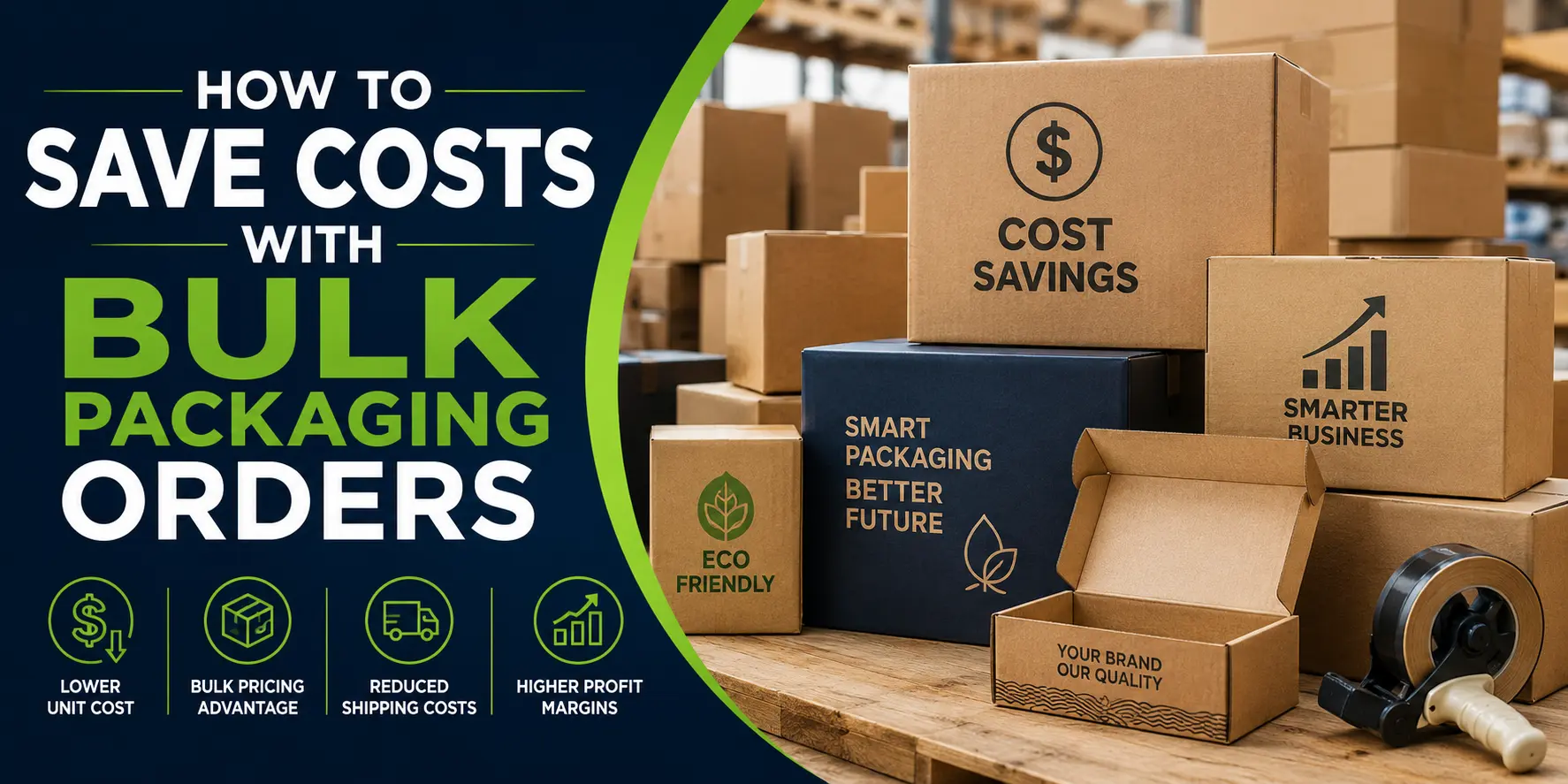
Packaging costs affect every part of a business. They influence product pricing, shipping expenses, storage requirements, and profit margins. Many companies focus only on the price per box. Smart businesses look deeper. They optimize packaging systems to reduce long-term operational costs.
Bulk packaging orders help brands lower production expenses and improve supply chain efficiency at the same time. This strategy works especially well for e-commerce brands, cosmetic companies, CBD businesses, food brands, subscription services, and retail stores.
If you want to reduce packaging costs without lowering quality, this guide explains the strategies that actually work.
Why Bulk Packaging Orders Cost Less
Packaging manufacturers spend money before production even starts. They prepare printing plates, calibrate machines, source materials, and set up die-cutting equipment. These setup costs stay nearly the same whether you order 500 boxes or 50,000 boxes.
That is why wholesale custom packaging becomes cheaper at higher quantities.
Large orders also give suppliers better production planning. They reduce downtime and material waste. In return, businesses receive lower pricing per unit.
The biggest advantage of bulk packaging is not only lower box prices. The real savings appear in shipping, inventory management, and labor efficiency.
Average Packaging Savings by Order Volume
| Order Quantity | Average Cost Per Box | Estimated Savings |
|---|---|---|
| 500 Boxes | $1.18 | — |
| 2,500 Boxes | $0.81 | 31% |
| 5,000 Boxes | $0.59 | 50% |
| 10,000 Boxes | $0.43 | 63% |
The final price depends on material type, box style, printing coverage, inserts, coatings, and shipping destination.
Most Businesses Waste Money on Oversized Packaging
This is one of the biggest hidden problems in the packaging industry.
Many brands choose larger boxes because they want products to look premium. However, oversized packaging increases costs in multiple ways. It uses more material, takes more warehouse space, and increases dimensional shipping charges.
Shipping carriers now calculate pricing using dimensional weight. Even small increases in box dimensions can raise fulfillment costs dramatically.
A business shipping 10,000 orders per month may lose thousands of dollars annually from only one inch of unnecessary box space.
Smart packaging companies optimize dimensions carefully. They minimize empty space while protecting the product during transit.
This strategy lowers:
- shipping costs,
- filler material usage,
- warehouse storage expenses,
- damage rates.
Standard Box Sizes Reduce Manufacturing Costs
Custom dimensions require custom production adjustments. That increases setup time and material waste.
Standardized packaging sizes simplify production and improve efficiency across the supply chain.
For example, many successful e-commerce brands use only three mailer box sizes for their entire product catalog. They use inserts, dividers, or sleeves to adjust internal presentation instead of creating completely different packaging structures.
This approach reduces:
- inventory complexity,
- storage costs,
- reorder confusion,
- dead stock risk.
Most websites never discuss this strategy, yet it saves large businesses significant money every year.
Reduce Printing Costs Without Making Packaging Look Cheap
Many companies think heavy printing creates luxury packaging. In reality, minimalist packaging often performs better in modern retail and e-commerce markets.
Large solid ink coverage increases production costs because it requires more ink, drying time, and maintenance.
Brands can reduce costs by:
- using strategic white space,
- simplifying artwork,
- limiting unnecessary coatings,
- reducing internal printing.
Luxury brands now use cleaner packaging designs because they improve both branding and profitability.
Simple packaging also creates a more premium customer experience than overcrowded graphics.
Use One Packaging Structure for Multiple Products
Many businesses create separate packaging for every flavor, scent, or variation. This approach increases tooling costs and creates inventory problems.
Instead, companies can use one universal box design and customize products with labels, sleeves, stickers, or inserts.
A skincare brand can use one packaging structure for multiple creams and simply change the outer label. A food company can use one mailer box for several snack variations.
This strategy reduces:
- die-cut expenses,
- minimum order quantity problems,
- packaging waste,
- obsolete inventory.
It also speeds up production and simplifies warehouse operations.
Packaging Storage Costs Matter More Than Most Businesses Realize
Large packaging inventories create hidden warehouse expenses. Many companies focus only on manufacturing price and ignore storage costs.
Flat-packed packaging saves significant warehouse space. Efficient stacking structures also improve inventory handling speed.
Some companies now design packaging specifically for pallet optimization. This means the packaging dimensions align perfectly with shipping pallets to reduce wasted freight space.
Very few online articles discuss pallet efficiency, but large retail brands use this strategy aggressively to lower logistics costs.
Cheap Packaging Often Creates Bigger Financial Losses
Low-cost packaging may look attractive at first. However, damaged products cost far more than stronger packaging materials.
Returns create multiple expenses:
- replacement costs,
- reverse logistics,
- customer support labor,
- reputation damage,
- lost repeat customers.
Smart businesses calculate packaging costs together with damage rates.
A slightly stronger corrugated box may reduce total business costs even if the initial box price is higher.
Forecast Packaging Demand Before Peak Seasons
Emergency packaging orders destroy profit margins.
Rush production usually includes:
- overtime manufacturing,
- expedited printing,
- expensive air freight,
- limited material availability.
Businesses should forecast packaging demand before:
- Black Friday,
- Christmas,
- product launches,
- seasonal sales periods.
Companies that plan inventory early receive better pricing and faster production timelines.
Sustainable Packaging Can Lower Costs Too
Eco-friendly packaging is no longer expensive. In many cases, it reduces operational costs.
Lightweight recyclable materials reduce freight weight and lower shipping expenses. Minimal packaging also uses fewer raw materials.
Modern customers prefer sustainable packaging, especially in the USA market. Many consumers now associate minimalist recyclable packaging with premium branding.
Kraft packaging, corrugated mailer boxes, and recyclable inserts often provide the best balance between affordability and sustainability.
Packaging Cost Reduction Strategies
| Strategy | Estimated Savings |
|---|---|
| Bulk packaging orders | 30%–60% |
| Optimized box dimensions | 10%–25% |
| Standardized box sizes | 8%–20% |
| Reduced ink coverage | 5%–15% |
| Better pallet utilization | 10%–18% |
| Inventory forecasting | 10%–15% |
| Lower product damage rates | 5%–20% |
If you are looking for estimated prices for custom boxes, please use this tool to get price quote instantly.
Frequently Asked Questions
How do bulk packaging orders reduce costs?
Bulk packaging lowers manufacturing expenses because setup costs spread across larger quantities. Businesses also save money on shipping, labor, and inventory management.
What is the cheapest packaging material?
Kraft packaging is usually the most affordable option. Corrugated packaging provides better durability for shipping and e-commerce businesses.
Is custom packaging cheaper in bulk?
Yes. Wholesale custom packaging significantly lowers cost per unit compared to small production runs.
How can I reduce shipping costs with packaging?
Use smaller box dimensions, lightweight materials, and optimized packaging structures. Avoid oversized packaging whenever possible.
What is dimensional weight in shipping?
Shipping carriers calculate pricing using package dimensions and weight. Large boxes often cost more even if they are lightweight.
Should small businesses order packaging in bulk?
Small businesses should order enough inventory to receive wholesale pricing without creating excessive storage costs.
How do companies avoid packaging waste?
Businesses reduce waste by using standardized packaging sizes, recyclable materials, and universal packaging structures.
Does sustainable packaging save money?
Yes. Lightweight recyclable packaging often lowers material usage and shipping expenses while improving brand image.
What type of packaging is best for e-commerce?
Corrugated mailer boxes remain the best choice for most e-commerce businesses because they provide strong protection and affordable shipping.
Why do packaging costs increase suddenly?
Packaging costs rise because of material shortages, freight increases, rush production, and seasonal demand spikes.
Final Thoughts
Bulk packaging orders help businesses lower costs far beyond simple manufacturing savings. The biggest financial advantages come from operational efficiency, shipping optimization, inventory planning, and damage reduction.
Companies that optimize packaging dimensions, simplify structures, and forecast demand properly build stronger profit margins over time.
The smartest packaging strategy is not always the cheapest box. It is the system that reduces total business costs across production, shipping, storage, and customer satisfaction.