

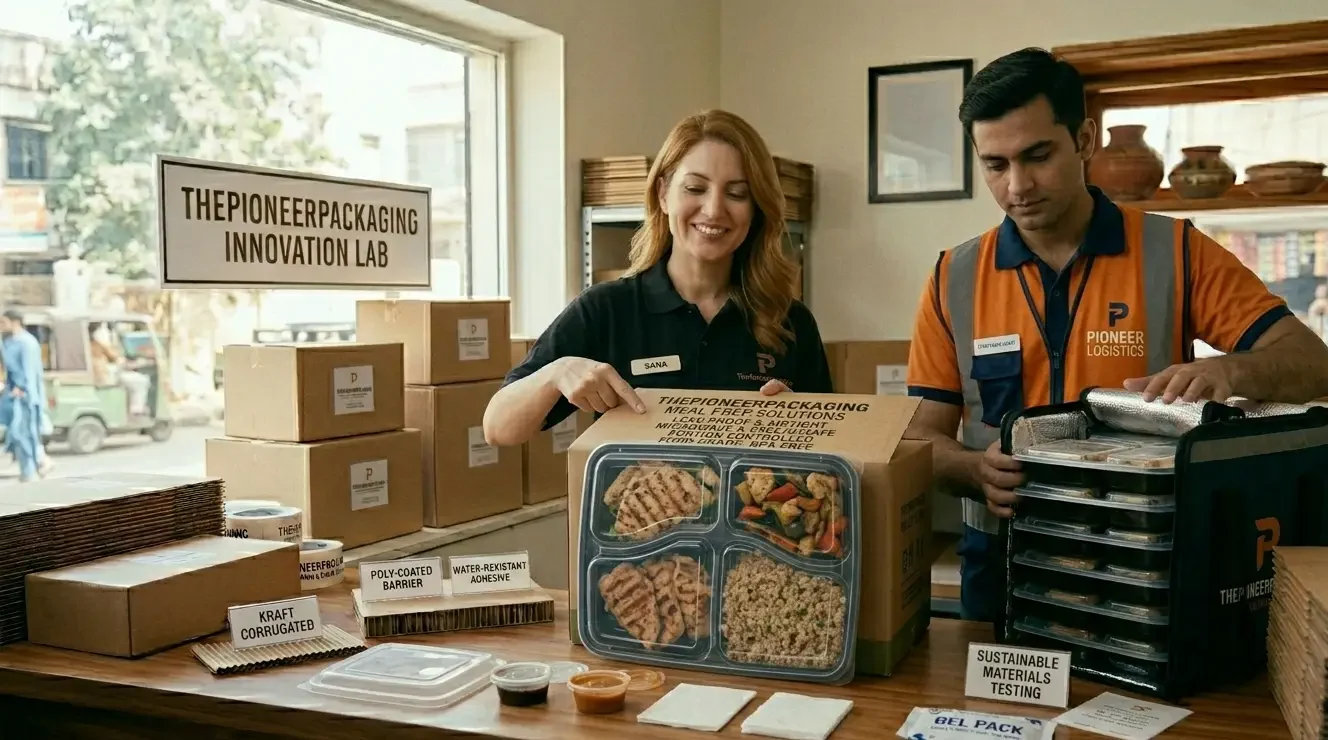
Your perfectly prepared meals arrive leaking, soggy, or spoiled. Customers complain, leave bad reviews, and never order again. For meal prep businesses, commercial kitchens, fitness brands, and home chefs, poor packaging quietly destroys profits and reputation.
This complete guide to meal prep packaging solutions shows you exactly how to choose containers that lock in freshness, withstand delivery, strengthen your brand, and boost profit margins. You’ll discover materials, designs, and strategies that solve real problems and turn packaging into a competitive advantage.
What Are Meal Prep Packaging Solutions?
What Qualifies as Meal Prep Packaging?
Meal prep packaging includes containers designed for portioned, ready-to-eat meals that maintain safety, freshness, and quality from preparation through delivery or storage. These go beyond basic leftovers containers and meet commercial demands for durability, temperature control, and food safety.
Difference Between Storage Containers and Commercial Packaging
Home storage containers focus on basic fridge use. Commercial meal corrugated packaging must handle stacking, delivery vibrations, temperature fluctuations, reheating, and customer convenience while meeting food safety regulations.
Why Packaging Matters for Food Freshness and Safety
Proper packaging controls oxygen, moisture, and temperature the main factors behind spoilage. It also prevents cross-contamination and extends shelf life, reducing waste and protecting customers.
Key Features Every Meal Prep Container Should Have
- Leak-proof and airtight seals
- Microwave and freezer safe
- Durable construction for stacking
- Food-grade, BPA-free materials
- Easy-open lids with good grip
- Portion control markings
Common Mistakes People Make When Choosing Containers
Many choose the cheapest option, ignore delivery testing, or pick materials that warp in the microwave. Others overlook sustainability or fail to match packaging to specific meal types, leading to soggy food, leaks, and high replacement costs.
Best Meal Prep Packaging Materials Compared
Plastic vs Glass Meal Prep Containers
Plastic is lightweight, affordable, and highly stackable ideal for delivery. Glass offers premium feel, excellent heat resistance, and no staining, but it’s heavier and more breakable, increasing shipping costs.
Are BPA-Free Plastics Actually Safe?
Modern BPA-free plastics are significantly safer, but quality varies. Look for containers labeled food-grade with certifications. Avoid cheap imports that may still leach chemicals when heated repeatedly.
Aluminum Trays vs Compostable Containers
Aluminum excels at heat conduction for reheating and provides good barrier protection. Compostable containers appeal to eco-conscious customers but may lack the same durability for heavy or saucy meals.
Silicone Meal Prep Containers: Pros and Cons
Silicone is flexible, collapsible for storage, and highly heat-resistant. However, it can be pricier and less effective at preventing leaks compared to rigid options.
Which Materials Work Best for Freezing and Reheating?
Glass and high-quality polypropylene plastics handle temperature extremes best. Always verify freezer-to-microwave or oven-safe ratings.
Cost Comparison by Packaging Type
| Material | Cost per Unit | Durability | Sustainability | Best Use Case |
|---|---|---|---|---|
| Plastic (PP) | Low | Good | Moderate | Delivery & high volume |
| Glass | High | Excellent | High | Premium & home use |
| Aluminum | Medium | Good | High | Reheating & frozen meals |
| Compostable | Medium-High | Moderate | Excellent | Eco-focused brands |
| Silicone | High | Good | Moderate | Versatile home meal prep |
Compare top meal prep packaging suppliers and find the perfect match for your business needs.
How to Choose Packaging Based on Meal Type
Best Packaging for Hot Meals
Two-compartment containers with excellent steam ventilation and secure seals prevent sogginess while keeping food hot. High-heat-resistant materials are essential.
Packaging for Frozen Meal Prep
Double-walled or insulated options with strong moisture barriers prevent freezer burn and condensation damage.
Salad and Cold Meal Packaging Solutions
Clear containers with separate dressing compartments keep greens crisp and prevent wilting from moisture or dressing leakage.
Packaging for Sauces and Liquids
Multi-compartment trays with tight-sealing lids or individual sauce cups stop messy leaks during transport.
Portion-Control Packaging for Fitness Meals
Clearly marked, consistent-sized containers help customers track macros and maintain diet discipline.
Packaging for High-Protein Meal Prep Businesses
Sturdy, leak-proof designs that handle heavier portions and frequent reheating without warping.
Request custom packaging samples to test real performance with your specific meals.
Best Packaging Solutions for Meal Delivery Businesses
Leak-Proof Containers for Delivery
Look for containers with snap-tight or pressure-sealed lids tested under vibration and tilting.
Tamper-Evident Packaging Explained
Seals and perforated tabs show customers the meal hasn’t been opened, building trust with delivery apps and clients.
How to Maintain Food Temperature During Transit
Insulated outer bags combined with good container insulation keep hot meals hot and cold meals cold.
Insulated Packaging Options
Foam-lined or reflective insulated containers significantly extend temperature hold times.
Stackable Packaging for Efficient Delivery
Uniform shapes and strong lids allow drivers to carry more orders securely.
Packaging That Improves Unboxing Experience
Attractive, easy-open designs with branding create delight and encourage social shares.
Eco-Friendly Meal Prep Packaging Solutions
Compostable vs Biodegradable Packaging
Compostable breaks down fully into soil within months under right conditions. Biodegradable eventually breaks down but may leave residue. Compostable is preferred for true sustainability claims.
Recyclable Meal Prep Containers
Widely recyclable plastics and paper-based options reduce environmental impact when customers actually recycle them.
Customer Demand for Sustainable Packaging
Eco-conscious consumers actively choose brands with corrugated packaging and reward them with loyalty and higher willingness to pay.
Cost of Eco-Friendly Meal Prep Packaging
It usually costs 20-40% more upfront, but improved brand perception and reduced plastic waste often deliver strong long-term ROI.
Greenwashing Mistakes Businesses Should Avoid
Vague claims like “eco-friendly” without proof can damage credibility and invite legal trouble. Always back claims with certifications.
Best Sustainable Packaging Materials in 2026
Bagasse, molded fiber, PLA, and recycled polypropylene lead the way with improving performance and lower costs.
How Packaging Affects Food Freshness & Shelf Life
How Oxygen Exposure Ruins Meal Prep
Oxygen causes oxidation, leading to color changes, off-flavors, and faster spoilage. Airtight seals are non-negotiable.
Airtight Containers and Freshness Science
High-quality seals minimize air exchange, dramatically extending safe consumption windows.
Vacuum Sealing for Meal Prep
Vacuum-sealed options can extend fridge life by several days, especially for proteins and cooked meals.
Moisture Control Strategies
Absorbent pads and separate compartments prevent excess moisture from ruining textures.
How Long Meal Prep Lasts in Different Containers
High-quality airtight containers typically keep meals fresh 4-7 days in the fridge. Poor packaging often cuts this to 2-3 days.
Packaging Mistakes That Cause Bacterial Growth
Loose lids, cross-contamination between compartments, and temperature abuse are major culprits.
Meal Prep Packaging Costs and Profit Margins
Average Packaging Cost per Meal
Costs range from $0.25–$1.50+ per meal depending on material, size, and customization.
Bulk Buying vs Custom Packaging
Bulk standard containers lower costs significantly. Custom printed options cost more but enhance branding and perceived value.
How Packaging Impacts Profit Margins
Premium packaging can justify higher meal prices while reducing complaints and waste.
Cheap Packaging Mistakes That Hurt Brands
Flimsy containers cause leaks and damage reviews. The resulting refunds and lost customers far exceed minor savings.
When Premium Packaging Increases Conversions
Beautiful, functional packaging signals quality and increases repeat orders and social proof.
Hidden Costs in Food Packaging Operations
Waste, returns, delivery failures, and negative reviews add up quickly with subpar choices.
Get bulk pricing for meal prep packaging and optimize your costs without compromising quality.
Branding Strategies Using Meal Prep Packaging
Custom Printed Meal Prep Packaging
Logos, nutritional info, and motivational messages turn every container into a brand ambassador.
Packaging Design Psychology
Clean, vibrant designs with clear windows build appetite appeal and trust.
Labeling Requirements for Food Businesses
Include ingredients, allergens, nutrition facts, and storage instructions to stay compliant.
QR Codes and Smart Packaging
Link to reheating instructions, workout pairings, or loyalty programs for deeper engagement.
How Packaging Builds Customer Loyalty
Consistent, high-quality experiences create emotional connections and encourage subscriptions.
Packaging Ideas That Increase Social Sharing
Stunning unboxing moments, clever designs, and strong branding encourage customers to post photos.
Best Meal Prep Packaging Solutions by Business Type
Packaging for Fitness Meal Prep Companies
Durable, portion-controlled, microwave-safe containers with macro-friendly designs.
Packaging for Restaurants Offering Meal Prep
High-volume, stackable solutions that integrate with existing kitchen workflows.
Packaging for Frozen Food Brands
Insulated, moisture-resistant systems built for longer shelf life and shipping.
Packaging for Home Chefs and Small Kitchens
Reusable, versatile containers that are easy to clean and store.
Packaging for Subscription Meal Services
Consistent, branded, tamper-evident packaging optimized for recurring deliveries.
Packaging for Catering Businesses
Larger capacity, multi-compartment options designed for transport and presentation.
Common Meal Prep Packaging Mistakes to Avoid
- Using non-microwave-safe materials that warp or release chemicals
- Choosing style over functionality and suffering leaks
- Ignoring real-world delivery testing
- Underestimating customer convenience (hard-to-open lids)
- Poor lid sealing systems that fail under pressure
- Not calculating total packaging waste and disposal costs
FAQ: Meal Prep Packaging Solutions
What is the best packaging for meal prep? High-quality polypropylene plastic or glass containers with airtight, leak-proof lids. The best choice depends on your delivery needs and target customer.
Are glass meal prep containers better than plastic? Glass offers better heat resistance and premium feel but is heavier. Plastic is lighter and more practical for large-scale delivery.
How do you keep meal prep fresh for a week? Use airtight, vacuum-sealed containers, store at proper fridge temperatures (below 40°F/4°C), and separate wet and dry components.
What packaging is best for meal delivery businesses? Leak-proof, stackable, tamper-evident containers with good insulation properties and strong branding potential.
What are the safest meal prep container materials? Food-grade polypropylene (PP #5), glass, and certified compostable materials with proper safety certifications.
How much does meal prep packaging cost? Typically $0.25 to $1.50+ per meal. Bulk purchasing and standardization significantly reduce per-unit costs.
What are eco-friendly meal prep packaging options? Compostable bagasse, PLA, recycled paperboard, and certified sustainable plastics.
Can meal prep containers go in the microwave and freezer? Only if specifically labeled as safe for both. Always check manufacturer ratings.
How do restaurants package meal prep meals? Most use durable plastic multi-compartment trays with tight seals, often customized with branding and nutritional labeling.
What is the best leak-proof meal prep container? Containers with snap-tight or pressure-sealed lids, preferably with silicone gaskets and reinforced corners.
Conclusion
The right meal prep packaging solutions protect food quality, delight customers, strengthen your brand, and protect your profits. From leak-proof delivery containers to premium sustainable options, smart packaging choices separate successful meal prep operations from struggling ones.
Key Takeaways:
- Match materials to your meal types and delivery needs
- Prioritize leak-proof, temperature-resistant designs
- Invest in branding through custom packaging
- Balance sustainability with performance and cost
- Test thoroughly before scaling
Ready to upgrade your meal prep packaging?
Get quote now Request custom packaging samples, compare top suppliers, or get a packaging audit tailored to your business. Deliver fresher meals, happier customers, and stronger results starting today.