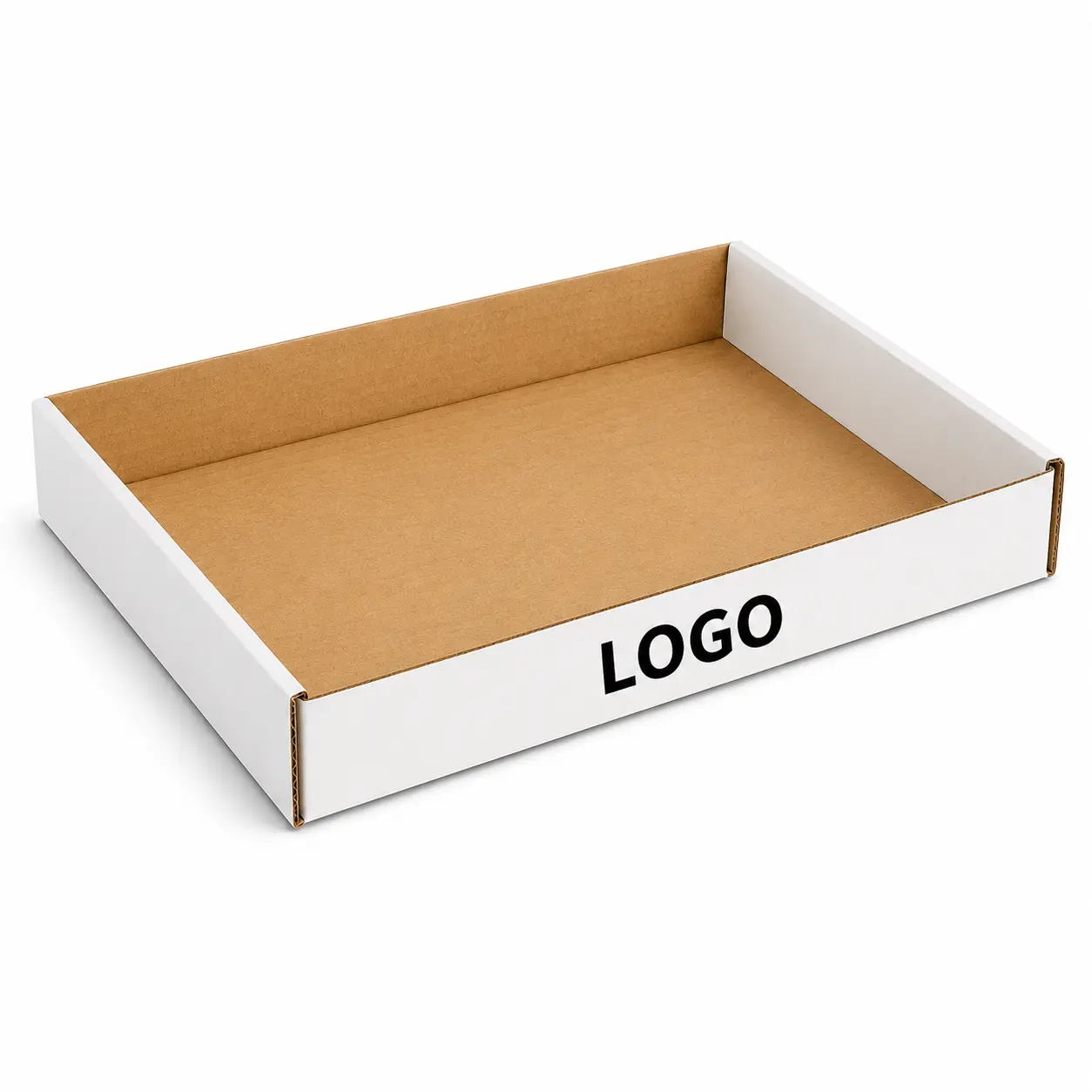
Ten years ago a lot of small American brands shipped in whatever brown box the warehouse had lying around. Now? Even a two-person candle shop in Ohio wants its logo on the lid. Custom packaging in the USA has gone from a nice extra to something most brands just assume they’ll need, partly because it protects the product and partly because, for a lot of online sellers, the box is the only physical thing a customer touches before the product itself. Retail, ecommerce, subscriptions, it doesn’t really matter which, so in this piece we’ll look at why it caught on, what you actually get out of it, and how to pick the right setup.
What is Custom Packaging?
Simple version? We measure your thing, then build the box around it, print it how you like and figure out how it’ll ride in a truck, whereas stock packaging is the 8 x 6 x 4 off the shelf that you cram stuff into and hit with a sticker. If you want the longer explanation, we covered what custom packaging is in its own guide.
Across the US you’ll see it everywhere, from food and beverage to cosmetics, electronics and clothing. You get to choose basically everything: the board, the print, inserts, colors, the logo placement, even a little note printed inside the lid.
The Benefits of Custom Packaging for USA-Based Businesses
1. Branding and Differentiation
Obvious one. Your colors on the porch, and they know it’s you before the tape’s cut, which counts for a lot when somebody has scrolled past forty near-identical serums that week.
We tell people the box is a tiny salesperson that never takes a day off. A smart structure helps, good board helps, and a line of copy that sounds like you helps most. It’s one of the cheaper ways to feel different from the brand next to you on the shelf, and that’s the main reason custom packaging keeps growing here.
2. Improved Customer Experience
Ordering online means the box is the first time you actually meet the customer, kind of, and they’re standing at their kitchen counter with scissors deciding what they think of you. No pressure.
So brands fuss over the unboxing now. The outer mailer, tissue, an insert card, how the product sits when the lid comes up. When it feels considered, customers are happier and more likely to come back, and some of them film it and post it, which is free advertising you didn’t have to pay an influencer for.
3. Product Protection
Pretty doesn’t help if it shows up smashed. UPS and FedEx have their own packing guidance, and honestly a box cut to your product’s real size makes that easy, while a stock box stuffed with crumpled paper is basically a gamble every time it gets tossed off a conveyor.
Say you ship hot sauce in four-packs. Without a divider the bottles clink together the whole way and sooner or later one cracks, while a die-cut tray keeps them apart for pennies a box. A mug, a foam cradle maybe.
4. Sustainability and Eco-Friendly Boxes
More US shoppers care about what happens to the box after. Recycled cardboard, kraft, less plastic, boxes people reuse for storage, all of that is getting more popular. Going with sustainable packaging shows customers you’ve thought about it, and a lot of them do notice.
It can also widen your audience a bit. People like buying from brands that seem to share their values, and a recyclable box with soy-based ink is an easy, visible way to show that (just don’t print green claims you can’t back up).
5. Cost Efficiency
Custom sounds pricier than generic, and per box it sometimes is at first. But a box sized to your product uses less filler and less board, and it often lands in a smaller shipping bracket, which adds up fast if you send hundreds of orders a week. The price per box also drops as your order quantity goes up.
Then there’s damage. Every broken product you don’t have to replace is money back. Over a year that can be the difference between packaging that costs you and packaging that pays for itself. We break down the trade-offs more in custom packaging vs stock packaging.
Custom Packaging Trends in the USA
1. Minimalist and Sleek Designs
Lots of US brands are stripping the design back. One or two colors, clean type, maybe a single foil logo and nothing else. It looks confident, and it’s often cheaper to print, too.
2. Personalization
First names printed on the flap, or a holiday design that only runs for six weeks. We’re doing more of these every year and they’re fun to print.
3. Sustainable and Zero-Waste Packaging
For some shoppers it’s just expected now, so we see brands ditching the plastic window, swapping to kraft and asking for a box sturdy enough that people keep it for cables or photos. Fully zero-waste? Tough for most. Cutting one plastic part is easy though.
4. Interactive Packaging
QR codes came back, oddly. Stick one inside the lid that opens a two-minute setup video and you’ll probably answer fewer “how do I turn this on” emails.
How to Choose the Right Custom Packaging in the USA
First thing we ask on any call is to measure the product, properly, with a ruler, because half the problems we see start with a guessed size. Then weight and how breakable it is.
- Does the box look like your website and your Instagram, or like a template you found?
- Recyclable board and soy ink are cheap wins, we’d do it.
- Open one yourself at the kitchen table. Fiddly? Fix it.
Conclusion
Custom packaging in the USA has turned into one of the main ways brands set themselves apart, keep customers happy and look like they mean business. Personal touches, greener materials and a design that fits the product all add up to something worth more than the cardboard it’s made from. Customer expectations keep creeping up, and for a lot of businesses a plain box just doesn’t cut it anymore.
If you’re thinking about it, The Pioneer Packaging builds custom boxes from scratch for US brands, with free design help, low minimums (often around 50 boxes depending on the style) and free ground shipping anywhere in the country. Production is 10 to 12 business days after you approve the proof.
Keep Reading
Ready to order? Start with custom mailer boxes and product packaging boxes. For more background, read what is the best packaging for luxury candle brands? and best custom mailer boxes for ecommerce in 2026 (what actually works for brands).