Freeze drying pulls almost all the water out of food, which is great, right up until the food meets air again. Then it starts pulling moisture back in, and crisp strawberries turn chewy within days. Mylar bags for freeze dried food are there to stop that happening, by keeping light, air and humidity on the outside.
We see orders from home freeze dryer owners who’ve started selling, small candy shops doing freeze dried treats, outdoor and emergency food brands, and pet food makers. Same issue each time: the product is only as good as the seal around it.
Mylar Bags for Freeze Dried Food: Why Barrier Matters
A mylar bag is a laminate, usually a polyester outer layer, an aluminum foil or metallized layer, and a sealant layer inside. Foil’s the bit that counts. Light fades the color of your strawberries and chews up nutrients over time, and the foil stops that, plus it slows oxygen and moisture creeping in through the walls. Clear plastic bags just don’t do that.
Thickness matters too. Thicker bags resist punctures from sharp pieces (freeze dried corn and pasta can be surprisingly pointy) and hold their barrier better over time. For long term storage, most people pick a heavier gauge. For snack packs that’ll be eaten in a few weeks, a lighter bag with a zipper is usually fine. Our mylar bag guide explains thickness and sizes in more depth.
What Size Bag? Snack Packs, Meals and Bulk
Here’s the funny part. A bag that fits a pound of rice might take only a few ounces of freeze dried strawberries, since the stuff weighs nothing but takes up loads of room, so we size by volume and pretty much ignore weight. And leave an inch or two empty up top. You need a flat clean strip there to seal.
Common setups we make:
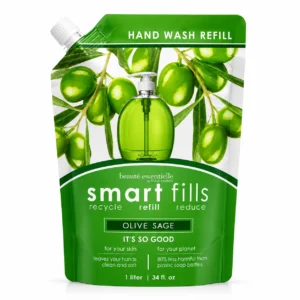
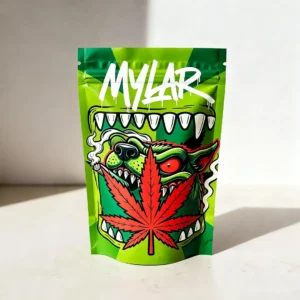
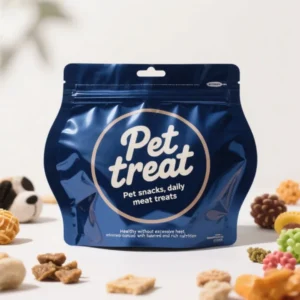
- Small stand up pouches with zippers for candy and fruit snacks
- Flat pouches for single meal portions
- Larger gusseted bags for family size or bulk storage
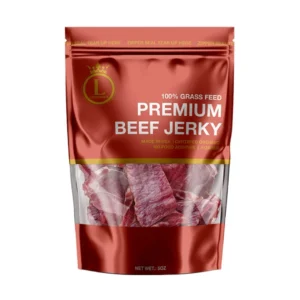
- Window bags so buyers can see the color of the fruit
For grains and dry staples, take a look at our mylar bags for rice storage, which use a similar build in a different shape.
Sealing, Oxygen Absorbers and Zippers
Heat sealing is what makes the bag airtight. A simple impulse sealer or even a clothes iron on a flat edge will do it for small batches. If you’re storing food for the long haul, drop an oxygen absorber in before sealing; it soaks up the leftover oxygen in the bag. A good seal usually makes the bag pull in slightly within a day or so.
Zippers are handy for products people open and snack on, but a zipper alone isn’t airtight. That’s why most freeze dried bags have a heat seal above the zipper. The customer tears it off along the notch, then uses the zipper for everyday closing. If you only need a one time seal, our heat sealable mylar bags are the simpler option.
Printing goes edge to edge, with matte, gloss or holographic finishes. Our team handles the design setup for free and sends a digital proof. Minimums are low, often around 50 depending on the style, with free ground shipping in the USA. More styles are in the mylar and zipper bags range.
Mylar Bags for Freeze Dried Food FAQs
Do I need oxygen absorbers in every bag?
For long storage, yes, it’s the usual practice. For snack bags that sell and get eaten quickly, many brands skip them and rely on the seal.
Can I see the product through the bag?
You can add a window, but it lets some light in. For candy and fruit with a short shelf life it’s often worth it; for long storage, stick with a fully foil bag.
What thickness is best for sharp freeze dried pieces?
Go heavier. Tell us what’s going in (pasta? corn?) and we’ll point you at a gauge.
You May Also Need
Building a full product line? Take a look at heat sealable mylar bags, food mylar bags, custom spout pouches and flat bottom pouch with zipper. Everything in this range is listed under mylar and zipper bags. Not sure about size? Read mylar bag types and sizes.