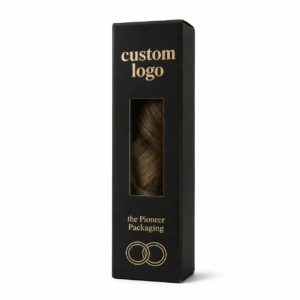
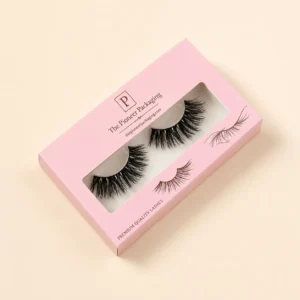
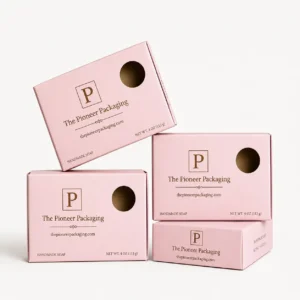
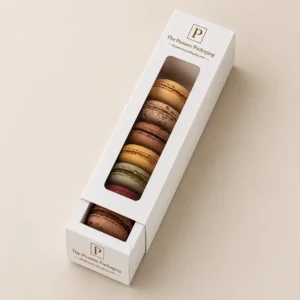
A customer looking at a pair of socks wants to know the color and pattern. Someone buying a folded T-shirt may want to see the fabric and design. A customer choosing an apparel gift set wants to know what is inside before opening it.
That is the purpose of
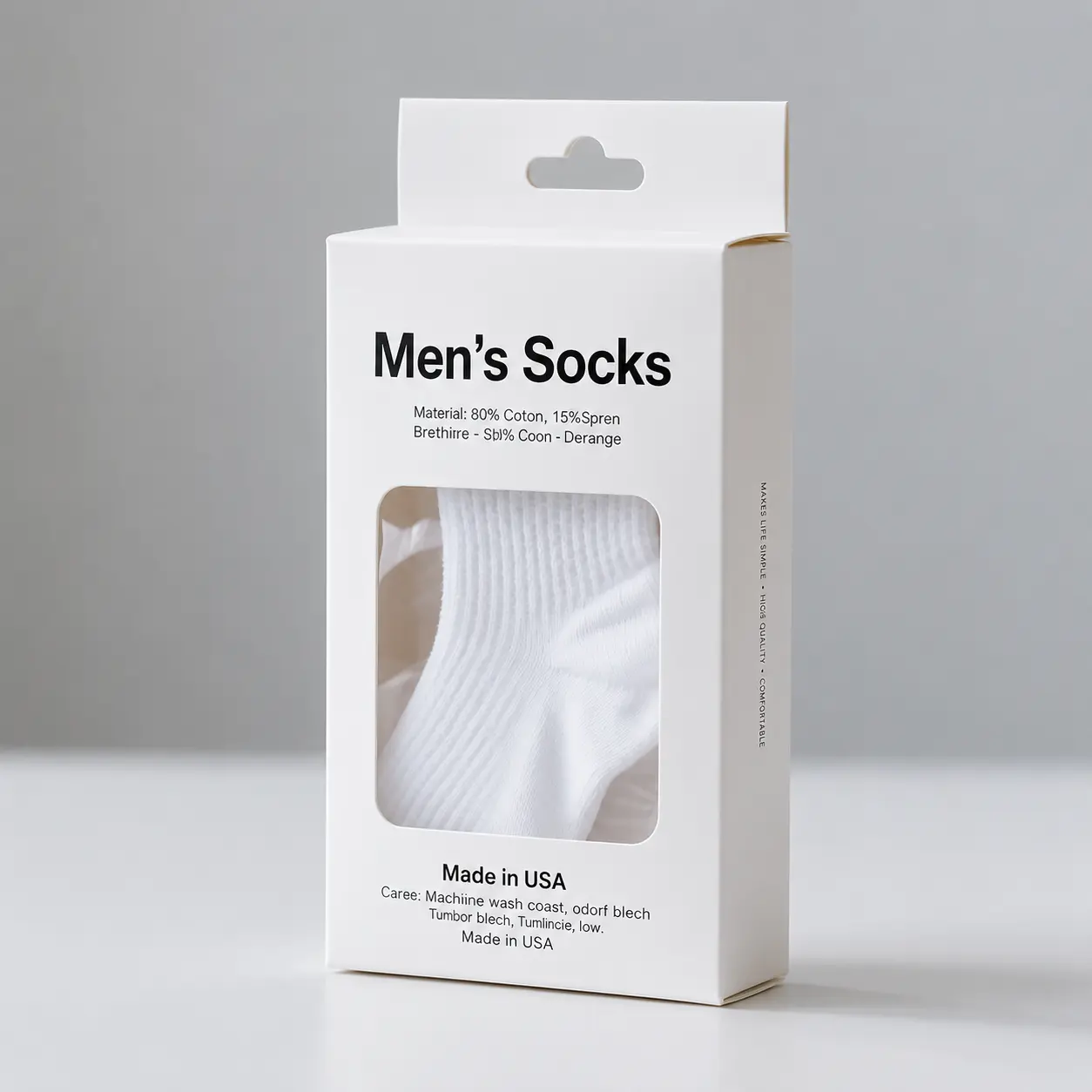
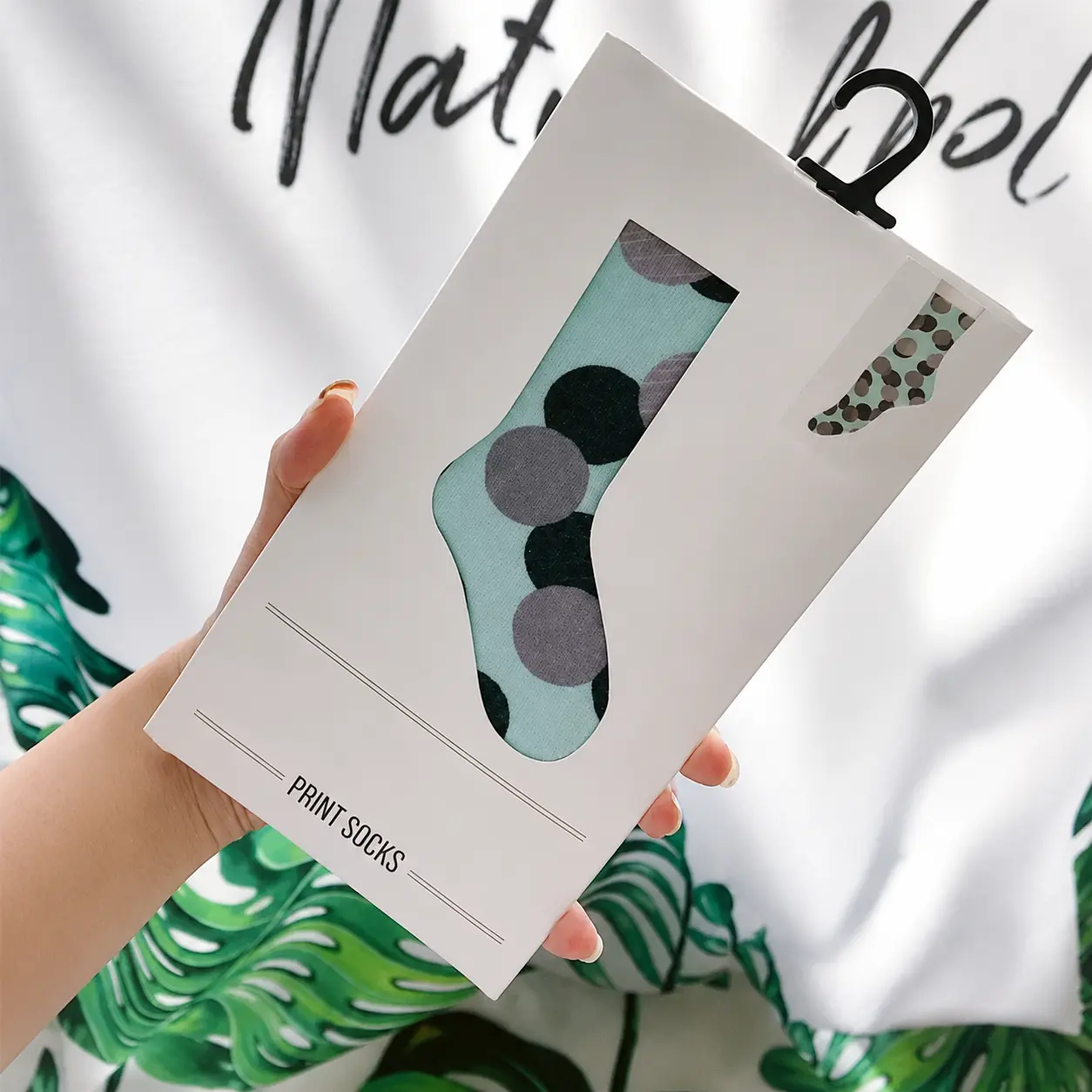
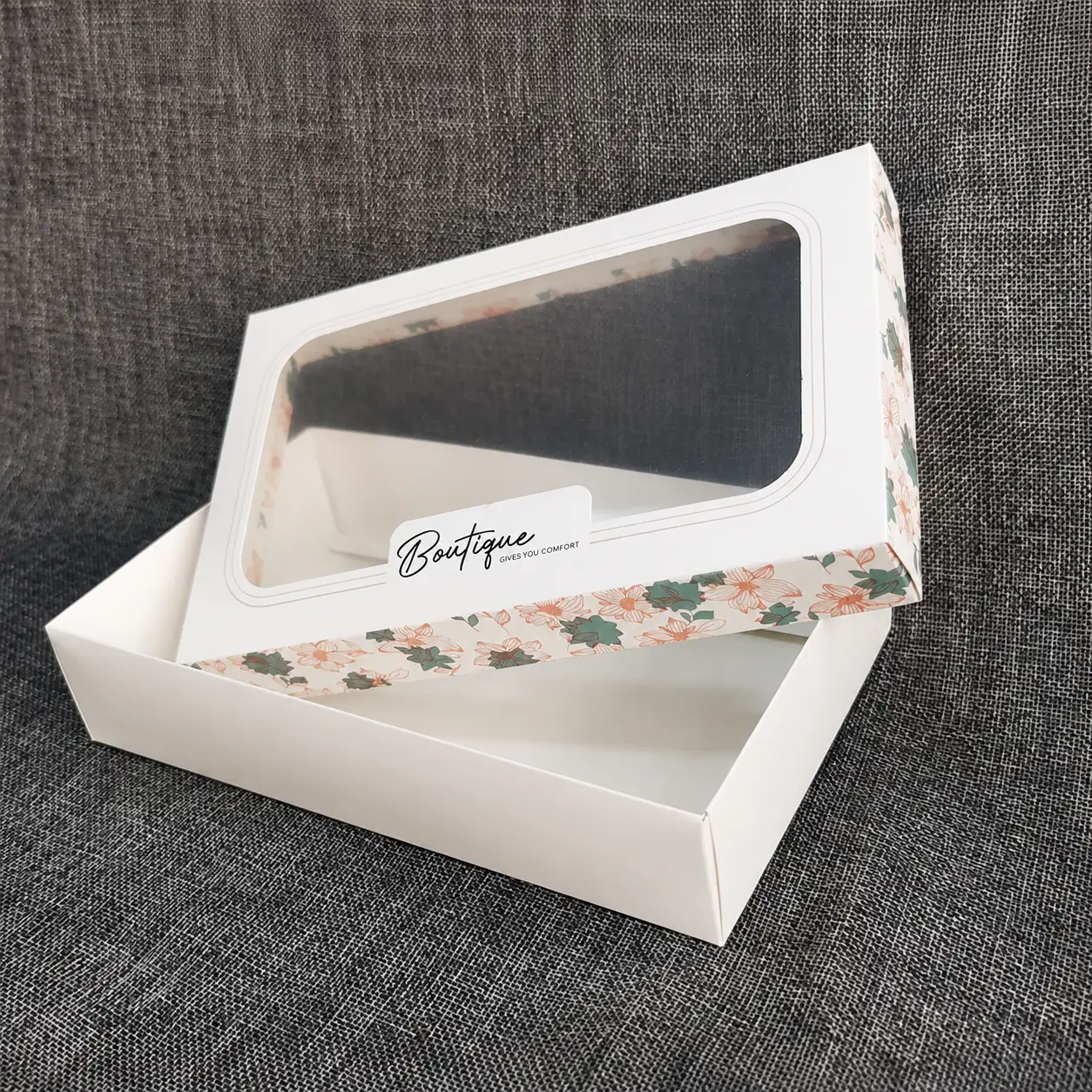
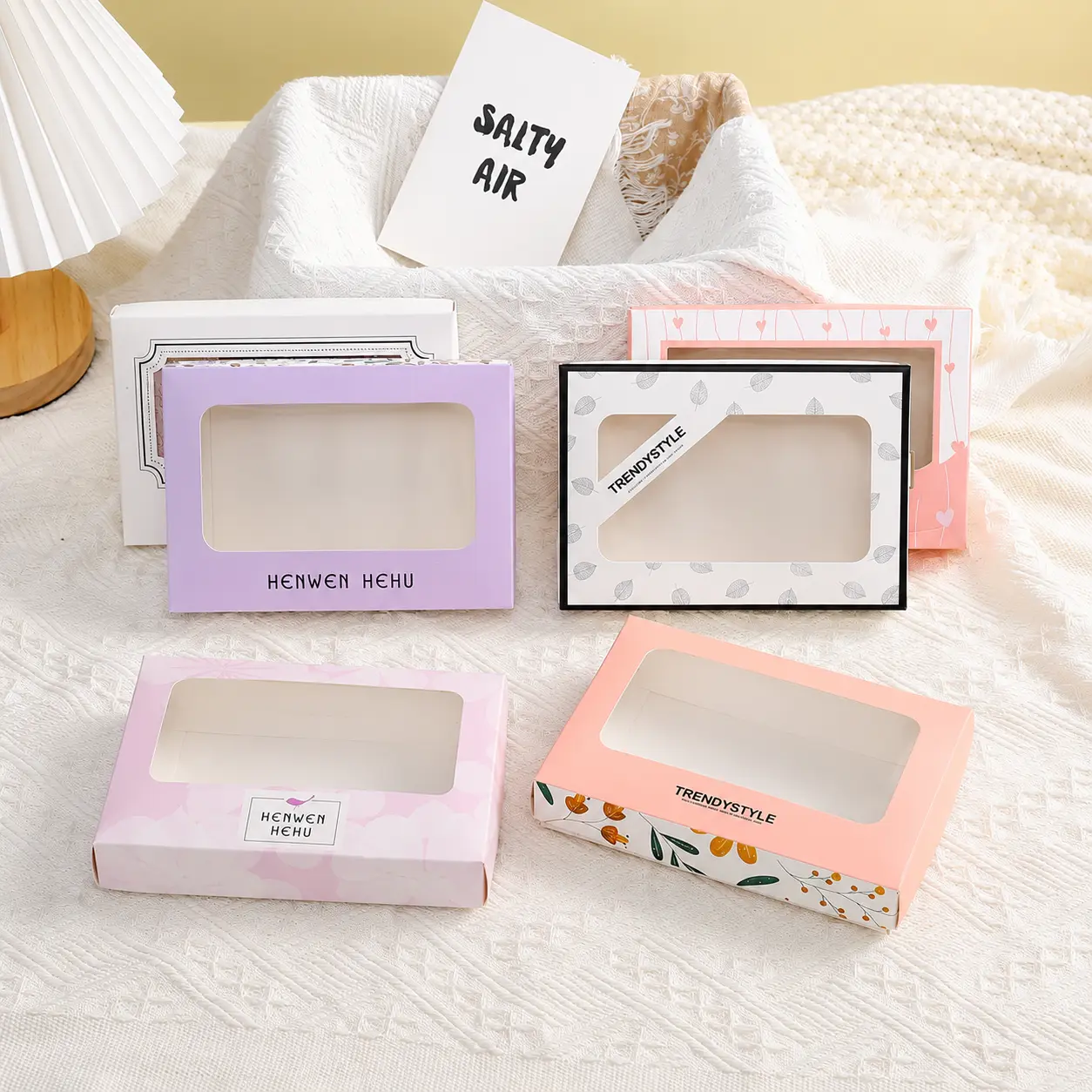
Socks & Apparel Window Boxes. Instead of completely hiding the clothing, these boxes use a clear viewing area to put the product itself in front of the customer.
We make these boxes around the apparel you are actually selling, including its folded size, quantity, presentation, and the way you want it displayed.
Your Product Is Part of the Front Design
With ordinary printed packaging, the customer sees the artwork first.
With a window box, the product can become part of that artwork.
A patterned sock can provide the color for the front of the package. A folded shirt can show its graphic or fabric. A set of accessories can be arranged so the customer sees the complete collection through one opening.
The window can be positioned and sized around the part of the product you want to feature. This gives you more control over what customers see without exposing the entire package.
Packaging for the Way Apparel Is Folded
The finished box starts with your product dimensions.
Tell us what you are packing, how it is folded, how many pieces go inside, and how you want those pieces arranged. From there, the box can be developed to provide an appropriate internal fit.
A compact sock package can remain small and easy to handle. A T-shirt box can provide a broader presentation area. A multi-piece apparel set can use additional internal space to keep the contents together.
The result is packaging designed around the actual product rather than a generic carton.
When Customers Need to Compare
Apparel is often available in several colors, patterns, sizes, and collections.
A window makes comparison easier because customers can identify the product without opening the package. The printed area can carry the information that distinguishes one version from another, while the transparent section shows the physical product.
For retailers, this can make a collection easier to browse. For your own ecommerce packaging, it also gives the customer a clear connection between the package they ordered and the product inside.
Choose the Opening That Fits the Product
There is no single window design for every apparel package.
A long opening can work naturally with socks or folded accessories. A wider viewing area can expose more of a folded T-shirt. A shaped window can reveal a particular section of the product while leaving additional room for graphics and branding.
The box can also be designed with different opening and closure configurations depending on how you want customers to access the apparel.
The window is therefore part of the box structure, not simply an extra feature added at the end.
From Everyday Socks to Branded Collections
The same packaging concept can be developed for very different apparel products.
You may need straightforward packaging for everyday socks, coordinated packaging for a seasonal collection, or a more substantial presentation for premium fashion products.
These boxes can be produced for:
- Socks and hosiery
- T-shirts
- Undergarments
- Baby clothing
- Scarves
- Small fashion accessories
- Sportswear
- Apparel gift sets
Different products can have different dimensions while maintaining the same visual language across your range.
What the Customer Sees After Picking It Up
Packaging has to work from more than one angle.
The front window attracts attention, but the remaining panels can answer practical questions. Product names, sizes, color information, care instructions, barcodes, website details, and brand messaging can be placed where customers can find them easily.
The back and side panels can therefore carry useful information without taking attention away from the apparel visible through the front.
This creates a package that works as both a product holder and an information point.
Retail Shelf or Delivery Box?
Where your apparel goes after production can influence the construction.
If the box is going directly onto a retail shelf, its dimensions and front-facing presentation can be planned around shelf visibility. If it will travel through ecommerce fulfillment, the construction can be selected with handling and transportation in mind.
For boutiques and gift collections, the presentation may take priority. For high-volume everyday apparel, practical handling and efficient packing may be more important.
We can develop the box according to the selling environment instead of treating every application the same way.
Build a Packaging Range, Not Just One Box
If your business has multiple apparel products, we can keep the packaging family consistent while changing the box around each product.
Your sock collection might use smaller boxes, while shirts and accessories use larger formats. Colors, logos, typography, and artwork can remain connected across the range.
This gives customers a recognizable packaging experience even when they are purchasing different products from your brand.
Make the Box Feel Like Your Brand
Once the structure is right, the surface becomes your branding space.
You can use full-color artwork, simple typography, product photography, patterns, or a minimal design depending on your brand identity. Printing can be combined with finishes such as matte, gloss, soft touch, foil, embossing, debossing, or Spot UV where they make sense for the design.
The idea is to create packaging that looks intentional rather than simply putting a logo on a standard box.
Made Around Your Apparel
There is no need to compromise the way your products are presented just to fit an available packaging size.
The Pioneer Packaging produces
custom Socks & Apparel Window Boxes around your product dimensions, folding method, window requirements, branding, and selling environment. Whether you need packaging for a new sock collection, folded clothing, accessories, or apparel gift sets, we can develop the box around what you need to put inside it.
Your apparel should be visible, properly presented, and packaged in a way that represents your brand from the first glance.