

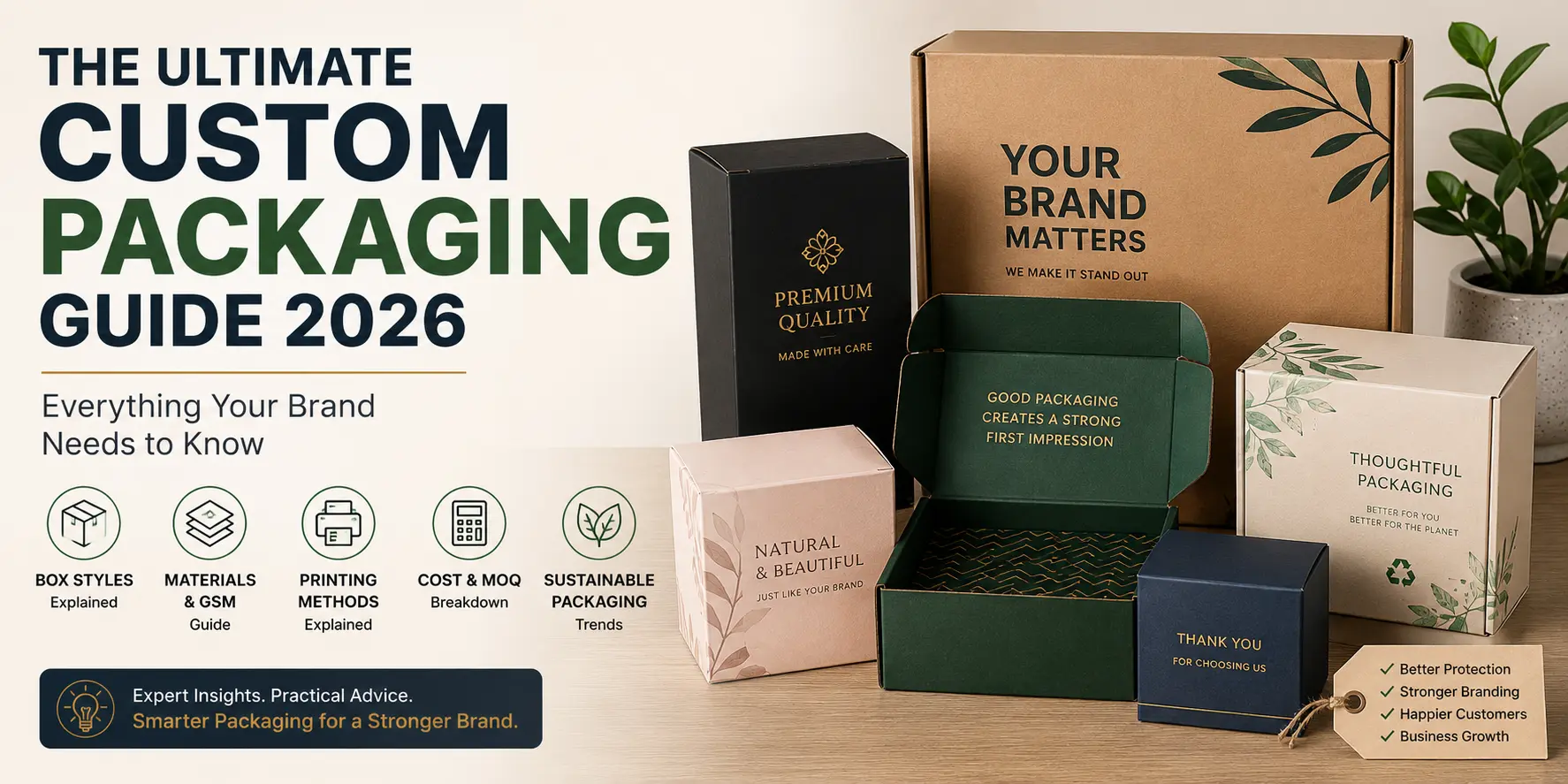
Custom packaging has evolved from a simple protective layer into one of the most powerful branding tools available to modern businesses. Whether you operate an ecommerce store, launch subscription boxes, sell cosmetics, manufacture food products, or run a retail brand, packaging influences how customers perceive your products. The quality, design, materials, and presentation of a package can determine whether a customer remembers your brand or forgets it entirely. In today’s competitive marketplace, businesses that invest in strategic packaging often achieve stronger customer loyalty, higher perceived value, and increased sales.
Understanding Custom Packaging
Custom packaging refers to packaging specifically designed for a brand, product, or business requirement. Unlike generic stock boxes, custom packaging allows businesses to select the exact dimensions, materials, printing methods, finishes, and structural designs that best represent their products. This level of customization helps brands create a consistent identity while ensuring products remain protected throughout storage, shipping, and retail display.
As consumer expectations continue to rise, packaging has become an important part of the overall customer experience. Customers no longer judge products solely by what is inside the box. They also evaluate the appearance, feel, and quality of the packaging itself.
Choosing the Right Packaging Style
Selecting the right packaging style depends on the nature of the product, the target audience, and the intended sales channel. Folding cartons remain one of the most popular choices for cosmetics, pharmaceuticals, supplements, and retail products because they are lightweight, cost-effective, and highly customizable. Mailer boxes have become increasingly popular among ecommerce brands due to their durability and premium unboxing experience. Luxury rigid boxes are commonly used for jewelry, electronics, and premium gift products because they create a sense of exclusivity and sophistication.
The packaging style should always complement the product rather than simply contain it. A luxury skincare product, for example, may lose perceived value if packaged in a basic folding carton, while a simple shipping product may not require expensive rigid packaging.
Understanding GSM and Packaging Materials
One of the most important factors in packaging quality is material selection. GSM, which stands for grams per square meter, measures the weight and thickness of paperboard materials. Lower GSM materials are suitable for lightweight applications, while higher GSM materials provide greater rigidity and durability.
Most retail packaging utilizes paperboard ranging between 250 GSM and 350 GSM. Premium cosmetic and luxury packaging often uses thicker materials to create a more substantial feel. Rigid boxes typically incorporate dense greyboard structures wrapped in printed paper, resulting in significantly stronger packaging.
Material selection should balance durability, aesthetics, and budget considerations. Choosing the correct material ensures products remain protected while maintaining an attractive appearance.
Printing Methods and Their Impact
Printing plays a major role in packaging presentation. Modern packaging can incorporate a variety of printing methods, including digital printing, offset printing, flexographic printing, and specialty techniques such as foil stamping and embossing.
Offset printing remains one of the most widely used methods because it delivers exceptional color accuracy and consistency. Digital printing offers flexibility for shorter production runs and personalized packaging designs. Businesses seeking premium packaging often combine printing with specialty finishes such as soft-touch lamination, spot UV coating, embossing, debossing, and metallic foiling.
These enhancements not only improve visual appeal but also create tactile experiences that increase perceived product value.
Understanding Packaging Costs
Packaging costs vary based on numerous factors, including box dimensions, materials, printing requirements, finishing options, and order quantities. One of the most important principles in custom packaging is economies of scale. As order quantities increase, the cost per unit typically decreases significantly.
Many new businesses focus exclusively on the initial investment without considering long-term cost savings. While smaller quantities may require lower upfront spending, larger production runs often provide much better value over time. Understanding packaging costs before ordering allows businesses to make informed decisions that align with their growth strategies. You can get instant prices by using our cost calculator.
The Importance of MOQ
Minimum Order Quantity, commonly referred to as MOQ, is another important concept in custom packaging. Most packaging manufacturers establish minimum quantities because production setup costs remain relatively fixed regardless of order size.
For startups and small businesses, low MOQ packaging options can reduce financial risk during product launches. As businesses grow and demand increases, larger orders often become more cost-effective and profitable.
Understanding MOQ requirements helps businesses plan inventory levels, manage budgets, and avoid unnecessary production expenses.
Sustainable Packaging Trends
Sustainability has become one of the most influential trends in the packaging industry. Consumers increasingly prefer brands that demonstrate environmental responsibility through eco-friendly packaging solutions.
Many businesses now utilize recyclable materials, kraft paperboard, recycled content, biodegradable coatings, and environmentally friendly inks. Sustainable packaging not only reduces environmental impact but also strengthens brand reputation among environmentally conscious consumers.
As regulations and consumer expectations continue to evolve, sustainability is expected to remain a key consideration for businesses across virtually every industry.
Common Packaging Mistakes to Avoid
Many businesses underestimate the importance of packaging planning. Common mistakes include selecting incorrect dimensions, choosing materials that are too thin, submitting low-resolution artwork, ignoring shipping requirements, and rushing production schedules.
These errors often result in damaged products, increased costs, delayed launches, and poor customer experiences. Investing time in proper packaging development can prevent costly issues and improve overall business performance.
Conclusion
Custom packaging is far more than a protective container. It serves as a marketing tool, a branding asset, and an important part of the customer journey. Businesses that understand packaging materials, printing methods, structural design, costs, and sustainability are better positioned to create packaging that supports long-term growth.
Whether you are launching your first product or scaling an established brand, investing in high-quality custom packaging can improve customer perception, strengthen brand recognition, and contribute directly to business success.
Frequently Asked Questions
What Is Custom Packaging?
Custom packaging refers to packaging that is specifically designed and manufactured according to a brand’s requirements. Businesses can customize box dimensions, materials, printing, finishes, and structural styles to create packaging that reflects their brand identity while protecting their products.
Why Is Custom Packaging Important for Businesses?
Custom packaging helps businesses improve brand recognition, enhance customer experience, increase perceived product value, and differentiate products from competitors. High-quality packaging can also improve customer retention and encourage repeat purchases.
What Materials Are Commonly Used for Custom Packaging?
Custom packaging is commonly manufactured using cardboard, corrugated board, kraft paper, rigid board, and paperboard materials. The choice of material depends on product weight, protection requirements, budget, and branding goals.
What Is GSM in Packaging?
GSM stands for Grams per Square Meter and measures the thickness and weight of paper or paperboard materials. Higher GSM materials generally provide greater durability and a more premium feel, making them suitable for luxury and retail packaging applications.
What Is the Difference Between Corrugated Boxes and Cardboard Boxes?
Corrugated boxes contain a fluted layer between liner boards, making them stronger and more durable for shipping and transportation. Cardboard boxes are typically used for retail packaging and product presentation where heavy-duty protection is not required.
What Printing Options Are Available for Custom Packaging?
Custom packaging can be printed using digital printing, offset printing, flexographic printing, and specialty printing techniques. Additional finishing options such as foil stamping, embossing, debossing, spot UV, matte lamination, and gloss lamination can further enhance packaging appearance.
How Much Does Custom Packaging Cost?
The cost of custom packaging depends on several factors, including box dimensions, material selection, printing requirements, finishing options, and order quantity. Larger production runs generally reduce the per-unit cost and provide better value for businesses.
What Is MOQ in Custom Packaging?
MOQ stands for Minimum Order Quantity. It refers to the smallest number of boxes a manufacturer is willing to produce in a single order. MOQ requirements vary depending on the packaging style, printing process, and manufacturing setup.
How Long Does It Take to Produce Custom Packaging?
Production times vary depending on project complexity and order size. Most custom packaging orders are completed within a few business days after artwork approval, while more complex packaging with specialty finishes may require additional production time.
Is Eco-Friendly Custom Packaging Available?
Yes. Many packaging manufacturers offer sustainable options such as recyclable materials, kraft packaging, FSC-certified paperboard, biodegradable coatings, and soy-based inks. Eco-friendly packaging helps businesses reduce environmental impact while appealing to environmentally conscious consumers.
How Do I Choose the Right Packaging Style for My Product?
The right packaging style depends on product dimensions, weight, shipping requirements, target audience, and branding objectives. Retail products often use folding cartons, ecommerce businesses prefer mailer boxes, and luxury brands frequently choose rigid packaging for a premium presentation.
Can Small Businesses Order Custom Packaging?
Yes. Many packaging companies offer low minimum order quantities and flexible production options specifically designed for startups and small businesses. This allows brands to access professional packaging without making a large initial investment.