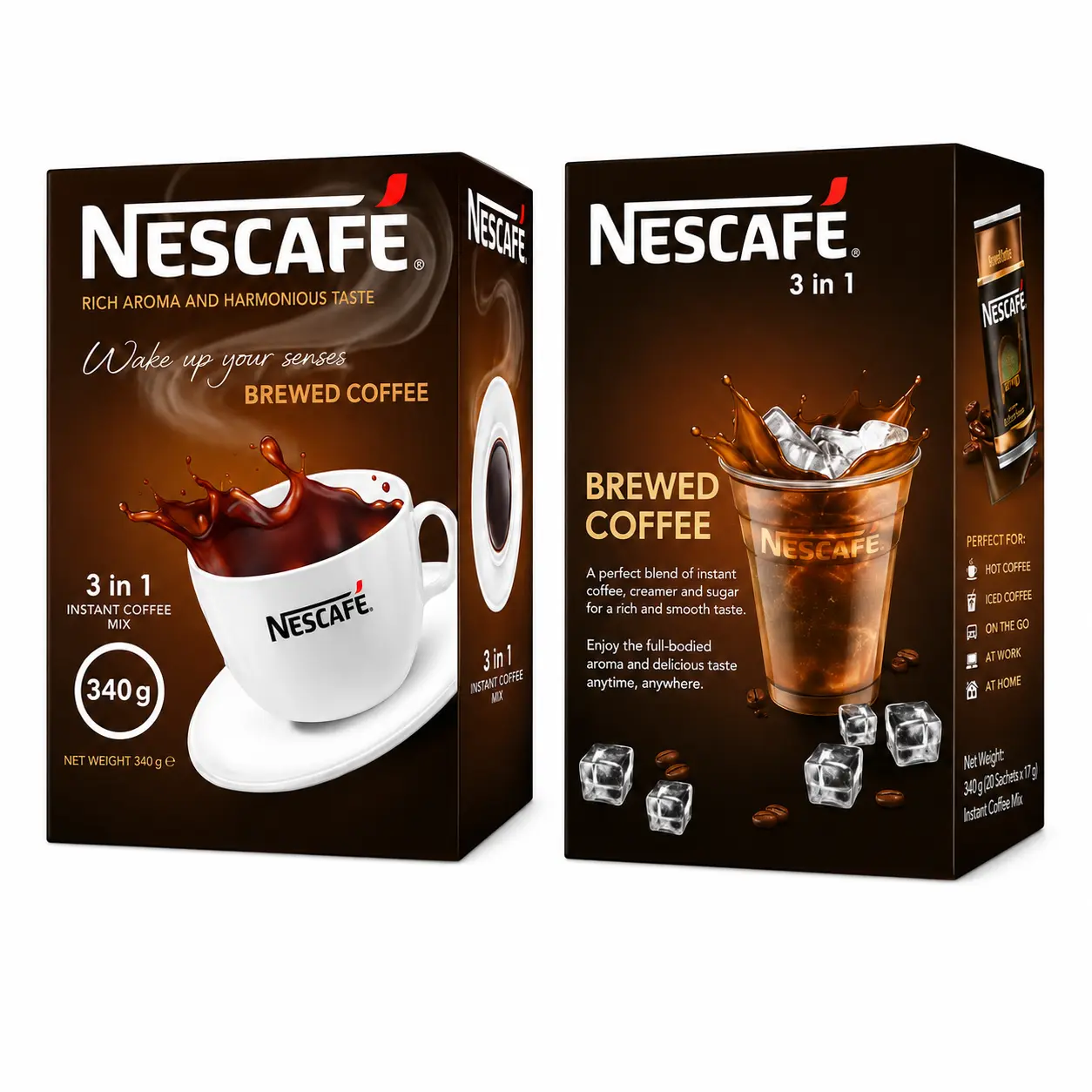
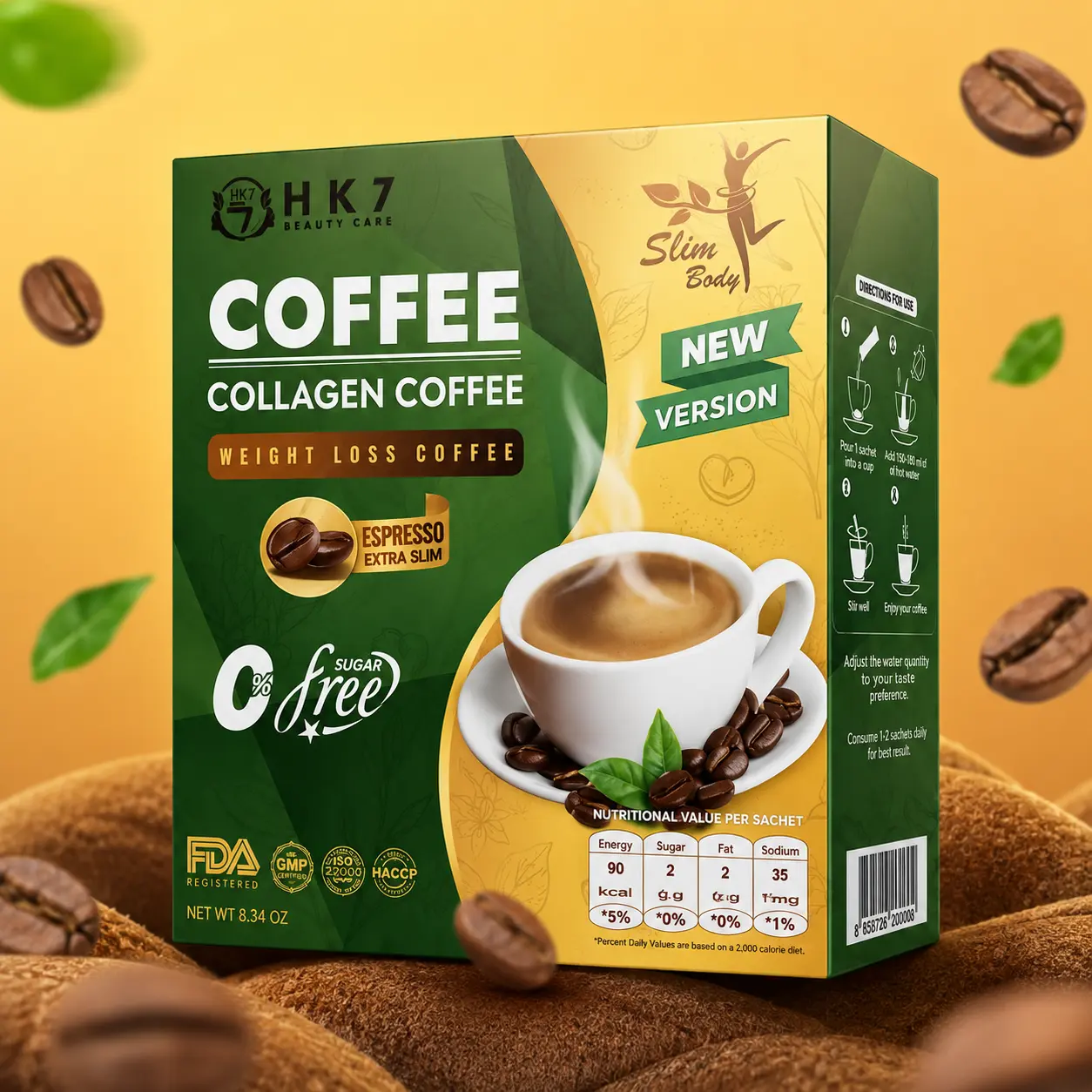
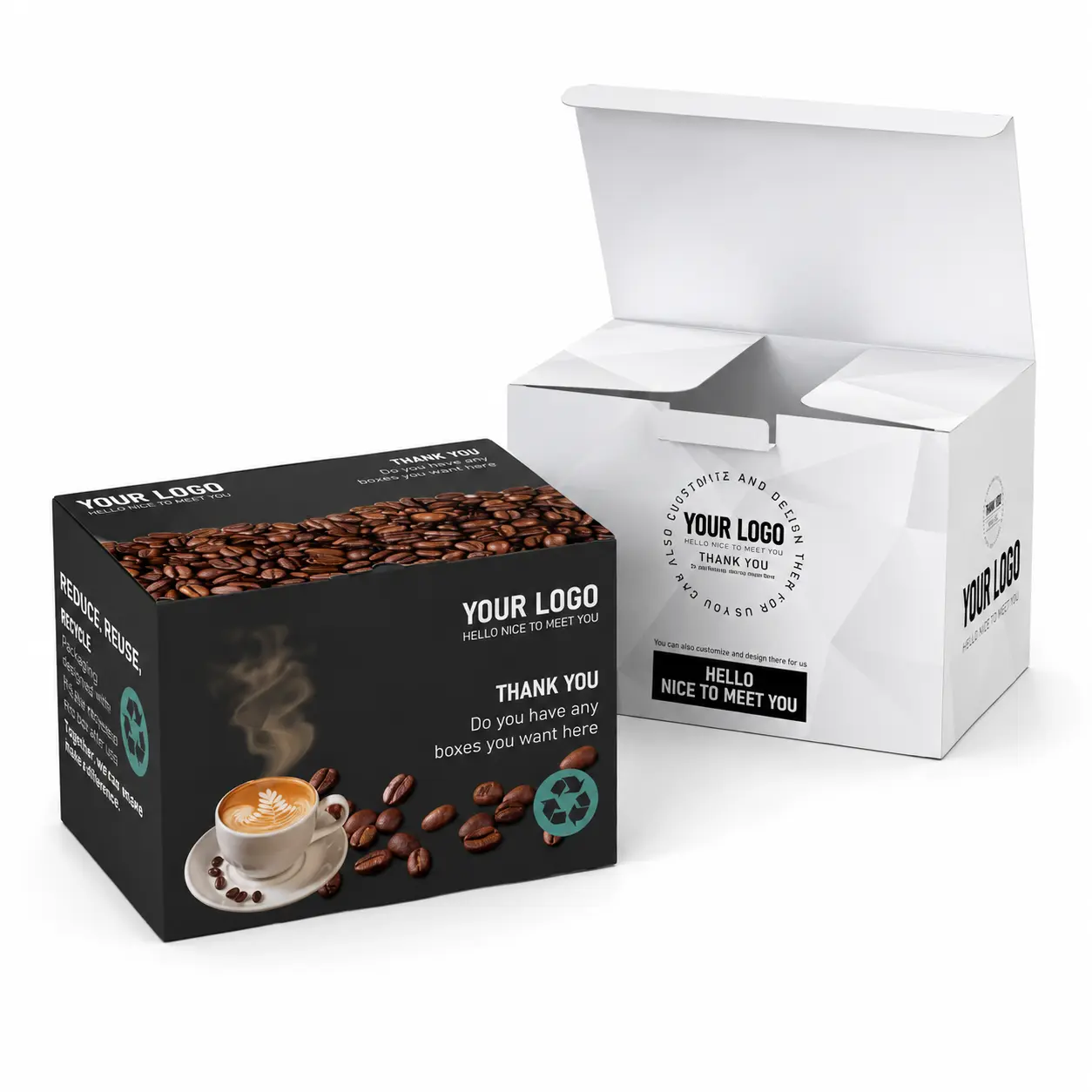
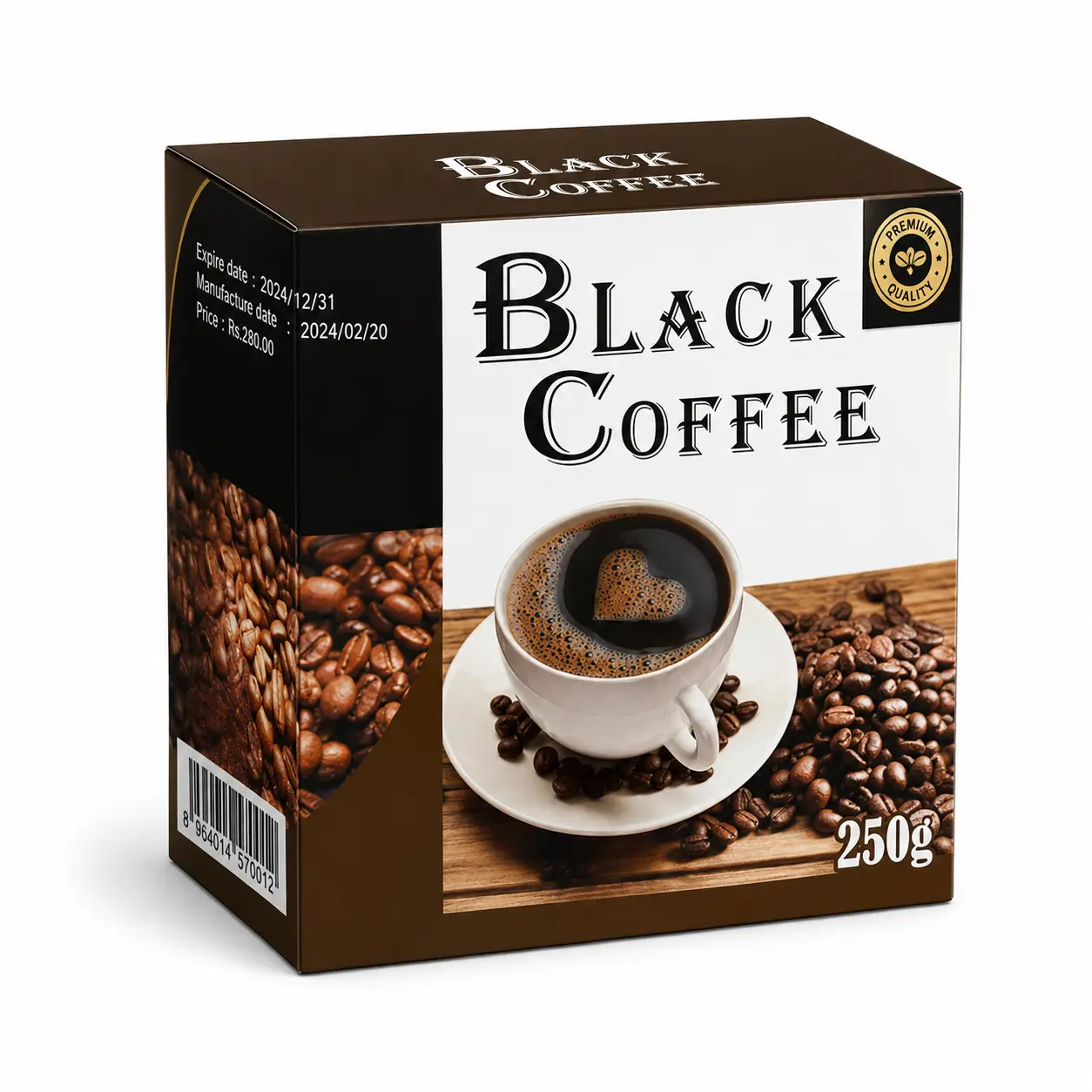
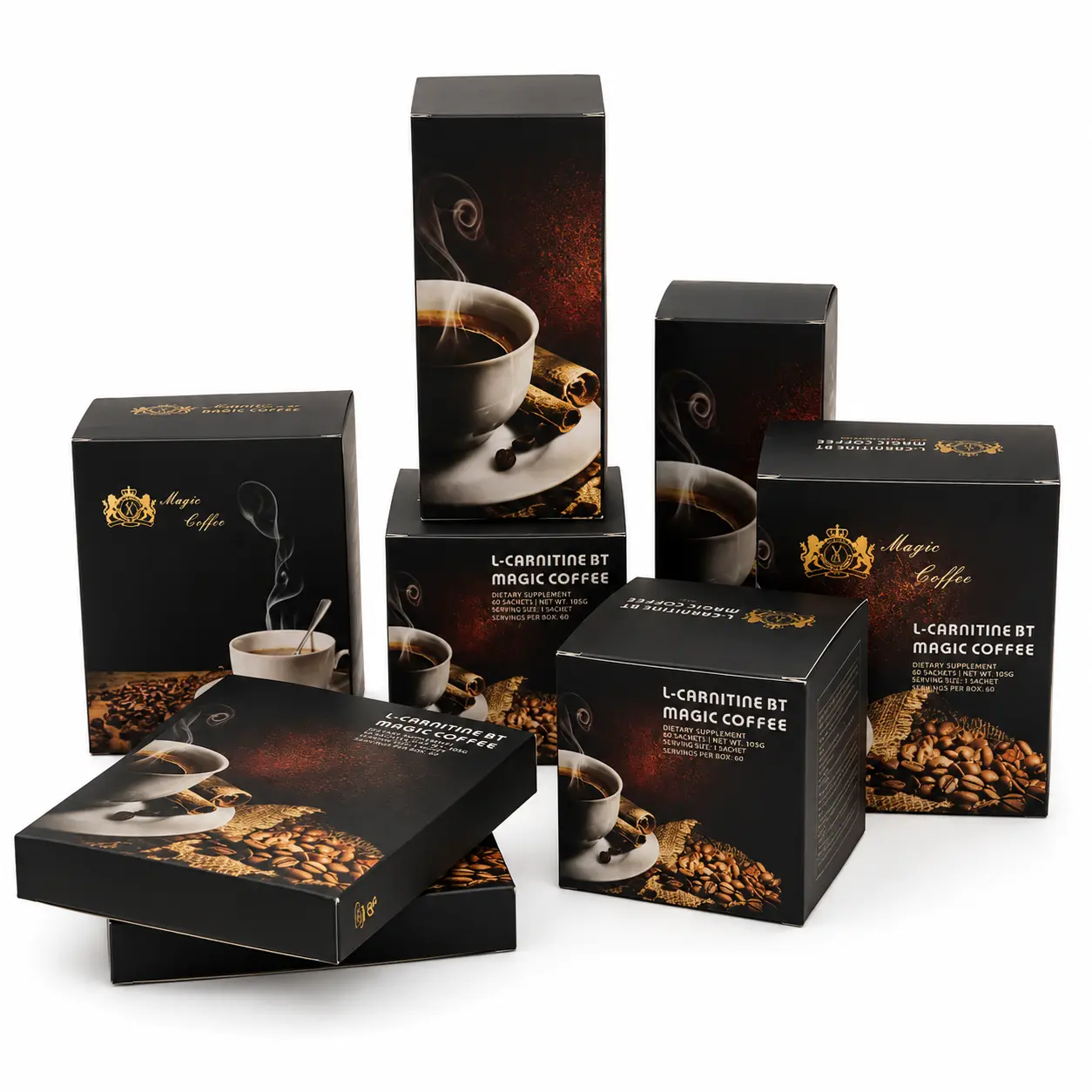
Let’s get this out of the way. Custom coffee boxes don’t keep beans fresh, the foil-lined pouch with the one-way valve does, and no carton is going to replace that. So why bother? Because the box is what sits on the shelf, takes the knocks in the mail, and tells someone across the café that this is a washed Ethiopian roasted last Tuesday, which is the bit roasters and subscription brands really care about.
Small-batch roasters are most of our coffee work. Then cafés with a retail shelf, and the odd company putting gift sets together for December. They all want the coffee to look as carefully made as it tastes.
Custom Coffee Boxes for Bagged Beans and Grounds
Measure the bag full. A 12 oz stand-up bag of whole beans is a lot plumper than 12 oz of ground, and the empty bag tells you nothing. We size the carton a touch bigger so the bag drops in and stands up, because if you have to squash it, the valve gets pressed and you’re pushing aroma out of the bag (the exact opposite of the point).
Tuck end boxes are what most roasters order. Some go for a sleeve that slides over the bag, cheaper, and the pouch still shows. Doing pods? Our coffee pod boxes have dividers inside.
Printing Roast, Origin and Tasting Notes
Coffee people read the box. Properly read it. Origin, process, roast level, the notes, and a lot of them flip it looking for the roast date, so we’d put the coffee name and roast level on the front and save a side panel for something like “dark chocolate, cherry, brown sugar”. Brew tips on the back? Nice touch for the new customer who just bought their first grinder.
Hand-stamping the roast date? Leave a blank box for it, or for a lot number sticker, and then one printed carton works for every batch, which is a lifesaver when you’re swapping single origins every few weeks.
Coffee Packaging Materials and Finishes
Kraft wins for coffee, it’s not even close. It’s got that earthy, made-in-a-back-room feel and one or two ink colors look great on it. If your art is a detailed illustration or loud colors, we’d switch to white SBS paperboard. Matte lamination keeps a carton from looking scruffy after a month on a busy café counter, and a gold foil logo or an embossed mark gives it a bit of craft.
Gift sets are usually rigid board with an insert, say two bags and a mug, or two bags and a drip filter. Sell loose tea as well? Our tea packaging can match. We use soy-based and water-based inks and most kraft boxes are recyclable.
Ordering Boxes for Your Roastery
Minimums are low, often around 50 boxes depending on the style, so trying out a seasonal design won’t fill your storeroom. The more you order, the cheaper each box gets. Our team does the dieline and artwork setup for free, checks your files and sends a digital proof, and if you want to try the fit with your actual bag first, just ask for a physical sample.
Production’s 10 to 12 business days after you okay the proof. Ground shipping anywhere in the USA is free. Working out a budget? Our piece on how much custom boxes cost helps, and there’s more in the food and beverage packaging range.
Custom Coffee Boxes FAQs
Does a box keep coffee fresh?
Not by itself, no. The valved bag does that. The box keeps light and bumps off the bag and gives you somewhere to put your branding.
Can one box size fit both 12 oz and 1 lb bags?
It can, but a 12 oz bag kind of slumps over in a 1 lb box. We’d do two sizes, they look tidier on the shelf.
Can I print a different origin on each run?
Sure. Lots of roasters keep one base design and swap a small origin panel each run, or leave that spot blank for a label.
Related Packaging
Brands ordering these often look at tea packaging boxes & bag, custom milk carton, custom beer boxes and custom coffee pod boxes as well. You can see the full range in food and beverage.