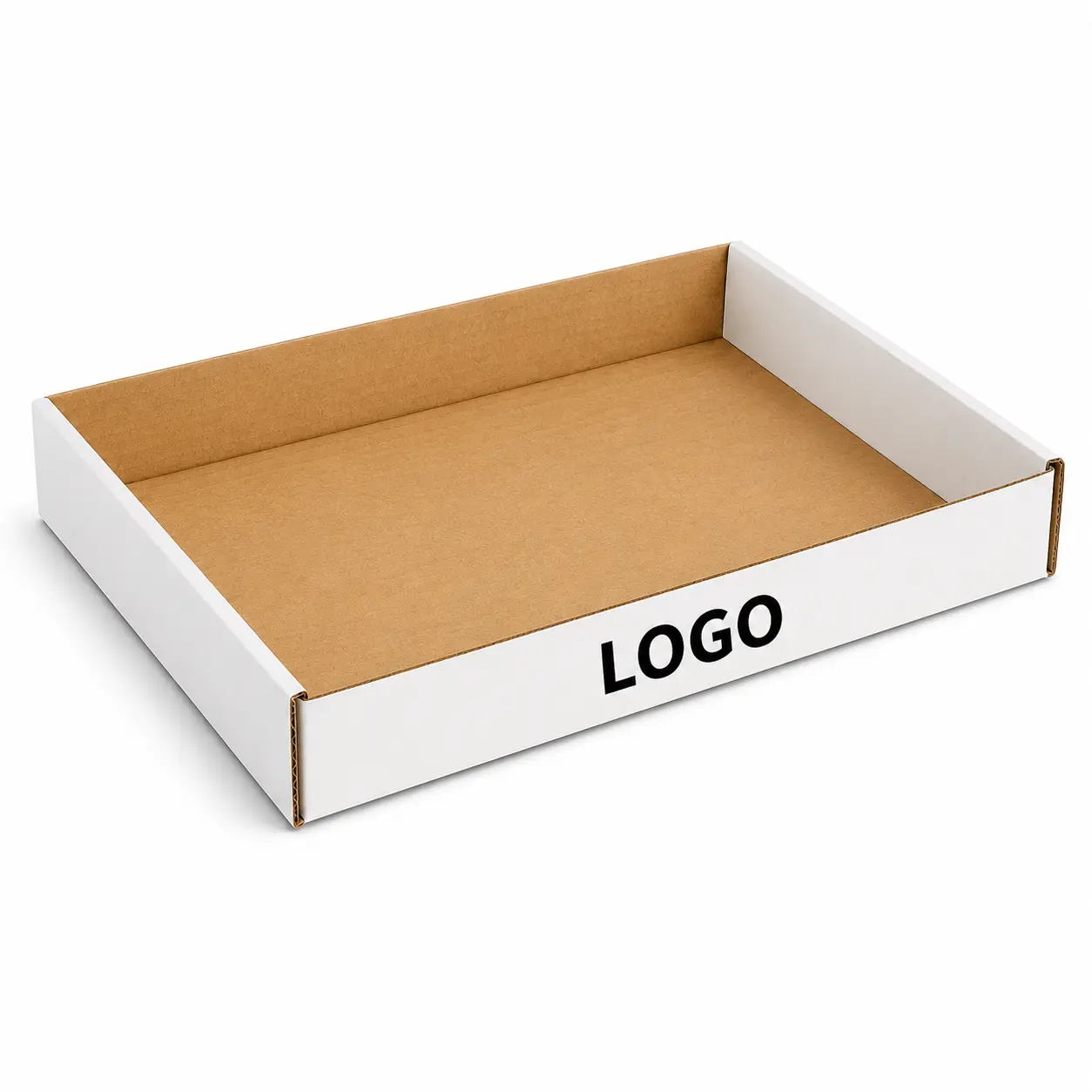
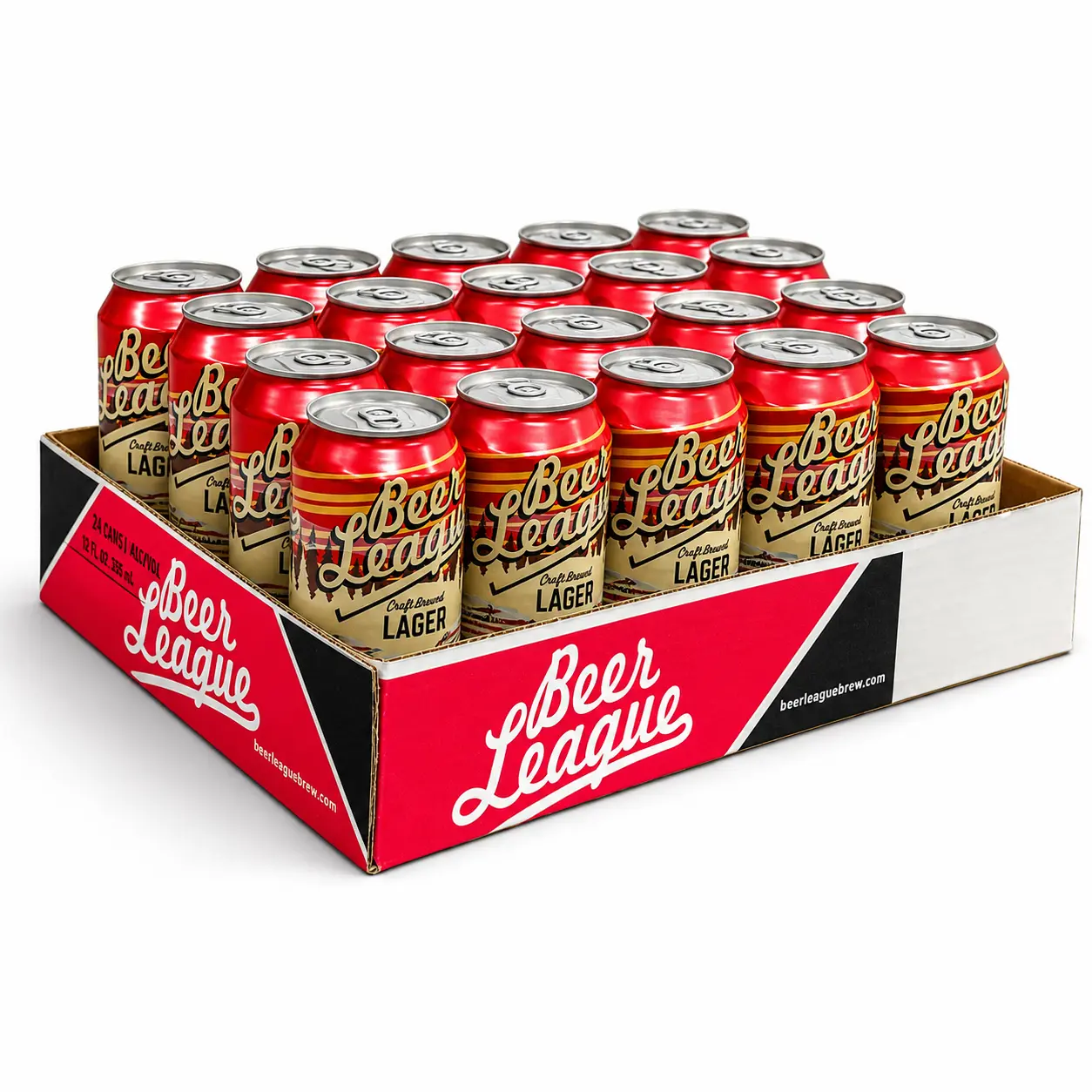
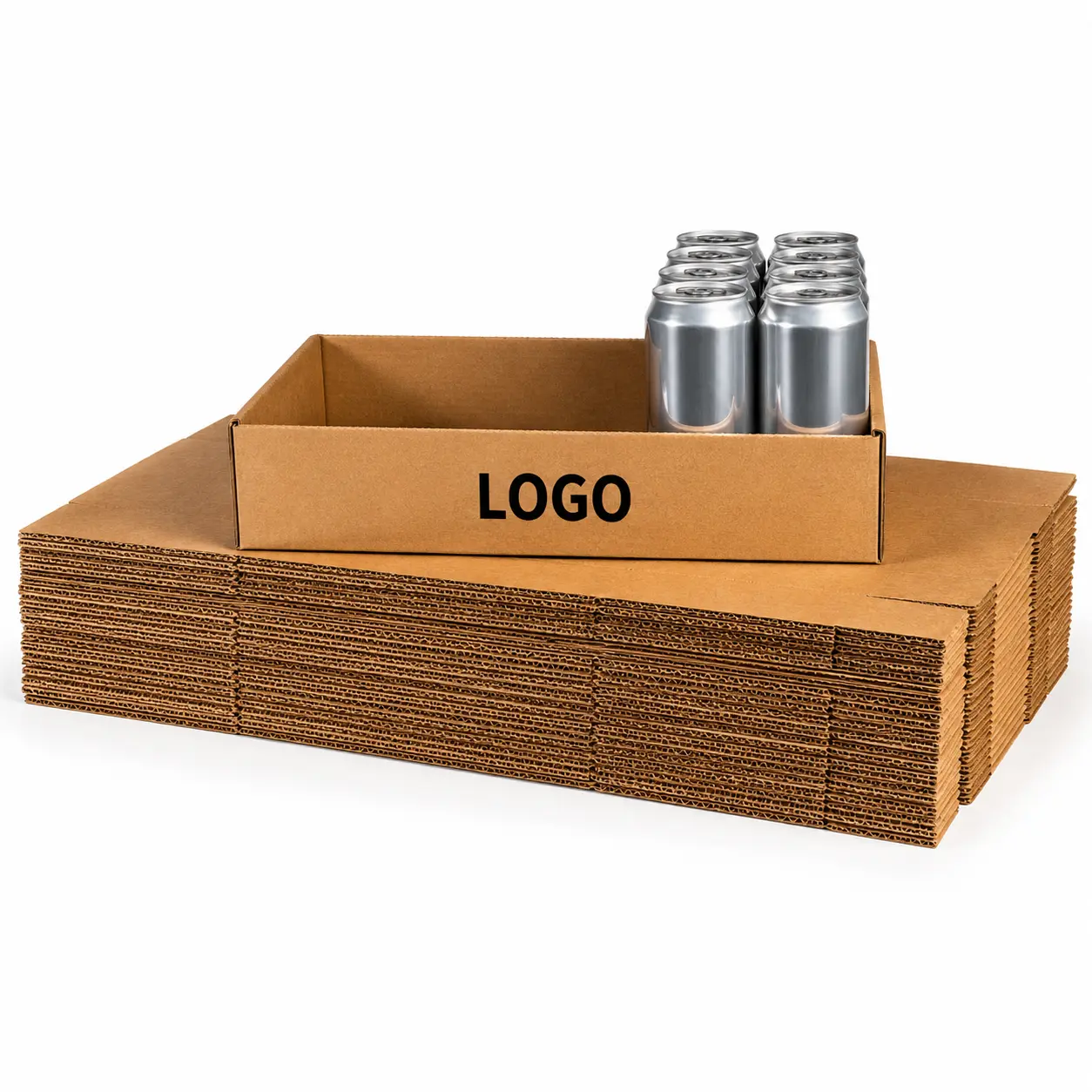
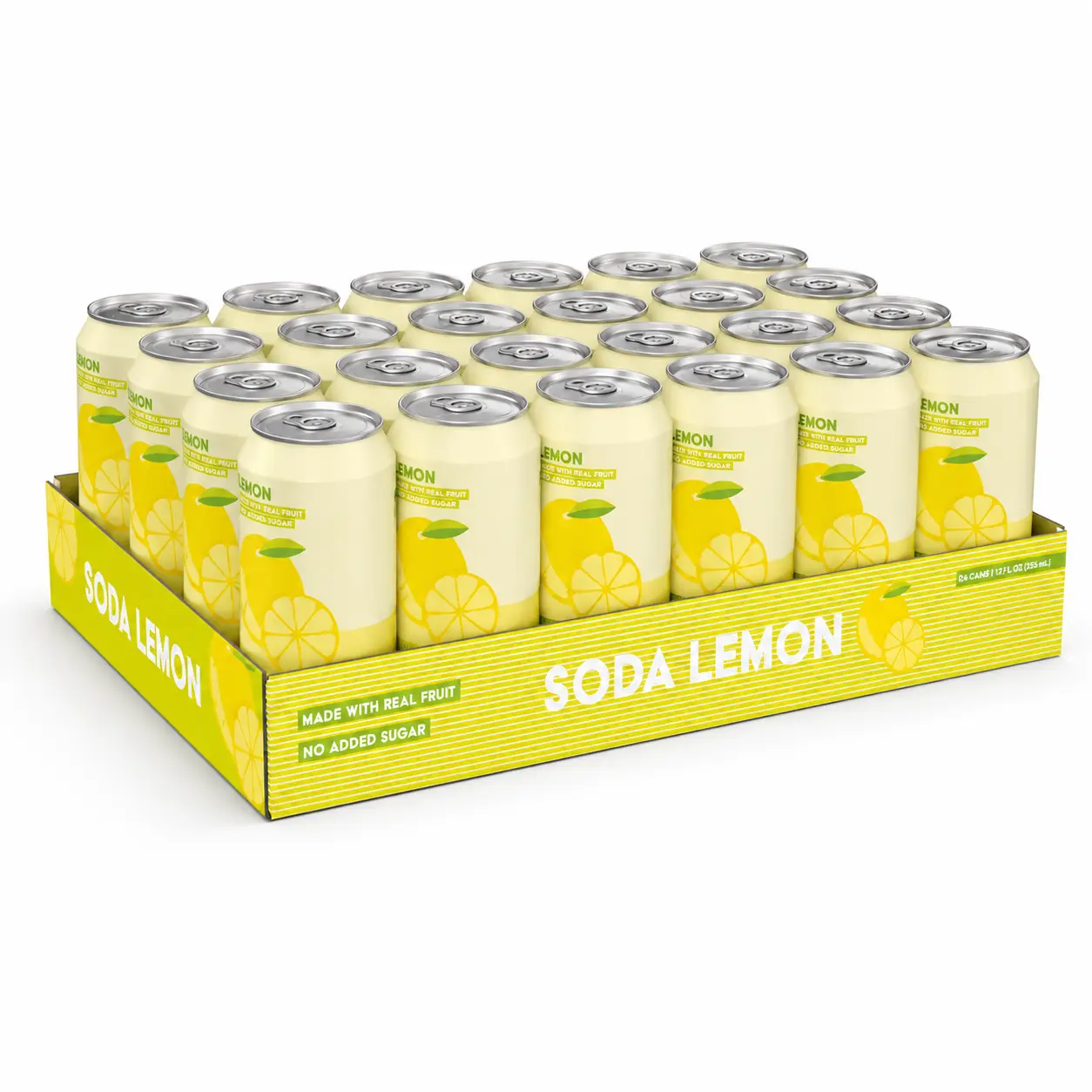
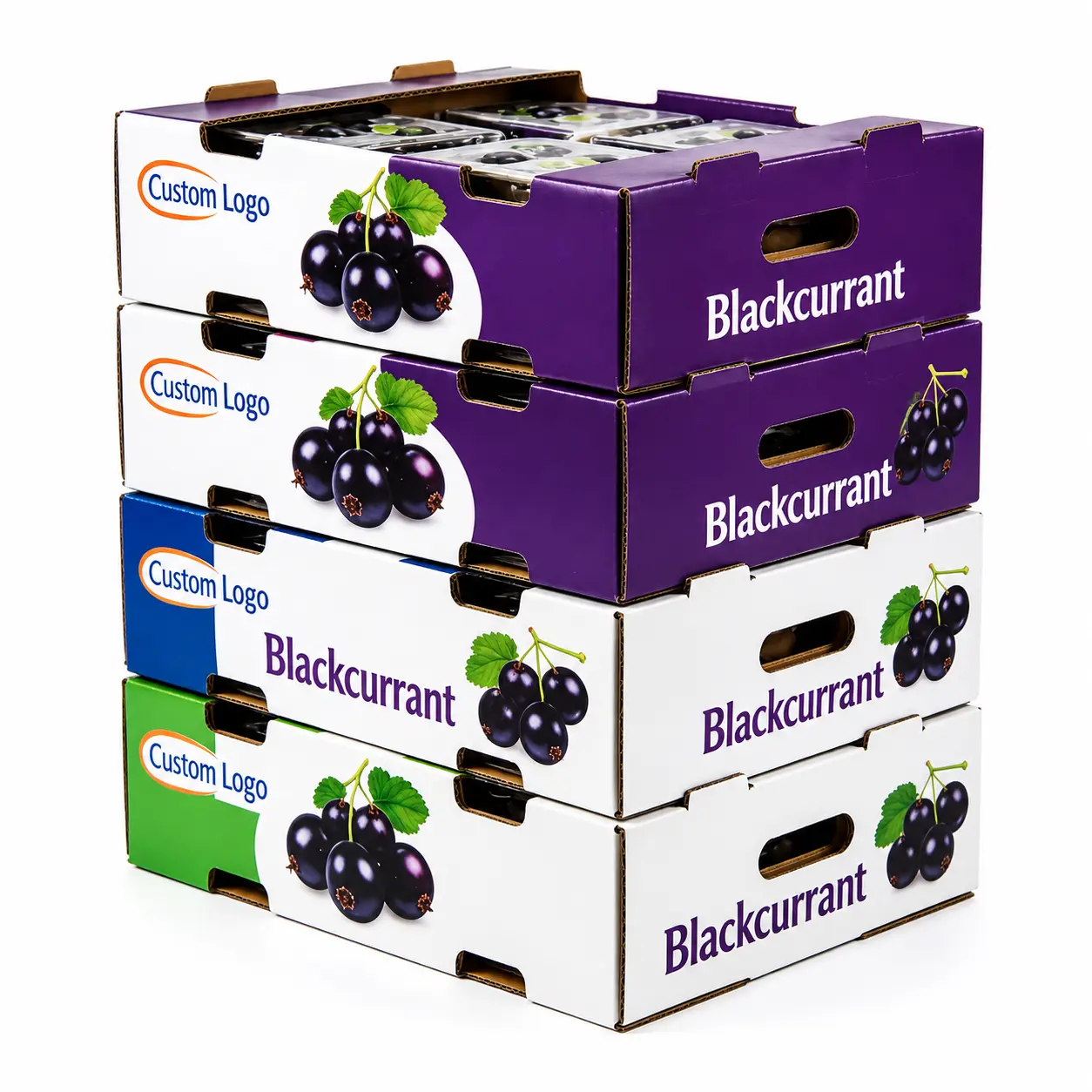
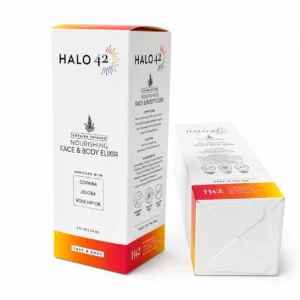
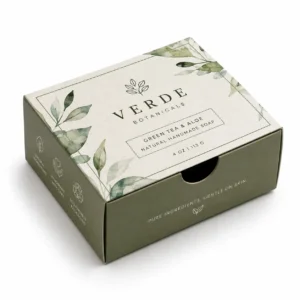
Think of a dozen cans of sparkling water. Or a row of jam jars, or cookie packs lined up at the grocery store. Lid? Nope, nobody needs one. They all travel and sell fine in a tray with low sides. Custom tray packaging is used by beverage brands, food producers, co-packers and retailers who want product grouped, protected at the base and visible from the aisle.
Trays also take a lot of work out of stocking. A store clerk lifts the whole tray onto the shelf instead of placing cans one by one. Grocery buyers love that, so they ask for trays a lot.
Custom Tray Packaging for Cans, Jars and Retail Packs
We size off two things, the footprint of one product and how many go in. You see a lot of 12 oz cans in a 4 by 3 grid, bottled drinks by the 24, jars in sixes or eights. Walls? Somewhere between a third and half the product’s height, so stuff doesn’t tip and you can still read the label.
Here’s something people don’t realize, when you stack trays the product itself holds up a lot of the weight, and cans and glass jars are really strong straight down, so with shrink film on top they’ll go pretty high on a pallet. Chip bags can’t do that. Soft stuff needs a beefier tray or a full case.
Corrugated or Paperboard Trays
Corrugated trays are the standard for heavy loads. Single wall B-flute handles most canned and jarred goods, while double wall suits heavy glass and bulk produce. Our explainer on what corrugated packaging is covers flute types if you’re new to them.
Light things like bakery goods or a cosmetic set? Paperboard, it’s lighter and the print comes out sharper. At a farmers market or a natural foods store, kraft just fits the vibe. Most corrugated and kraft trays are recyclable, which grocery chains increasingly care about.
Printing and Display Trays
A plain brown tray works for warehouse storage. A printed tray works as a mini display. Print your logo and the flavor on the front lip and, kind of by accident, you’ve got your own shelf strip running the whole row. We can also cut the front lower or at an angle so people grab stuff easier.
Full-color printing, matte or gloss lamination and spot UV are all options on paperboard trays. On corrugated, bold one or two color prints are popular and keep cost down. The design team sets up the dieline and lays out artwork at no extra cost.
Ordering Tray Packaging
Tell us the product, its dimensions, the count per tray and whether trays stack. We’ll suggest a board and wall height. Minimums are low, often around 50 trays depending on the style, and the price per tray drops as the quantity rises. Digital proof first, physical sample on request.
Standard production is 10 to 12 business days after proof approval, with free ground shipping across the USA. If you need a top cover for retail, our tray and sleeve boxes add a printed sleeve, and shelf ready packaging goes a step further for grocery buyers. You’ll find more structures under box styles, or you can ask for a quote directly.
Custom Tray Packaging FAQs
How high should the tray walls be?
We’d say a third to half of how tall the product is. Stuff stays upright and the label still shows.
What about stacking them on a pallet?
Sure, cans and jars stack great since they take the weight themselves. Softer products may need double wall trays or a full case to stack safely.
Is a tray enough for shipping?
On a shrink-wrapped pallet, often yes. For parcel shipping, a tray alone won’t protect products, so it goes inside a closed shipping box.
More From This Range
Similar options include custom snap lock boxes, custom auto lock bottom boxes, custom tuck end boxes and custom thumb cut boxes. Browse all of them in by style.