

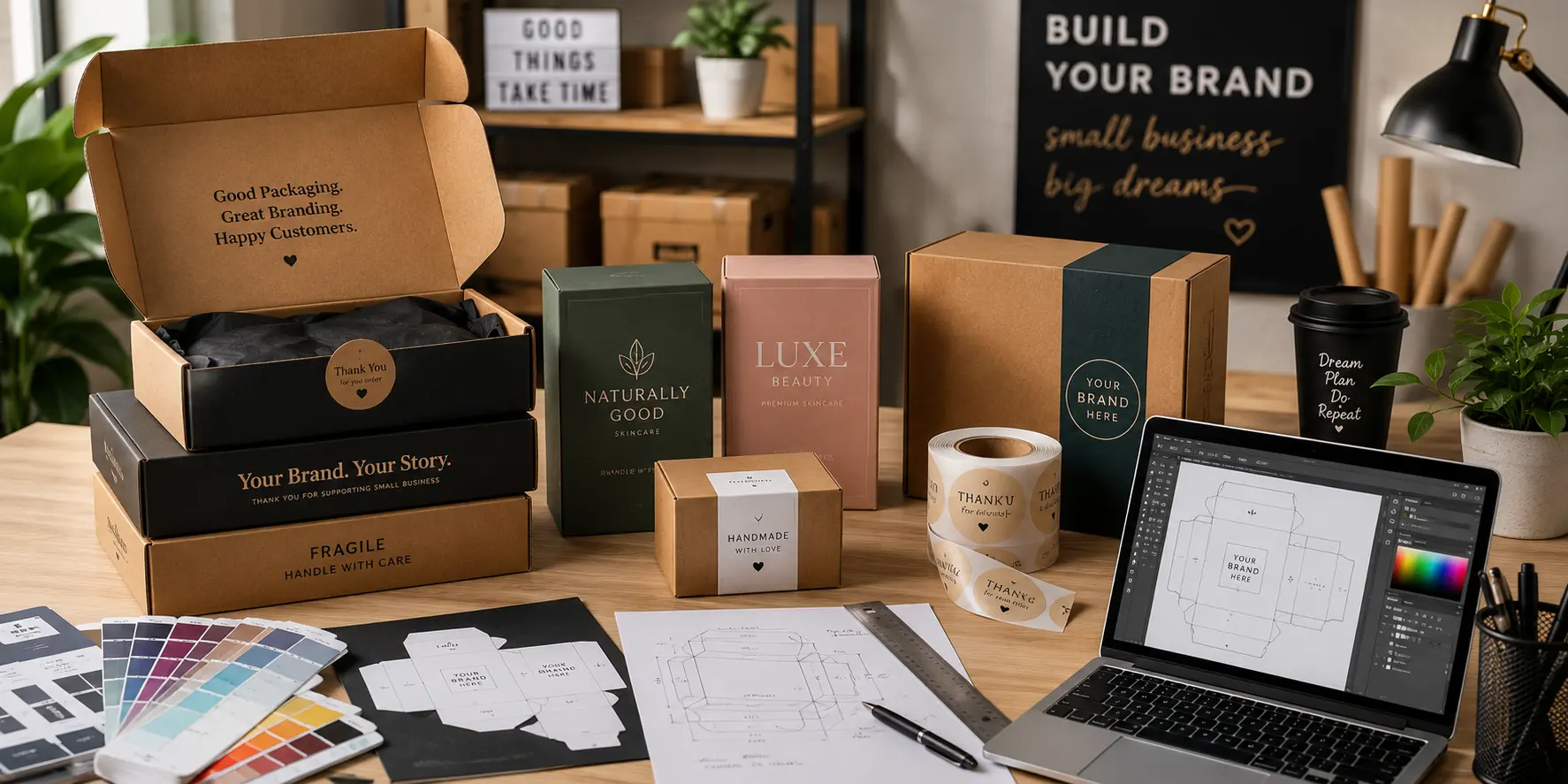
Custom packaging helps small businesses compete with larger brands. Professional packaging improves brand recognition, protects products, and creates memorable customer experiences.
Many small business owners think custom packaging costs too much. In reality, modern packaging companies now offer low minimum order quantities, affordable printing methods, and flexible packaging options for startups and growing brands.
This guide explains exactly how to get custom packaging for your small business while controlling costs and improving product presentation.
Why Small Businesses Need Custom Packaging
Packaging is often the first physical interaction customers have with a brand. Generic boxes fail to create excitement or brand loyalty.
Custom packaging helps small businesses:
- Look more professional
- Build customer trust
- Increase repeat purchases
- Improve unboxing experiences
- Stand out from competitors
- Promote brand identity
- Protect products during shipping
Today, even home-based businesses use branded packaging to compete in crowded ecommerce markets.
Step 1: Identify Your Packaging Needs
Before ordering packaging, determine what type of packaging your products require.
Product Dimensions
Measure product length, width, height, and weight accurately. Proper sizing reduces shipping costs and prevents product damage.
Product Fragility
Fragile products require stronger materials like corrugated packaging or rigid boxes.
Shipping Requirements
Ecommerce businesses often need durable mailer boxes designed for shipping protection.
Branding Goals
Decide how you want customers to feel when opening your package. Premium brands usually invest more in packaging finishes and presentation.
Step 2: Choose the Right Packaging Style
Different businesses require different packaging solutions.
Mailer Boxes
Custom mailer boxes work well for ecommerce brands, subscription businesses, and apparel companies.
Product Boxes
These boxes are ideal for cosmetics, candles, skincare, electronics, and retail products.
Rigid Boxes
Luxury brands use rigid packaging for premium presentation.
Corrugated Boxes
Corrugated packaging provides extra strength for shipping and heavy products.
Kraft Packaging
Eco-conscious businesses often choose kraft boxes because they are recyclable and environmentally friendly.
Step 3: Select Packaging Materials
The material affects packaging durability, appearance, and cost.
Cardboard
Affordable and highly printable. Popular for retail packaging.
Corrugated Board
Provides strong protection during shipping.
Kraft Paper
Offers a natural and eco-friendly appearance.
Rigid Paperboard
Creates premium luxury packaging with thicker walls.
Step 4: Create Your Packaging Design
Packaging design directly impacts customer perception.
Add Your Logo
Your logo should remain clearly visible on the package.
Use Brand Colors
Consistent brand colors improve recognition and professionalism.
Include Important Information
Add product instructions, social media handles, QR codes, or website URLs when necessary.
Keep the Design Clean
Minimal packaging designs often perform better because they look modern and premium.
Step 5: Choose Printing Options
Packaging suppliers offer different printing methods depending on quantity and budget.
Digital Printing
Best for small businesses with low order quantities.
Benefits include:
- Lower setup costs
- Faster production
- Affordable short runs
Offset Printing
Better for larger wholesale orders with high-quality graphics.
Step 6: Decide on Packaging Finishes
Finishes improve visual appeal and customer experience.
Popular finishing options include:
- Matte lamination
- Gloss coating
- Spot UV
- Gold foil stamping
- Embossing
- Soft-touch coating
Luxury finishes can increase perceived product value.
Step 7: Find a Reliable Custom Packaging Supplier
Choosing the right supplier is extremely important.
Look for suppliers that offer:
- Low minimum order quantities
- Free design support
- Fast turnaround times
- Free shipping options
- Material samples
- Custom sizing
- High-quality printing
- Wholesale pricing
Always request packaging samples before placing large orders.
Step 8: Order Samples Before Mass Production
Many small businesses skip this step and regret it later.
Samples help you verify:
- Print quality
- Material thickness
- Color accuracy
- Structural strength
- Product fit
Testing packaging before full production prevents expensive mistakes.
Step 9: Understand Packaging Costs
Several factors affect packaging pricing.
Material Type
Rigid packaging costs more than folding cartons.
Box Size
Larger boxes require more material and increase shipping costs.
Printing Complexity
Multiple colors and premium finishes raise production expenses.
Order Quantity
Wholesale orders reduce cost per unit significantly.
Affordable Packaging Tips for Small Businesses
Small businesses can lower packaging costs without sacrificing quality.
Start With Simple Designs
Minimalist packaging often looks premium while reducing printing expenses.
Order Standard Sizes
Custom dimensions increase production costs.
Use Digital Printing
Digital printing works best for startups and smaller quantities.
Buy Wholesale
Larger orders usually lower packaging costs per box.
Best Packaging Options for Ecommerce Small Businesses
Ecommerce brands require packaging that protects products and improves customer experience.
Recommended options include:
- Custom mailer boxes
- Corrugated shipping boxes
- Poly mailers
- Kraft packaging
- Branded tissue paper
- Custom inserts
Packaging should survive shipping while still looking professional upon delivery.
Sustainable Packaging for Small Businesses
Consumers increasingly prefer sustainable brands.
Eco-friendly packaging options include:
- Recyclable cardboard
- Compostable packaging
- Soy-based inks
- FSC-certified paper
- Minimal packaging designs
Sustainable packaging also improves brand reputation and customer trust.
Common Mistakes Small Businesses Make With Packaging
Avoid these common packaging mistakes.
Choosing Cheap Materials
Weak packaging can damage products and hurt customer satisfaction.
Ignoring Branding
Plain packaging misses marketing opportunities.
Oversized Boxes
Large boxes increase shipping costs unnecessarily.
Skipping Samples
Production errors become expensive without sample approval.
How Custom Packaging Helps Small Businesses Grow
Custom packaging supports business growth by improving customer retention and brand awareness.
Professional packaging can:
- Increase customer trust
- Improve social media exposure
- Encourage repeat purchases
- Strengthen brand recognition
- Support premium pricing
Many successful small businesses grow faster because customers remember their packaging experience.
Conclusion
Getting custom packaging for a small business is easier and more affordable than ever. Modern packaging suppliers offer low minimum order quantities, flexible printing options, and custom designs for startups and growing brands.
The right packaging helps businesses improve branding, customer loyalty, and product protection while creating a professional image in competitive markets.
Investing in custom packaging is not just about shipping products. It is about building a memorable brand customers trust and remember.
FAQs
How much does custom packaging cost for small businesses?
Packaging costs depend on box size, material, printing method, order quantity, and finishing options. Simple mailer boxes usually cost less than luxury rigid packaging. Use our cost calculator for instant price quote.
Can small businesses order low minimum quantities?
Yes. Many packaging suppliers offer low MOQ packaging for startups and small ecommerce brands.
What is the best packaging for ecommerce small businesses?
Mailer boxes and corrugated shipping boxes work best because they provide durability and branding opportunities.
Is custom packaging worth it for small businesses?
Yes. Custom packaging improves customer experience, brand recognition, and product presentation.
What packaging material is cheapest?
Cardboard and kraft paper are usually the most affordable packaging materials.
How long does custom packaging production take?
Production timelines vary by supplier and printing complexity. Most orders take 8 to 20 business days.
Can I get eco-friendly custom packaging?
Yes. Many suppliers offer recyclable, biodegradable, and sustainable packaging materials.
Do packaging companies provide design help?
Most professional packaging suppliers offer free design support and dieline templates.