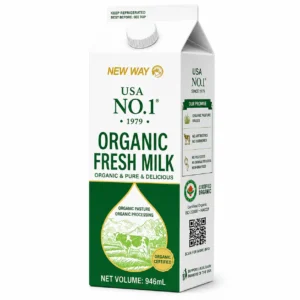
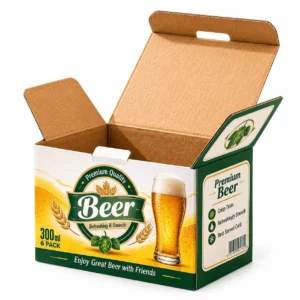
Freezers are rough on cardboard. Here’s what happens to a box, more or less: it leaves a cold truck, sits on a warm loading dock for twenty minutes and sweats, then goes back in the cold and frosts over, and after two or three rounds of that cheap board goes soft, the glue pops and the print scuffs off on the shelf. Custom frozen food boxes are built for exactly that back and forth. Yours should still look clean behind the glass door.
Who orders them? Frozen meal startups, dumpling and pierogi folks, plant-based brands, bakeries doing frozen dough, and a lot of local producers going from the farmers market into their first grocery store. Usually there’s a tray or a sealed bag inside, and the carton has to protect it and sell it, and tell people how to cook it too.
Custom Frozen Food Boxes That Handle Cold and Moisture
Nearly all of these are SBS paperboard with a lamination or coating on the outside. That layer is what lets the print survive frost and wet fingers. Gloss or matte? Gloss, mostly, it wipes clean and your food photo looks juicier, but if your brand is more the rustic craft type then matte is fine too.
Fit matters a lot here. Too big and the tray slides around and the frozen corners snap off. Too tight and it bulges, and whoever’s on your packing line is fighting every single flap (we’d rather you didn’t). We size off your actual tray or bag and leave a tiny bit extra for frost, so if you’ve got a cooking tray, honestly just mail us one.
Panels That Answer Shopper Questions
Think about how people shop the freezer aisle, door open, cold air pouring out, they want to grab something and go. Front is easy. Food, brand. But the back and the sides have to fit cooking directions for oven and microwave (air fryer now too), plus net weight, servings and ingredients, allergens, storage notes, and getting all that readable is about half the design job.
We do that layout for free and check your files for tiny type or colors that won’t print right. One thing we tell everybody. Put the cooking steps on a side panel, because people rip the front off the box and then can’t remember if it was 400 degrees or 425.
Which Frozen Food Box Style Fits Your Product
Meals and waffles and burritos mostly go in a plain tuck end carton. Single-serve entree? A sleeve over the tray works nicely. Dumplings and pastries look great with a window, so the buyer can see them, but keep it small since film and frost kind of fight each other.
Doing pizza? Look at our frozen pizza boxes, they’re made for flat discs. Cones and bars go in our ice cream boxes. And if you’re shipping frozen product straight to people with ice packs, the outer shipper is the bigger deal, which we cover in corrugated packaging for frozen food shipping.
Samples, Proofs and Reorders
Orders often start around 50 boxes depending on the style, and each box gets cheaper as the order gets bigger, handy when you’re just testing a new flavor. You’ll see a digital proof first. Then ask for a physical sample, really, stick it in your own freezer for a few days and pull it in and out a bunch. Production is 10 to 12 business days after approval and ground shipping in the USA is free.
There’s more in our food and beverage packaging section, or send us your tray size and we’ll quote it.
Custom Frozen Food Boxes FAQs
Will the box go soggy in the freezer?
Not with lamination, it handles everyday frost and sweating fine. Still, we’d test a sample in your own freezer before the big order.
Can the box go in the microwave?
Most folks take the food out first. If yours actually cooks in the carton, tell us and skip foil.
Gloss or matte for frozen food?
Gloss for most people, it wipes off and food looks better under freezer lights. Matte if you’re going for a natural, craft feel.
Pair It With
Plenty of customers order this alongside custom chinese takeout boxes, custom printed pizza boxes, custom burger boxes and custom coffee boxes. More styles are in food and beverage.