

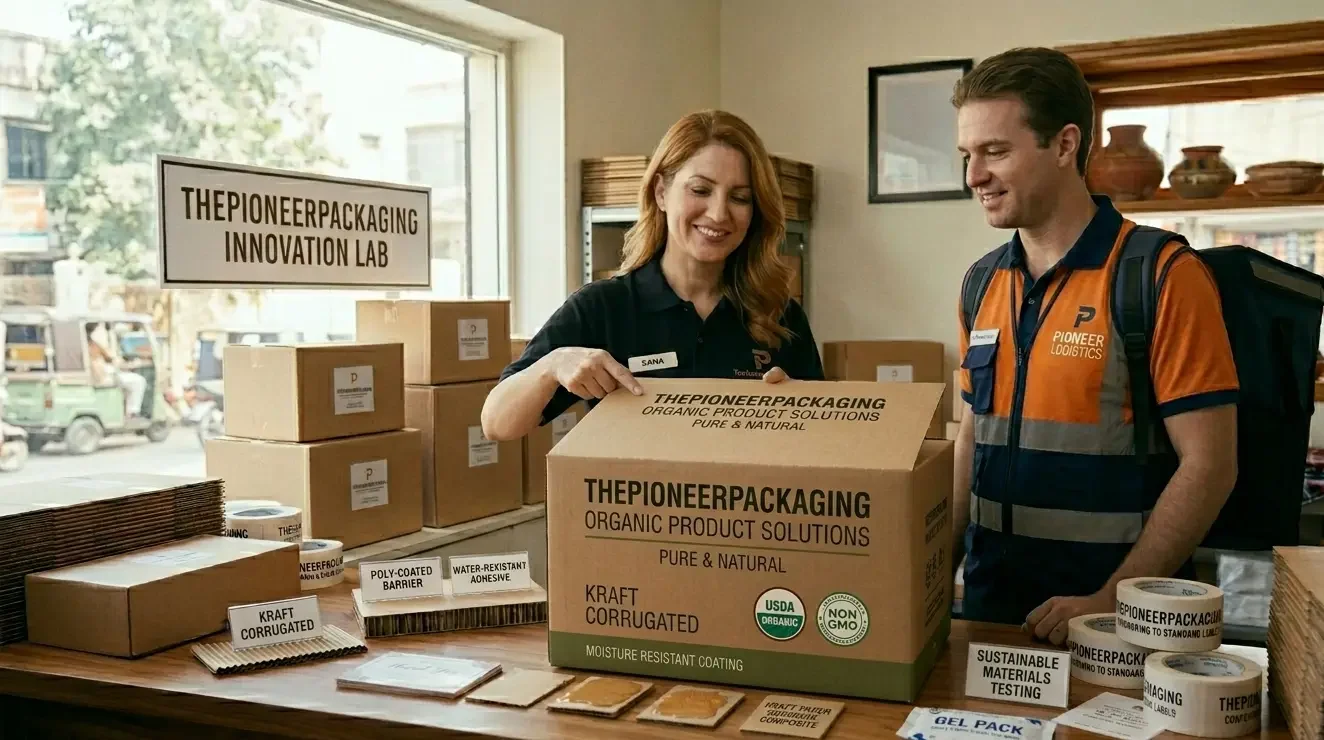
Your premium organic product arrives in cheap plastic packaging that screams “mass-produced” instead of “pure and natural.” For organic food brands, this mismatch destroys trust instantly and kills sales before customers even try the product.
In today’s market, sustainable packaging for organic food is no longer optional it’s a powerful competitive advantage. This comprehensive guide reveals exactly why packaging matters, which materials deliver the best results, and how to choose designs that boost trust, protect freshness, and increase sales.
By the end, you’ll have a clear roadmap to packaging that truly reflects your brand values and drives growth.
What Makes Packaging Important for Organic Food Brands?
Why Packaging Influences Organic Consumer Trust
Organic buyers are highly skeptical. They scrutinize every detail for authenticity. Packaging that looks cheap or overly processed immediately raises red flags, while thoughtful, sustainable designs build instant credibility.
The Psychology Behind Eco-Conscious Buying Decisions
Consumers don’t just buy organic food they buy into values like purity, health, and environmental responsibility. Packaging that visually communicates these values creates emotional connections that drive purchases and loyalty.
How Packaging Affects Perceived Product Quality
Premium, well-designed packaging makes products feel more valuable. Studies and real-world examples show that customers willingly pay 20-30% more for items that appear higher quality through better presentation.
The Connection Between Sustainability and Brand Loyalty
Brands that walk the talk with genuine sustainable packaging enjoy stronger retention and advocacy. Customers share these brands proudly, creating powerful word-of-mouth marketing.
Why Minimalist Packaging Often Performs Better
Clean, honest designs with plenty of white space and natural textures outperform flashy, corrugated packaging in the organic space. They feel more authentic and premium.
Many organic brands struggle with packaging that looks generic, fails to build trust, or doesn’t reflect their values. The right solution changes everything.
Best Sustainable Packaging Materials for Organic Food Products
Compostable vs Biodegradable Packaging: What’s the Difference?
Compostable materials break down completely into nutrient-rich soil under specific conditions (usually industrial facilities). Biodegradable materials eventually break down but may leave microplastics or take much longer. For organic brands, compostable is generally the stronger choice.
Kraft Paper Packaging for Organic Brands
Unbleached Kraft paper offers excellent strength, natural aesthetics, and high recyclability. It works beautifully for snacks, dry goods, and outer shipping boxes while projecting an earthy, trustworthy vibe.
Glass vs Aluminum vs Paper-Based Containers
- Glass: Premium feel, excellent barrier properties, infinitely recyclable but heavy and fragile.
- Aluminum: Superior protection for oils and liquids, lightweight, highly recyclable.
- Paper-Based: Best sustainability profile, lightweight, and customizable.
Plant-Based Plastic Alternatives
Bio-based plastics made from sugarcane, corn, or cassava deliver performance similar to traditional plastic with a much lower carbon footprint.
Flexible Pouches vs Rigid Containers
Flexible pouches save space and reduce material use but can feel less premium. Rigid containers offer better shelf presence and protection for delicate items.
Which Materials Preserve Freshness Best?
| Material | Freshness Protection | Sustainability | Cost Level | Best For |
|---|---|---|---|---|
| Kraft Paper | Good | Excellent | Low-Medium | Dry goods, snacks |
| Glass | Excellent | Excellent | High | Oils, preserves |
| Aluminum | Excellent | High | Medium | Coffee, snacks |
| Compostable Films | Good | Excellent | Medium | Pouches, produce |
Need custom sustainable packaging for your organic brand? Request eco-friendly packaging samples today.
How to Choose the Right Packaging for Different Organic Foods
Packaging for Organic Snacks
Moisture-resistant, grease-proof Kraft or compostable pouches with resealable features work best. Focus on stand-up designs for shelf visibility.
Packaging for Fresh Produce
Breathable materials like perforated compostable films or molded fiber trays prevent condensation while maintaining crispness.
Packaging for Organic Coffee and Tea
High-barrier, light-blocking materials (such as foil-lined Kraft or aluminum) are essential to preserve aroma and freshness.
Packaging for Frozen Organic Foods
Insulated corrugated boxes or compostable materials with thermal liners maintain temperature integrity during shipping.
Packaging for Oils and Liquids
Leak-proof glass bottles or aluminum containers with secure caps prevent spills and oxidation.
Packaging for Dry Goods and Grains
Moisture-proof, airtight Kraft bags or rigid paperboard boxes with liners protect against pests and humidity.
Key challenges include moisture damage, oxygen exposure, leakage, and transportation durability. Matching material to product type solves these problems effectively.
Packaging Design Strategies That Increase Organic Product Sales
Colors that Communicate “Organic” Instantly
Earthy greens, warm browns, soft beiges, and clean whites trigger associations with nature and purity. Avoid overly bright or artificial colors.
Typography and Labeling Best Practices
Clean sans-serif fonts paired with elegant script accents create trust. Prominently display certifications (USDA Organic, Non-GMO, etc.) on the front of the package.
Transparent Packaging vs Opaque Packaging
Transparent windows allow customers to see the product while opaque sections protect from light. This combination often delivers the best results.
Minimalist Packaging Trends
Less is more. Clean layouts with plenty of negative space and honest material textures perform exceptionally well in 2026.
How Storytelling Improves Packaging Performance
Share your farm-to-table journey, farmer stories, or sustainability mission directly on the packaging. This emotional connection boosts conversions dramatically.
Packaging Design Mistakes Hurting Conversions
Overcrowded labels, unreadable text, hidden certifications, and generic stock designs all reduce sales. Always prioritize clarity and authenticity.
Strong trust signals, visible certifications, and premium positioning turn packaging into a silent salesperson.
Organic Food Packaging Regulations and Compliance Requirements
USDA Organic Packaging Guidelines
Packaging cannot make misleading claims. Materials must not compromise organic integrity, and you must maintain separation from non-organic products.
Food-Safe Packaging Requirements
All materials in direct contact with food must meet FDA standards for safety and migration limits.
Labeling Laws for Organic Brands
Strict rules govern the use of the USDA Organic seal, percentage claims, and ingredient lists. Non-compliance risks severe penalties.
Recyclability Claims and Legal Risks
Only make claims you can prove. “Recyclable” requires actual access to recycling streams in target markets.
Avoiding Greenwashing Penalties
Be specific, transparent, and third-party verified. Vague claims like “eco-friendly” without evidence are increasingly risky.
How Sustainable Packaging Impacts Brand Reputation and SEO
Why Sustainability Affects Customer Retention
Authentic corrugated packaging turns one-time buyers into loyal advocates who defend and promote your brand.
ESG Trends Influencing Consumer Behavior
Investors, retailers, and consumers increasingly favor brands with strong environmental performance.
How Packaging Creates Social Sharing Opportunities
Beautiful, sustainable unboxing experiences generate authentic user-generated content across Instagram, TikTok, and Pinterest.
Sustainable Branding and Google Discover Potential
Authentic green brands earn more visibility in search and content recommendation platforms.
Why Eco-Packaging Improves PR and Backlinks
Journalists and influencers love covering brands that genuinely reduce environmental impact.
Cost Challenges of Eco-Friendly Packaging (And How Brands Reduce Expenses)
Why Sustainable Packaging Costs More
Higher raw material costs, specialized manufacturing, and smaller production runs drive up prices compared to conventional plastic.
Hidden Costs Brands Ignore
Damage during shipping, short shelf life, poor unboxing experiences, and customer complaints quickly add up.
How Startups Reduce Packaging Expenses
Start with standardized sizes, order in bulk once validated, and focus on lightweight designs that lower shipping costs.
Bulk Ordering Strategies
Consolidate SKUs and forecast demand accurately to access better pricing tiers.
Lightweight Packaging for Shipping Savings
Reducing weight and dimensional volume can cut e-commerce shipping fees dramatically.
When Premium Packaging Increases Profit Margins
For higher-priced organic items, the increased perceived value and reduced returns often deliver strong ROI.
Packaging Trends Organic Food Brands Should Watch in 2026
Smart Packaging Technology
QR codes that link to traceability information, freshness indicators, and interactive stories.
QR-Code Storytelling Packaging
Turn every package into a gateway to your brand’s mission and farmer videos.
Refillable Packaging Systems
Return-and-refill models that reduce waste while building recurring customer relationships.
Zero-Waste Packaging Models
Home-compostable and reusable systems gaining strong traction.
AI-Driven Package Personalization
Customized designs based on customer preferences or purchase history.
Monomaterial Packaging Trends
Single-material designs that are far easier to recycle at scale.
Get a custom packaging consultation tailored to your organic product line.
Best Packaging Suppliers for Organic Food Brands
What to Look for in a Packaging Supplier
Proven experience with organic brands, strong sustainability credentials, reliable quality control, and excellent customer support.
Questions to Ask Before Ordering
- What certifications do your materials hold?
- Can you provide samples and performance data?
- What are your MOQs and lead times?
- Do you offer design and testing support?
MOQ Considerations for Startups
Look for suppliers offering flexible minimums or starter programs for emerging brands.
Domestic vs Overseas Manufacturers
Domestic suppliers offer faster lead times and easier communication. Overseas options may provide lower costs at higher volumes.
Certifications Suppliers Should Have
FSC, BRCGS, FDA compliance, and compostability certifications (where relevant).
FAQ: Sustainable Packaging for Organic Food Brands
What is the best packaging material for organic food? It depends on the product, but compostable Kraft paper, glass, and certified bio-based materials consistently perform well for most organic applications.
Is biodegradable packaging safe for food? Yes, when it carries proper food-grade certifications. Always verify FDA compliance and suitability for your specific food type.
What packaging do eco-friendly brands use? Leading brands favor compostable films, unbleached Kraft, molded fiber, glass, and aluminum with high recycled content.
How much does sustainable food packaging cost? It typically costs 15-40% more than conventional options, but the right choices often deliver better ROI through higher sales and lower returns.
What’s the difference between compostable and recyclable packaging? Compostable breaks down into soil; recyclable is processed back into new materials. Many modern solutions aim to achieve both.
Can sustainable packaging increase sales? Yes. Multiple organic brands report 15-35% sales lifts after upgrading to authentic, premium sustainable packaging.
How do organic brands reduce packaging waste? By using lightweight designs, right-sizing, monomaterial structures, and refillable or compostable systems.
What are the FDA requirements for food packaging? Materials must be food-safe, prevent contamination, and meet migration limits. Suppliers should provide compliance documentation.
Which packaging keeps organic food fresh the longest? High-barrier materials like glass, aluminum, or multi-layer compostable films with oxygen and moisture blockers.
How can small food brands afford eco-friendly packaging? Start with standardized sizes, order in bulk, focus on lightweight designs, and work with suppliers offering startup-friendly MOQs.
Conclusion
Sustainable packaging for organic food brands is one of the most powerful tools available to build trust, protect products, and drive sales. The right combination of materials, design, and compliance turns packaging from a cost center into a major growth driver.
Key Takeaways:
- Align packaging visually and functionally with your organic values
- Choose materials based on product type and protection needs
- Prioritize transparency, certifications, and minimalist design
- Balance sustainability with performance and cost
- Test thoroughly and stay compliant
Ready to elevate your brand with packaging that truly reflects your mission?
Get quote today Request eco-friendly packaging samples or book a custom packaging consultation tailored to your organic product line. Create packaging that customers love, trust, and happily share.