

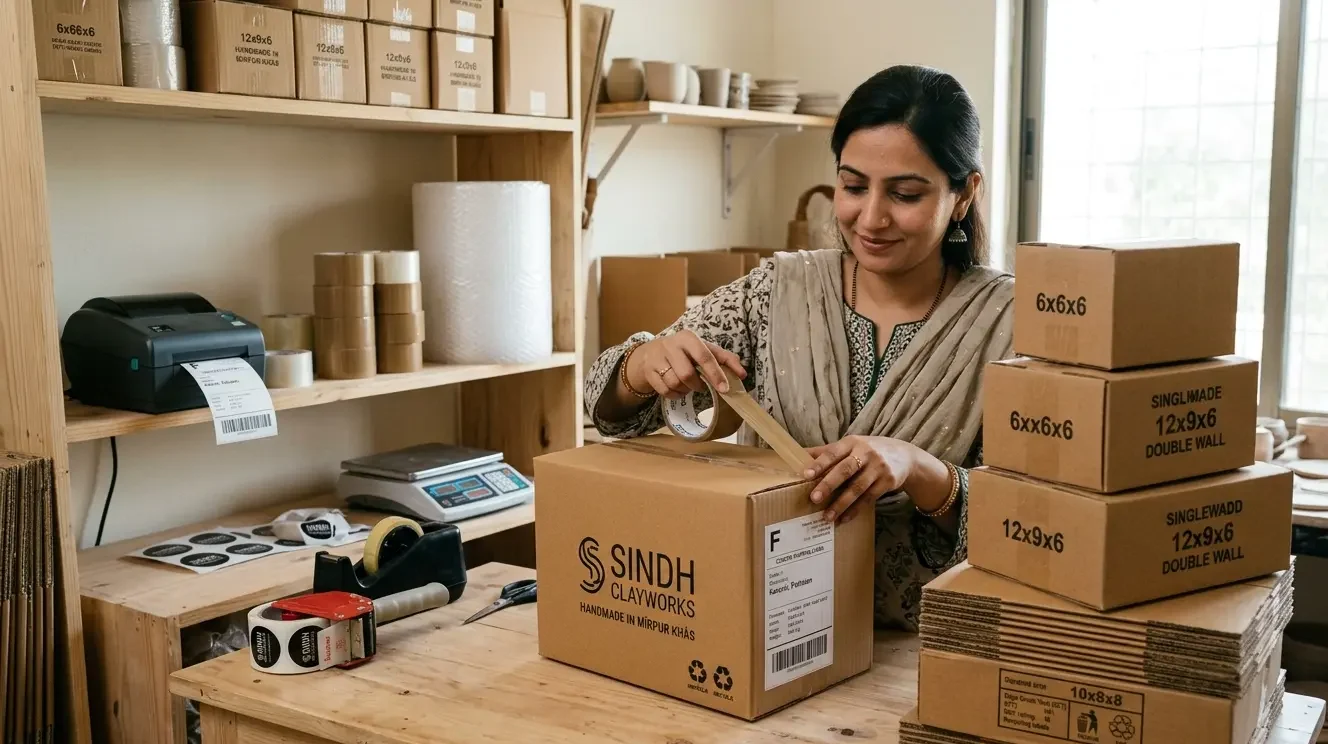
Your products are finally selling, but every package you ship feels like a gamble. Some arrive damaged, customers complain about high shipping fees, and your packaging costs are quietly eating your margins.
If you’re a small business owner tired of overpaying for shipping, dealing with returns due to damaged goods, or wasting money on the wrong boxes, this guide is for you.
You’ll learn exactly how to choose the right shipping boxes, reduce costs, protect your products, and even turn packaging into a branding advantage. By the end, you’ll have a clear, actionable system to make smarter packaging decisions that boost profits and customer satisfaction.
What Makes a Good Shipping Box?
A good shipping box protects the product, fits carrier requirements, looks professional, and keeps costs under control. It must be sturdy enough for real-world handling while remaining lightweight.
Key qualities include:
- Strong material that resists crushing
- Proper size with minimal empty space
- Clean appearance for branding
- Compliance with carrier rules
The best box balances protection, cost, and presentation for your specific products.
How Box Size Affects Shipping Costs
Box size directly impacts what you pay. Larger boxes increase dimensional weight, which many carriers use to calculate rates. Even light packages in big boxes can cost significantly more to ship.
Choosing the right size can save you hundreds or thousands per month as your order volume grows.
Understanding Dimensional Weight Pricing
Carriers calculate “dim weight” by multiplying length × width × height and dividing by a carrier-specific factor. You pay the higher of actual weight or dimensional weight.
This is why a large, half-empty box costs more than a snug, properly packed one. Understanding this single rule can transform your profitability.
When to Use Corrugated Boxes vs Cardboard Mailers
Corrugated boxes (made with fluted layers) offer superior strength and are ideal for most small business shipments. Cardboard mailers are thinner and work for very light, flat items but often fail under pressure.
Most successful small businesses rely primarily on corrugated options for reliability.
Common Packaging Mistakes Small Businesses Make
- Defaulting to one-size-fits-all boxes
- Overusing filler material
- Ignoring product-specific needs
- Choosing the cheapest option without testing
- Failing to track actual shipping costs per order
These mistakes lead to higher expenses, damaged reputation, and lost customers.
How Product Type Changes Packaging Needs
A clothing item needs different corrugated packaging than a glass candle or heavy electronics. Always match box strength, cushioning, and size to what’s inside. A one-size-fits-all approach almost always costs more in the long run.
Types of Shipping Boxes Explained
Corrugated Boxes vs Cardboard Boxes
Corrugated boxes have a wavy fluted layer between two liners, providing excellent cushioning and strength. Standard cardboard (chipboard) is much weaker and best for inner packaging only, not outer shipping.
Rigid Mailers vs Poly Mailers
Rigid mailers are sturdy, flat options perfect for documents, photos, or small goods. Poly mailers are flexible plastic envelopes lightweight and waterproof but offer minimal protection.
Single-Wall vs Double-Wall Corrugated Boxes
Single-wall boxes handle most small business shipments up to 20-25 lbs. Double-wall boxes provide extra strength for heavier or more fragile items, though they cost more and add weight.
Best Boxes for Fragile Items
Double-wall corrugated with strong corner protection and ample cushioning. Look for boxes rated for higher ECT (Edge Crush Test) values.
Best Shipping Boxes for Heavy Products
Double-wall or triple-wall corrugated boxes with reinforced seams. Always stay within carrier weight limits and consider palletizing for very heavy shipments.
Flat-Rate Shipping Boxes Explained
USPS Priority Mail offers free flat-rate boxes in standard sizes. These are excellent for small businesses shipping consistent volumes, as the price stays the same regardless of weight (within limits).
Cheapest Option: Poly mailers or stock single-wall boxes Most Durable: Double-wall corrugated Best Branding Option: Custom printed corrugated boxes Best for Ecommerce: Versatile single-wall corrugated with branding elements
Best Shipping Box Sizes for Ecommerce Businesses
Standard Shipping Box Dimensions
Common sizes include 6x6x6, 8x8x8, 12x9x6, 18x12x6, and larger options. Keep a variety on hand rather than relying on one size.
How to Measure Products Correctly
Measure length, width, and height at the widest points. Add at least 2-3 inches of cushioning space on all sides. Always measure packed products, not just the item itself.
Choosing the Smallest Safe Box
The golden rule: Use the smallest box that safely fits the product with adequate protection. This single habit dramatically cuts dimensional weight fees.
Oversized Packaging Mistakes That Increase Costs
Using boxes that are too big wastes money on shipping and void fill. It also raises damage risk because products shift during transit.
Best Box Sizes for Popular Products
- Clothing: 12x9x6 or poly mailers
- Cosmetics: 8x6x6 rigid or small corrugated
- Electronics: Double-wall with foam inserts
- Candles: 10x8x8 with dividers
- Handmade Products: Custom-sized kraft corrugated for branding
Multi-Product Shipment Strategies
Group compatible items together. Use dividers or separate compartments to prevent damage. Create standard kits for common combinations to speed up packing.
How to Reduce Shipping Costs with Smarter Packaging
Why Packaging Increases Shipping Costs
Poor choices in size, weight, and materials directly raise carrier fees and waste money on excess supplies.
How Dimensional Weight Pricing Works
Carriers compare actual weight vs. volume-based weight. Large, light packages are penalized heavily. Right-sizing is the fastest path to savings.
Lightweight Packaging Strategies
Choose high-strength, low-weight materials. Use thinner yet durable corrugated where possible and minimize unnecessary fillers.
Reducing Void Fill and Wasted Space
Pack tightly with just enough cushioning. Air pillows, kraft paper, and custom foam inserts work better than overfilling with cheap peanuts.
Bulk Purchasing vs On-Demand Packaging
Bulk buying lowers per-unit cost but requires storage. On-demand suits very low volumes but costs more. Most growing businesses use a hybrid approach.
Shipping Carrier Optimization Tips
Compare USPS, UPS, and FedEx rates regularly. Consider zone-based pricing and negotiate as your volume increases.
Compare affordable shipping box suppliers to find options that fit your budget and needs.
Custom Branded Shipping Boxes: Are They Worth It?
Benefits of Branded Packaging
Branded boxes create a professional unboxing experience, reinforce your identity, and turn customers into brand ambassadors through social sharing.
How Packaging Impacts Customer Retention
Memorable, high-quality packaging makes customers feel valued and increases the likelihood they’ll order again.
Custom Boxes vs Plain Boxes
Custom boxes build stronger brand recall. Plain boxes work for testing but limit marketing potential.
Cost of Custom Shipping Boxes
Expect higher per-unit costs with low volumes. Prices drop significantly at 500–1000 unit orders. Start small and scale up.
Best Custom Box Suppliers for Small Businesses
Look for suppliers offering low minimum orders, fast turnaround, and quality printing. Many now cater specifically to small ecommerce brands.
Minimalist Branding Strategies for Low Budgets
Use custom stickers, printed tape, and branded inserts on stock boxes. This achieves a professional look without full custom printing costs.
Request custom packaging samples and see the difference branded boxes can make for your business.
Eco-Friendly Shipping Boxes and Sustainable Packaging
Sustainable Packaging Materials Explained
Recycled corrugated, kraft paper, and biodegradable fillers deliver real protection with lower environmental impact.
Recyclable vs Biodegradable Packaging
Recyclable materials fit existing waste systems. Biodegradable options break down faster. Many small businesses choose recyclable kraft for practicality.
How Eco-Packaging Affects Customer Perception
Customers increasingly reward brands that care about sustainability. Eco-friendly packaging can become a powerful differentiator.
Affordable Eco-Friendly Shipping Solutions
Start with recycled content boxes and kraft mailers. Many wholesale suppliers now offer competitive green options.
How to Reduce Packaging Waste
Right-size boxes, use minimal effective cushioning, and encourage customers to reuse or recycle your packaging.
Essential Shipping Supplies Every Small Business Needs
- Packing Tape: Heavy-duty, clear or printed options with a quality tape gun
- Bubble Wrap vs Kraft Paper: Bubble for fragile items; kraft for general cushioning
- Void Fill Options: Air pillows, crumpled paper, or foam
- Shipping Labels and Thermal Printers: Save time and look professional
- Packaging Inserts and Thank-You Cards: Build loyalty and encourage reviews
- Inventory Organization Tips: Dedicated packing station and labeling system
Best Places to Buy Shipping Boxes for Small Businesses
Buying Shipping Boxes Wholesale
Wholesale delivers the lowest per-unit pricing once you reach consistent volume.
Local vs Online Packaging Suppliers
Online offers wider selection and better prices. Local suppliers provide faster pickup for urgent needs.
Best Custom Packaging Companies
Focus on those with strong reviews, sample programs, and experience with small businesses.
Cheapest Places to Buy Bulk Boxes
Compare Uline, Amazon Business, Corrugated packaging suppliers, and direct manufacturers. Prices vary significantly by volume.
Amazon vs Uline vs Packaging Companies
Amazon is convenient for small quantities. Uline offers huge variety. Direct manufacturers win on custom work and large bulk orders.
When to Negotiate Supplier Pricing
Once you have steady volume, always ask for better rates, free samples, or waived setup fees.
Shipping Box Mistakes That Hurt Small Businesses
- Using oversized boxes that trigger high dimensional fees
- Ignoring carrier rules and getting rejected shipments
- Choosing weak boxes for fragile products
- Missing branding opportunities on every package
- Using inconsistent sizes that complicate operations
- Failing to test packaging with actual shipping conditions
Real example: One small business saved over $3,000 annually simply by switching to properly sized boxes and reducing void fill.
Small Business Shipping Box Checklist
Packaging Materials Checklist
- Appropriate box strength for product weight
- Sufficient cushioning materials
- Quality packing tape and dispensers
Box Sizing Checklist
- Measure products accurately
- Add proper cushioning space
- Calculate dimensional weight impact
Carrier Compliance Checklist
- Stay within weight and size limits
- Use required labels (fragile, orientation)
- Follow flat-rate guidelines when applicable
Branding Checklist
- Include logo or stickers
- Add thank-you cards or inserts
- Maintain consistent visual identity
Sustainability Checklist
- Use recycled content where possible
- Minimize waste
- Include recycling instructions
Cost Optimization Checklist
- Track cost per order
- Review supplier prices quarterly
- Test new materials regularly
FAQ: Shipping Boxes for Small Businesses
What type of shipping box is best for small businesses? Single-wall corrugated boxes offer the best balance of strength, cost, and versatility for most small businesses.
How do I choose the right shipping box size? Measure your product, add 2-3 inches of cushioning on each side, and select the smallest box that fits safely.
Are custom shipping boxes worth the cost? Yes for established brands. Start with stickers and inserts on stock boxes if you’re just beginning.
What is the cheapest way to buy shipping boxes? Buy in bulk from wholesalers or manufacturers once you have consistent volume. Compare Uline, direct suppliers, and business programs on Amazon.
What’s the difference between corrugated and cardboard boxes? Corrugated has a fluted middle layer for strength and cushioning. Cardboard is thinner and weaker, unsuitable for most shipping.
How can I reduce shipping costs with packaging? Use the smallest safe box, minimize void fill, choose lightweight materials, and track dimensional weight.
What shipping boxes are best for fragile items? Double-wall corrugated with bubble wrap or foam inserts and clear “Fragile” labeling.
Can eco-friendly packaging reduce costs? It can through waste reduction and right-sizing, plus it often improves brand perception and customer loyalty.
Should small businesses use branded packaging? Yes. Even simple custom stickers and thank-you cards create a more professional and memorable experience.
Where can I buy bulk shipping boxes? Popular options include Uline, Packaging suppliers with wholesale programs, and direct manufacturers for custom needs.
Conclusion: Choose Smarter Shipping Boxes and Scale with Confidence
Selecting the right shipping boxes protects your products, delights customers, controls costs, and strengthens your brand. Small improvements in packaging deliver outsized returns through lower shipping fees, fewer returns, and higher customer loyalty.
Key Takeaways:
- Match box type and size to your products
- Prioritize right-sizing to beat dimensional weight fees
- Balance cost, protection, and branding
- Test everything before scaling
- Consider sustainability and customization as you grow
Ready to optimize your packaging and boost your bottom line?
Get a personalized packaging strategy for your business or get quote affordable shipping box suppliers today. Many small business owners see immediate savings and happier customers after making smarter choices.
What’s your biggest shipping box challenge right now? Drop a comment below.