

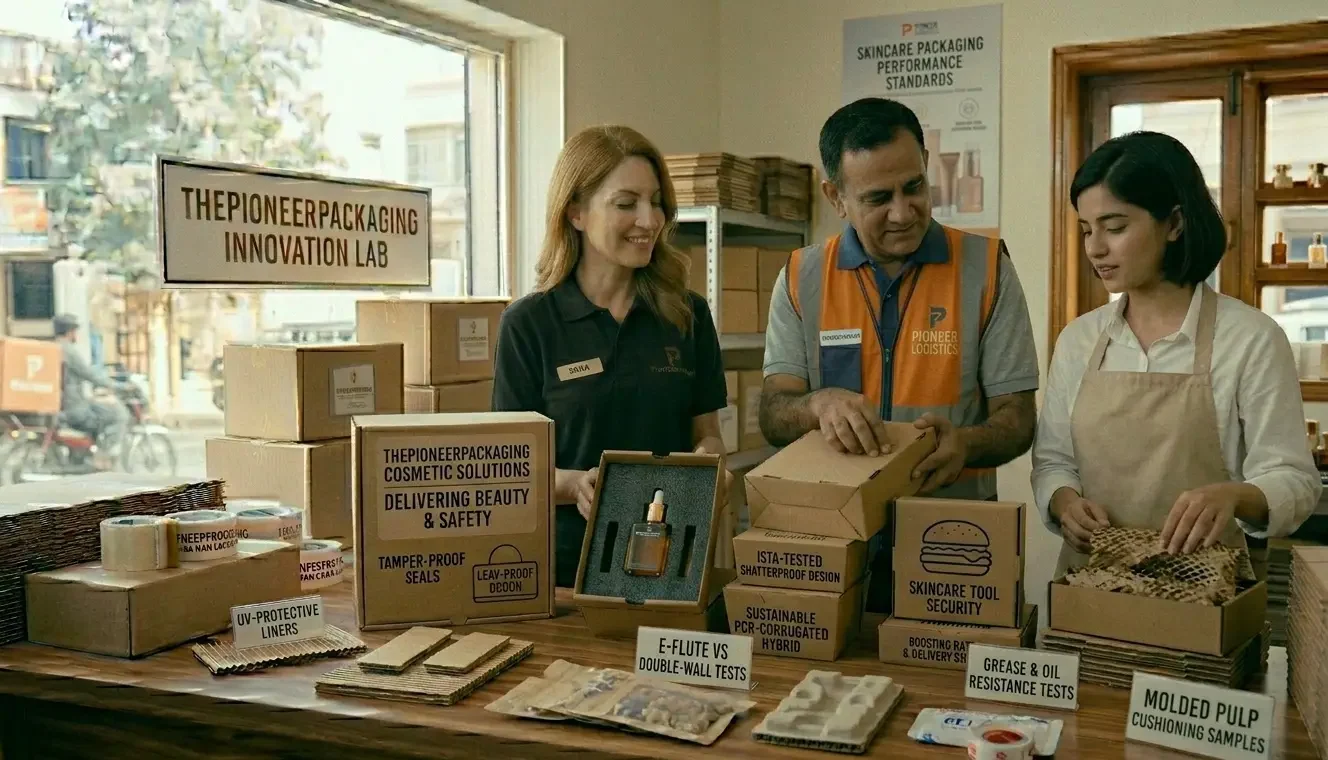
Your premium serum leaks in transit, your luxury cream arrives contaminated, or your carefully formulated product degrades before the customer even opens it. For skincare brands, packaging failures don’t just waste inventory they destroy trust, trigger refunds, and kill long-term customer relationships.
This complete guide to skincare packaging reveals exactly how to choose materials, designs, and solutions that protect active ingredients, create memorable unboxing experiences, and drive sales. Whether you’re a startup or an established brand, you’ll discover strategies to reduce damage, strengthen branding, and meet modern consumer expectations.
Why Packaging Matters in the Skincare Industry
How Packaging Influences Buying Decisions
Customers often decide to buy based on corrugated packaging before reading ingredients. Professional, premium-looking packaging signals quality and justifies higher prices in a crowded market.
The Psychology of Premium Skincare Packaging
Clean aesthetics, tactile materials, and thoughtful details create feelings of luxury and trust. Packaging that feels clinical yet elegant performs especially well for active-focused skincare.
How Packaging Protects Active Ingredients
Many ingredients like vitamin C, retinol, and niacinamide are sensitive to light, air, and contamination. The right packaging acts as a barrier, preserving potency and extending shelf life.
Why Poor Packaging Damages Brand Trust
Leaking bottles, broken jars, or cheap-looking designs make customers question your product quality and professionalism, leading to negative reviews and lost sales.
The Connection Between Packaging and Customer Retention
Beautiful, functional packaging turns a simple delivery into a delightful experience that encourages repeat purchases and brand loyalty.
Low conversion rates, cheap-looking branding, product degradation, and leakage during shipping are common frustrations that smart skincare packaging directly solves.
Types of Packaging for Skincare Products
Glass Packaging: Benefits, Drawbacks & Best Use Cases
Glass offers excellent barrier protection, a premium feel, and recyclability. It’s ideal for serums and oils but is heavier and more prone to breakage during shipping.
Plastic Packaging: PET, HDPE & Acrylic Explained
PET is lightweight and clear, HDPE provides good chemical resistance, and acrylic delivers a glass-like appearance at lower weight. All are widely used but require careful selection for compatibility with active ingredients.
Airless Pump Packaging for Serums & Creams
Airless pumps prevent oxidation and contamination by blocking air entry. They maximize product usage and are perfect for high-value serums and creams.
Tubes vs Jars: Which Is More Hygienic?
Tubes are more hygienic because they limit exposure to air and fingers. Jars look luxurious but can introduce bacteria if customers dip fingers repeatedly.
Dropper Bottles for Oils and Actives
Droppers provide precise application and work well for facial oils and potent actives, but they need strong outer protection for shipping.
Refillable Skincare Packaging Systems
Refillable options reduce waste and build customer loyalty by offering convenient, cost-effective replenishment.
Request free packaging samples to test which formats work best for your specific formulations.
How to Choose the Right Skincare Packaging
Choosing Packaging Based on Product Type
Viscosity, sensitivity to light/air, and usage method should guide your decisions. Serums need dropper or pump protection, while creams benefit from jars or tubes.
Best Packaging for Vitamin C, Retinol & Active Ingredients
Opaque or UV-protective materials are essential. Airless or vacuum systems help maintain stability for light- and oxygen-sensitive actives.
Packaging for Organic and Natural Skincare Brands
Natural brands often prefer glass, kraft paper outer boxes, or certified compostable materials to align with their clean ethos.
Ecommerce-Friendly Packaging Considerations
Prioritize lightweight, durable, and protective designs that survive drops and stacking while minimizing dimensional weight fees.
Matching Packaging with Target Audience Expectations
Younger consumers may prefer sustainable and minimalist designs. Premium buyers respond to luxurious textures and elegant details.
Luxury vs Minimalist: Luxury uses heavy glass and premium finishes. Minimalist focuses on clean lines and functionality. Glass vs Plastic Costs: Glass has higher upfront and shipping costs but stronger perceived value.
Sustainable Packaging for Skincare Brands
What Makes Packaging Truly Sustainable?
True sustainability considers the full lifecycle sourcing, production, transportation, use, and end-of-life recyclability or compostability.
PCR Plastic vs Biodegradable Packaging
Post-Consumer Recycled (PCR) plastic reduces virgin plastic use. Biodegradable and compostable materials break down naturally but need proper disposal infrastructure.
Refillable Packaging Trends in Beauty
Refill systems cut waste and encourage repeat purchases while lowering long-term packaging costs.
How Eco-Packaging Impacts Customer Trust
Authentic sustainable corrugated packaging builds emotional loyalty and differentiates your brand in a noisy market.
Common Greenwashing Mistakes Brands Make
Vague claims like “eco-friendly” without proof, misleading certifications, or non-recyclable “green” designs can damage credibility and invite backlash.
Skincare Packaging Design Trends That Increase Sales
Minimalist Skincare Packaging Trends
Clean white space, sans-serif typography, and neutral tones dominate for clinical and clean beauty positioning.
Luxury Skincare Branding Aesthetics
Metallic accents, soft-touch coatings, and elegant typography create a high-end feel that supports premium pricing.
Color Psychology in Beauty Packaging
Soft pastels convey gentleness, while deep greens and golds suggest efficacy and luxury. Match colors to your brand personality and target audience.
Typography and Label Design Tips
Ensure labels are clear, legible, and highlight key benefits. Avoid overcrowding prioritize hierarchy and white space.
Packaging Trends Consumers Trust in 2026
Transparent windows, visible ingredients, and honest storytelling are winning consumer confidence.
Social-Media-Friendly Packaging Design
Photogenic shapes, textures, and details encourage unboxing videos and user-generated content.
Packaging Mistakes That Hurt Skincare Brands
- Using jars for unstable ingredients that oxidize quickly
- Ignoring UV protection for light-sensitive actives
- Overcomplicated packaging that frustrates customers
- Poor label readability that causes confusion
- Choosing packaging based only on cost instead of performance
- Failing ecommerce drop tests before launch
These mistakes lead to product spoilage, negative reviews, and high return rates.
Custom Skincare Packaging for Small Businesses
How Startups Can Afford Premium Packaging
Start with semi-custom solutions, digital printing for lower MOQs, or standardized bases with custom labels and inserts.
MOQ Challenges Explained
Many suppliers require 1,000–5,000 units. Look for manufacturers offering flexible options or stock customization for emerging brands.
Finding Reliable Packaging Suppliers
Prioritize partners with beauty industry experience, proper certifications, and strong quality control processes.
White-Label vs Custom Packaging
White-label offers speed and lower cost. Custom builds stronger brand identity but requires higher investment.
Packaging Costs Breakdown for Small Brands
Expect higher per-unit costs at low volumes. Focus on designs that reduce shipping damage to offset expenses.
Get custom packaging consultation tailored to your skincare line and budget.
Regulatory & Labeling Requirements for Skincare Packaging
FDA Cosmetic Labeling Basics
Include product identity, net quantity, manufacturer details, and ingredient list in the proper format.
INCI Ingredient Labeling Explained
Use International Nomenclature of Cosmetic Ingredients in descending order of concentration.
Shelf-Life and Expiration Labeling
Include Period After Opening (PAO) symbols and expiration dates where relevant.
Packaging Claims Brands Should Avoid
Avoid medical-sounding claims (e.g., “cures acne”) unless properly substantiated to prevent regulatory issues.
Compliance for International Skincare Sales
Different countries have varying requirements research EU, FDA, and target market rules early.
Best Packaging Solutions by Product Type
Best Packaging for Serums
Airless pumps or protective dropper bottles with UV glass or opaque materials.
Best Packaging for Moisturizers
Airless jars, tubes, or pump bottles that maintain formula integrity.
Best Packaging for Face Oils
Dark glass dropper bottles with secure caps and outer protection.
Best Packaging for Sunscreens
Opaque, airless, or pump packaging that protects light-sensitive filters.
Best Packaging for Exfoliants
Sturdy tubes or pumps that control dispensing and prevent contamination.
Packaging for Sensitive-Skin Products
Minimalist, hypoallergenic materials with excellent barrier properties and clear labeling.
How Premium Packaging Improves Customer Experience
Unboxing Experience and Customer Psychology
A luxurious unboxing creates excitement and perceived value that makes customers feel they made the right choice.
Packaging That Increases Repeat Purchases
Consistent, delightful experiences build emotional loyalty and encourage subscriptions.
How Tactile Materials Influence Perception
Soft-touch, matte, or textured finishes make packaging feel more expensive and premium.
Using Packaging for Brand Storytelling
Incorporate your mission, ingredients, or values directly into the design and inserts.
Instagrammable Skincare Packaging Examples
Clean lines, elegant typography, and thoughtful details drive social shares and organic reach.
FAQ: Skincare Packaging
What is the best packaging for skincare products? It depends on the formula, but airless pumps, dark glass, and protective tubes generally perform best for most products.
Does skincare packaging affect product quality? Yes. Proper packaging protects against light, air, and contamination, directly preserving active ingredient potency and shelf life.
Are glass containers better for skincare products? Glass offers superior barrier protection and premium aesthetics but is heavier and more fragile than plastic alternatives.
What packaging works best for vitamin C serums? Opaque or UV-protective airless packaging that minimizes air and light exposure helps maintain stability.
What is airless skincare packaging? Airless systems use a vacuum mechanism to dispense product without letting air in, reducing oxidation and contamination.
How can skincare brands use eco-friendly packaging? Opt for PCR plastics, glass, refillable systems, or certified compostable materials while ensuring they maintain product integrity.
Is sustainable skincare packaging expensive? It can have a higher upfront cost, but many options deliver strong ROI through better brand perception and customer loyalty.
What are the latest skincare packaging trends? Minimalist designs, refillable systems, smart QR codes, and sustainable materials with premium tactile finishes.
How do I choose packaging for a skincare startup? Start with your formula needs, target audience, budget, and distribution channels. Test samples thoroughly and consider MOQ flexibility.
Which packaging protects active ingredients best? Airless pumps, opaque glass, and high-barrier materials that block light, oxygen, and moisture provide the strongest protection.
Conclusion
Skincare packaging is far more than a container it’s a critical protector of your formulations, a powerful branding tool, and a major factor in customer satisfaction and retention. Choosing the right materials, designs, and suppliers can dramatically reduce damage, elevate perceived value, and support sustainable growth.
Key Takeaways:
- Match packaging to your formula’s specific needs
- Prioritize protection for active ingredients
- Balance sustainability with performance and cost
- Invest in designs that create memorable unboxing moments
- Test thoroughly before full production
Ready to upgrade your skincare packaging?
Get a packaging quote or request free samples today. Talk to a packaging specialist and discover custom solutions that protect your products and strengthen your brand. Deliver exceptional experiences that keep customers coming back.