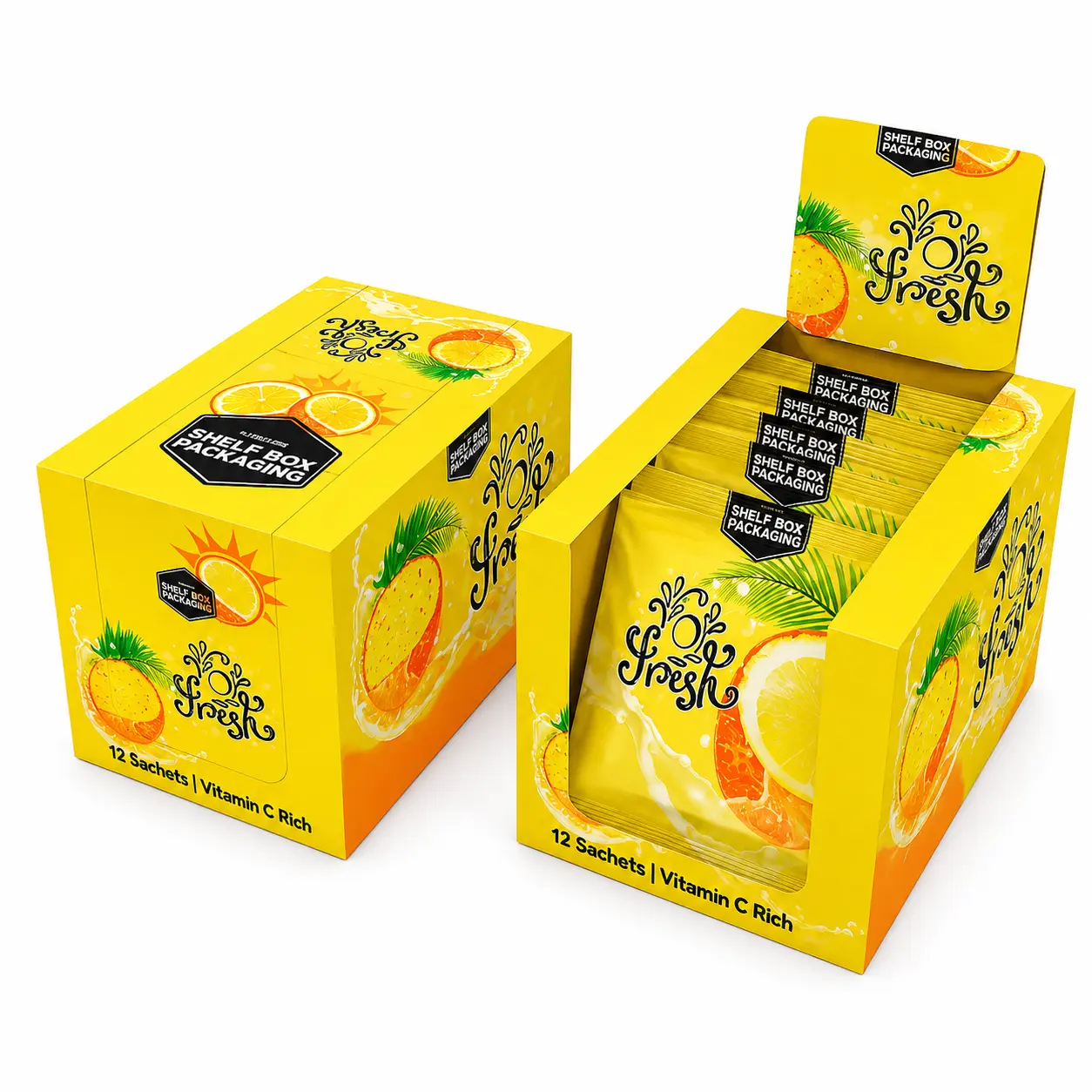
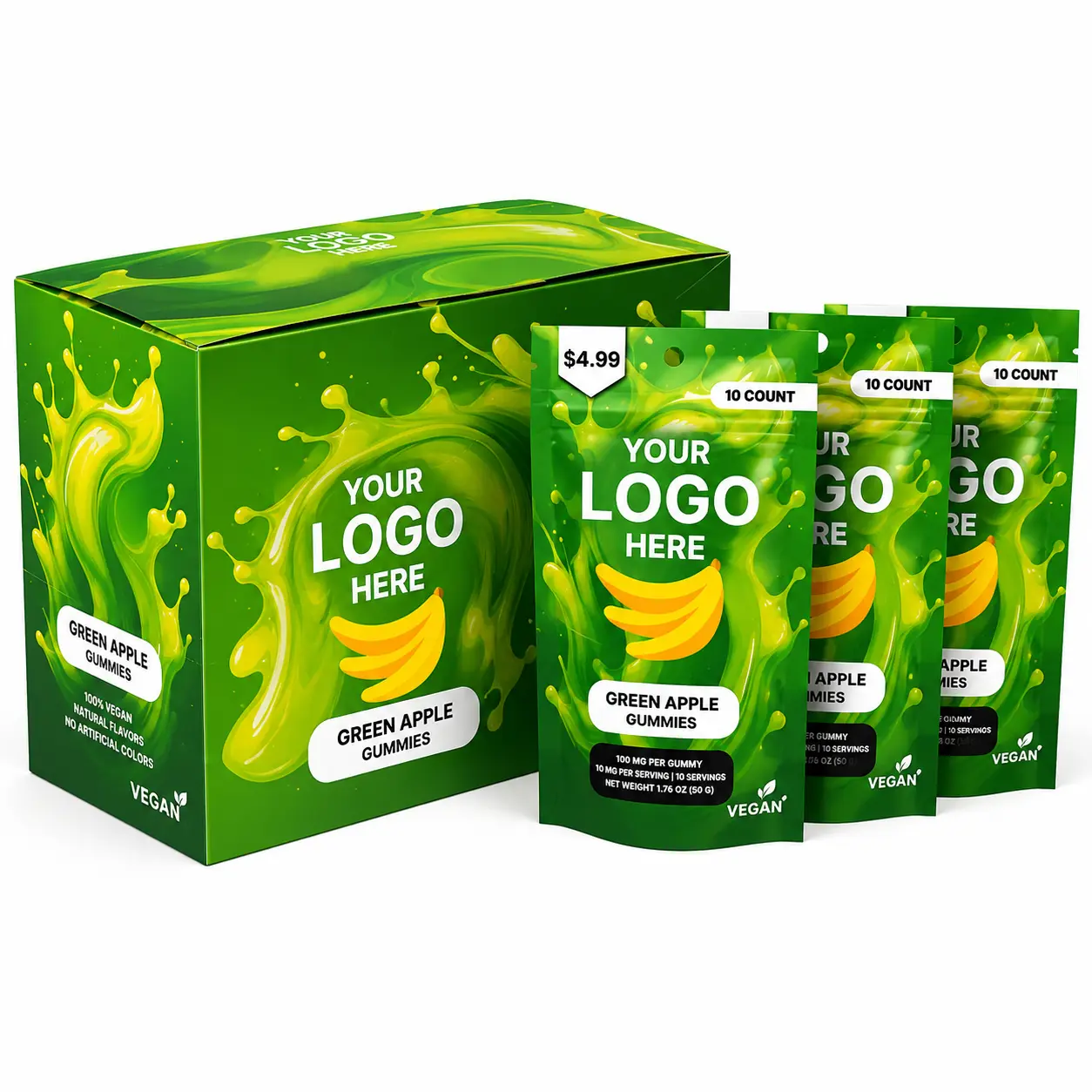
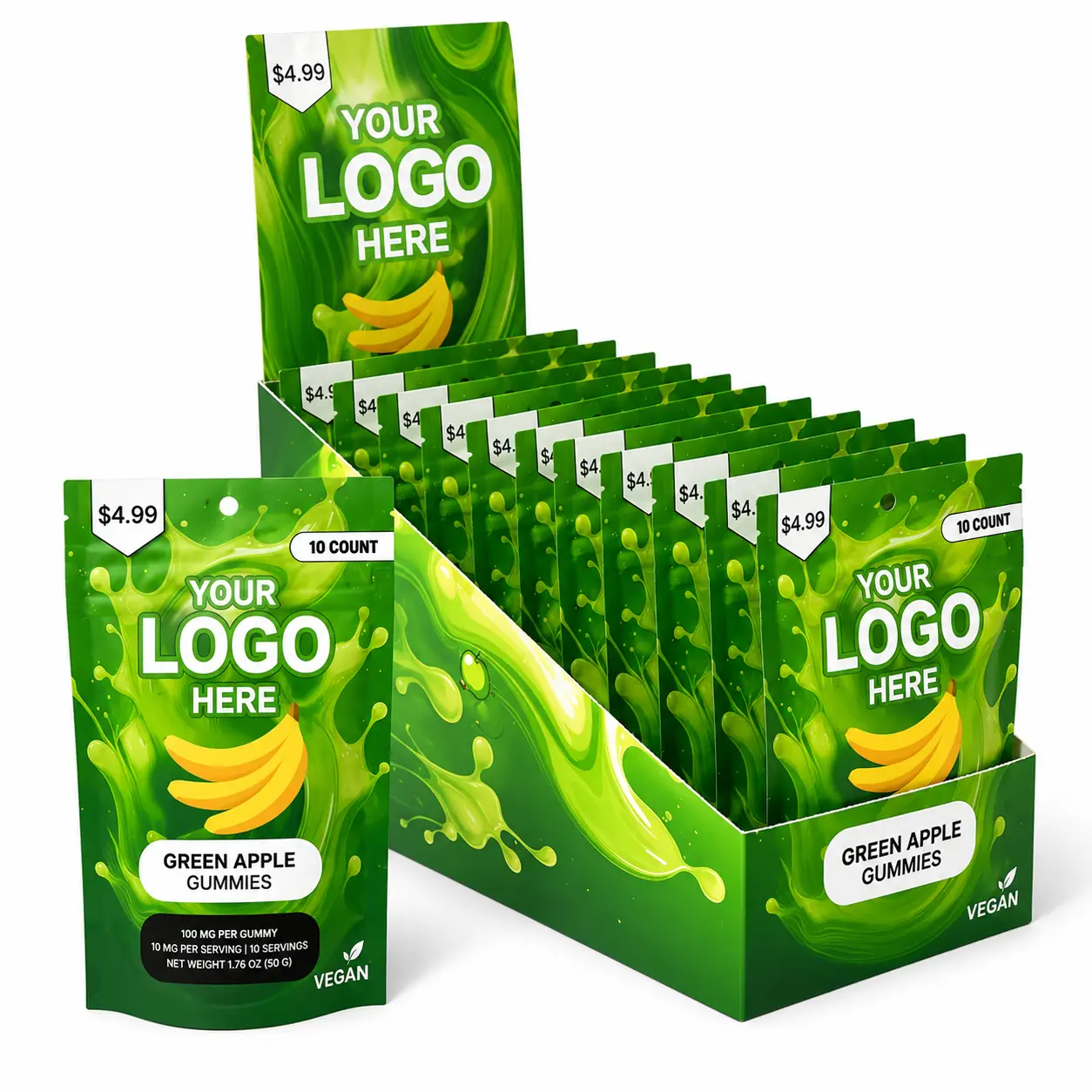
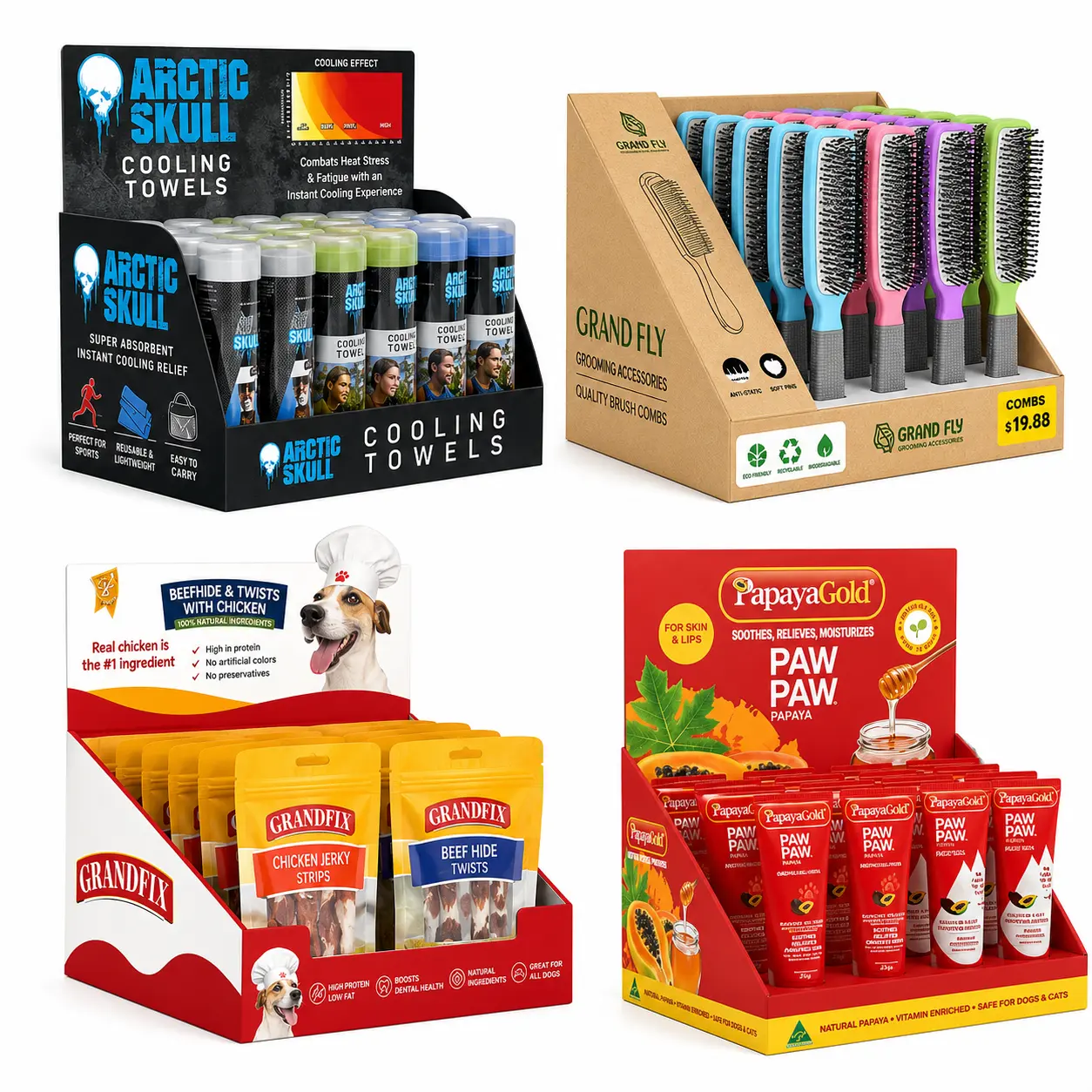
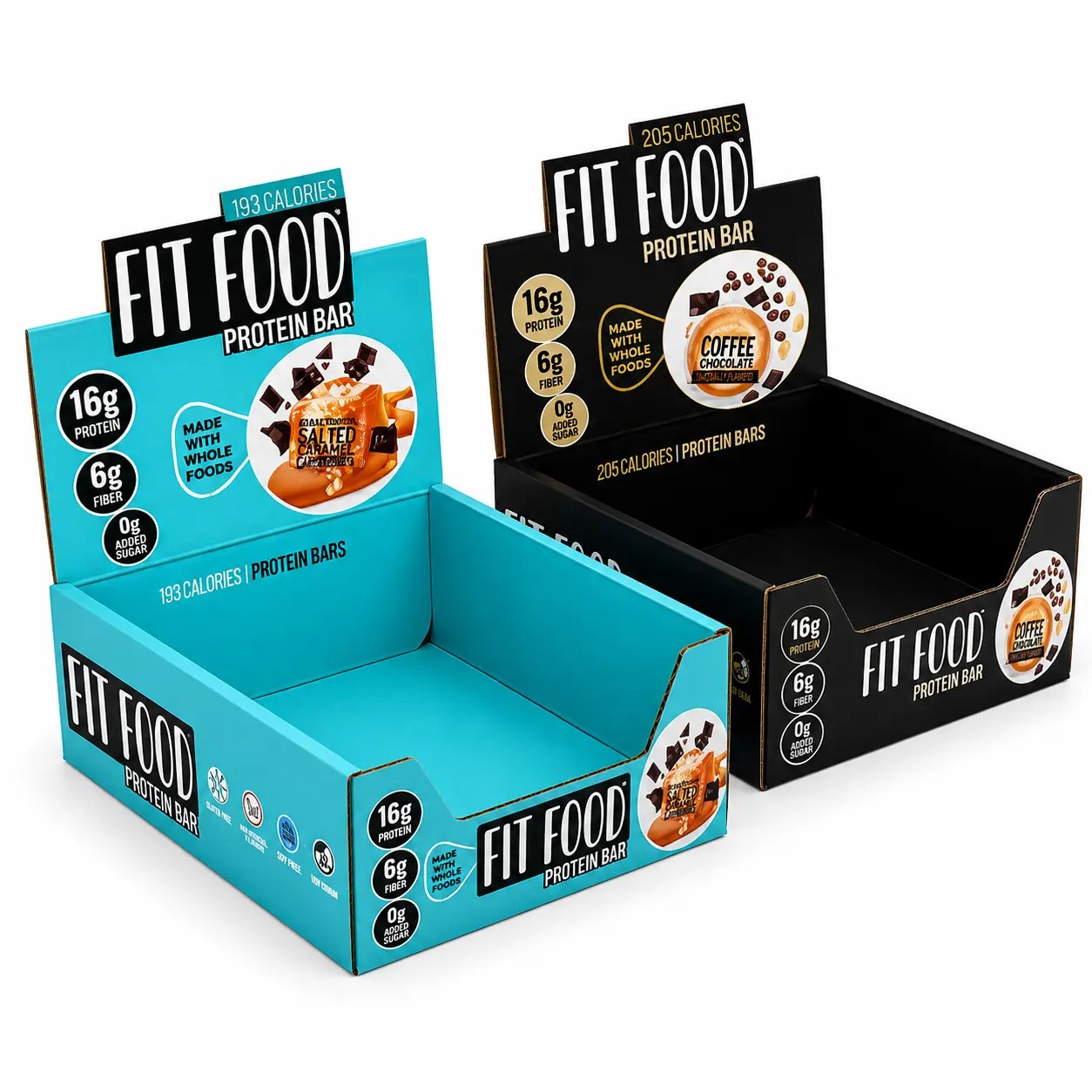
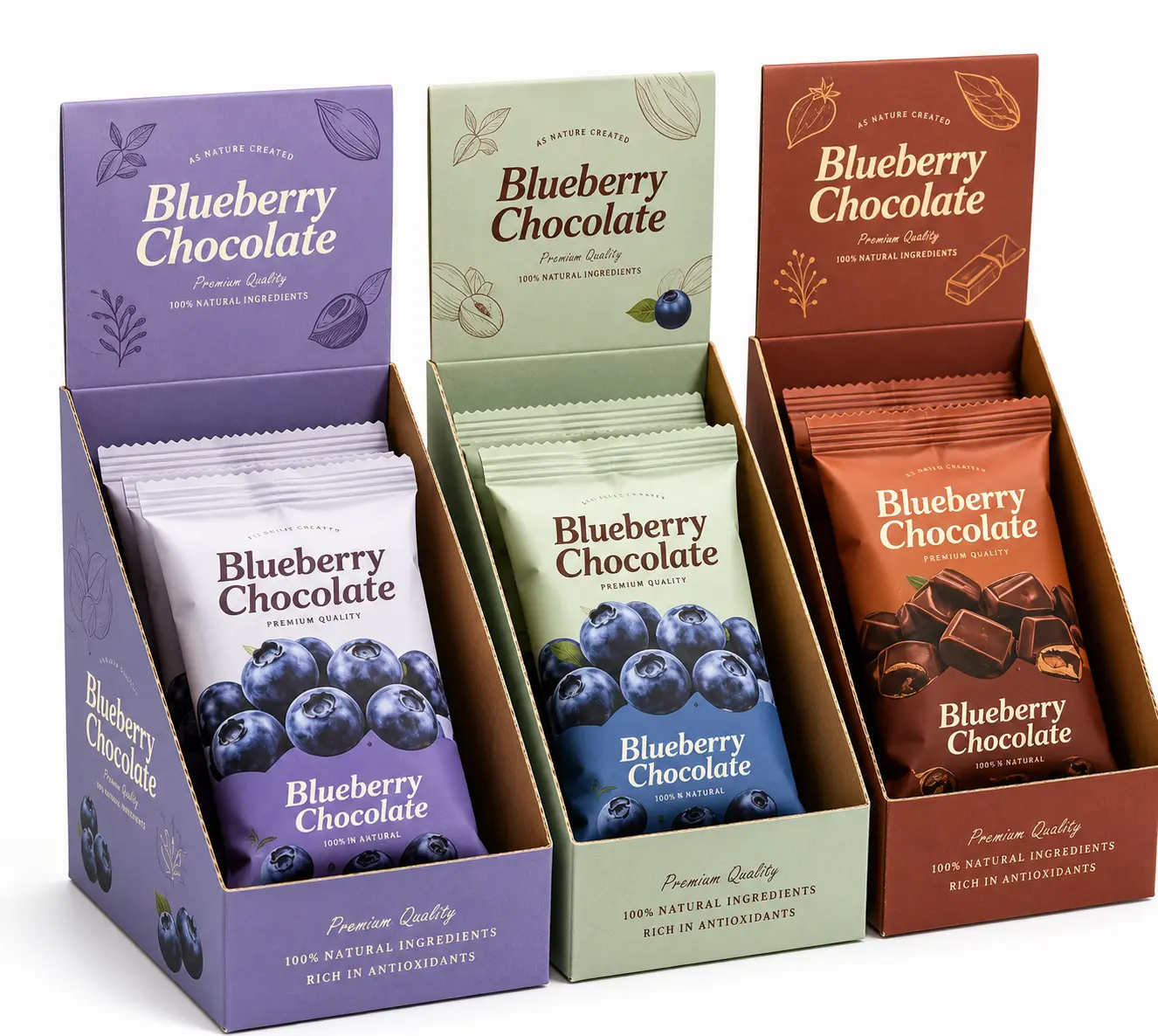
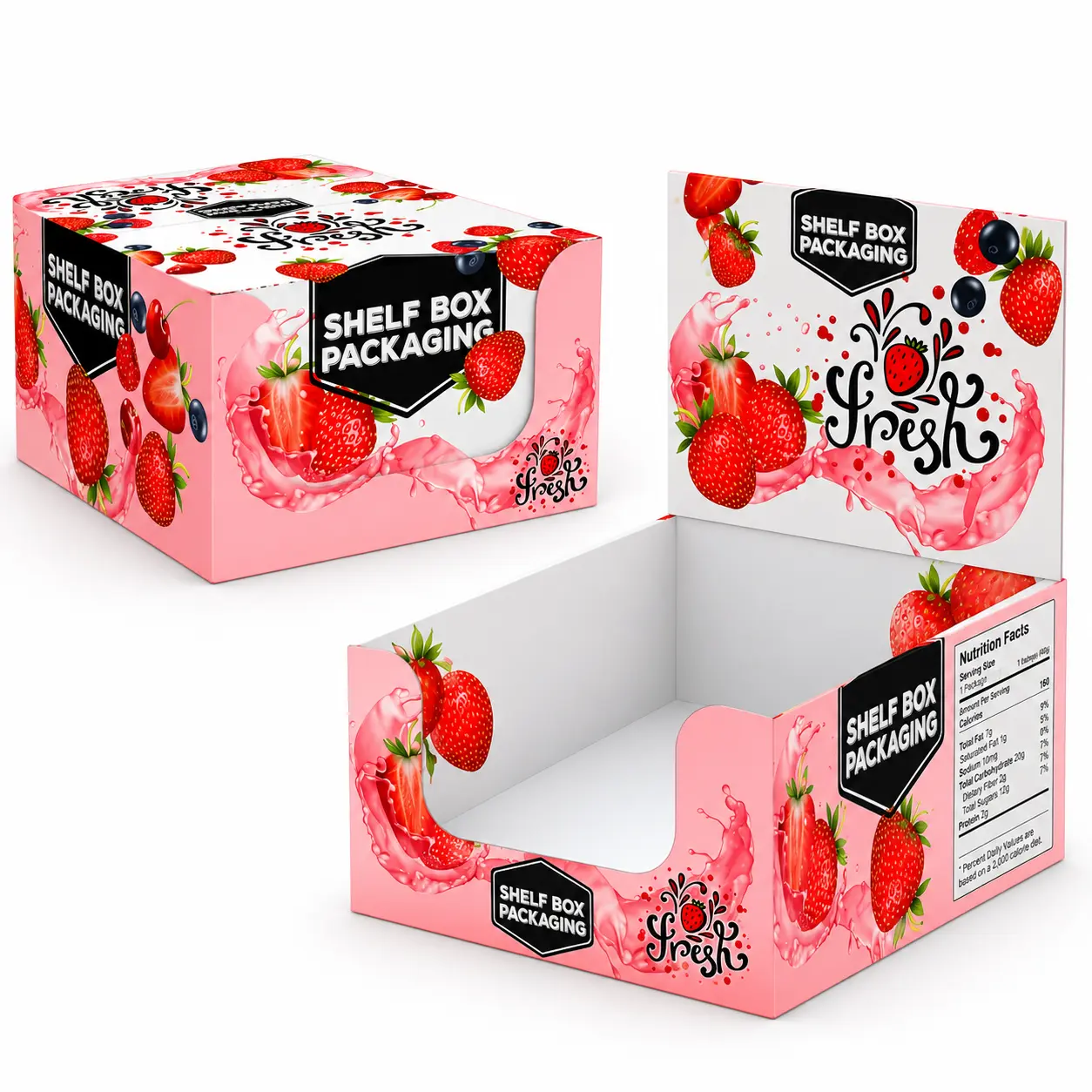
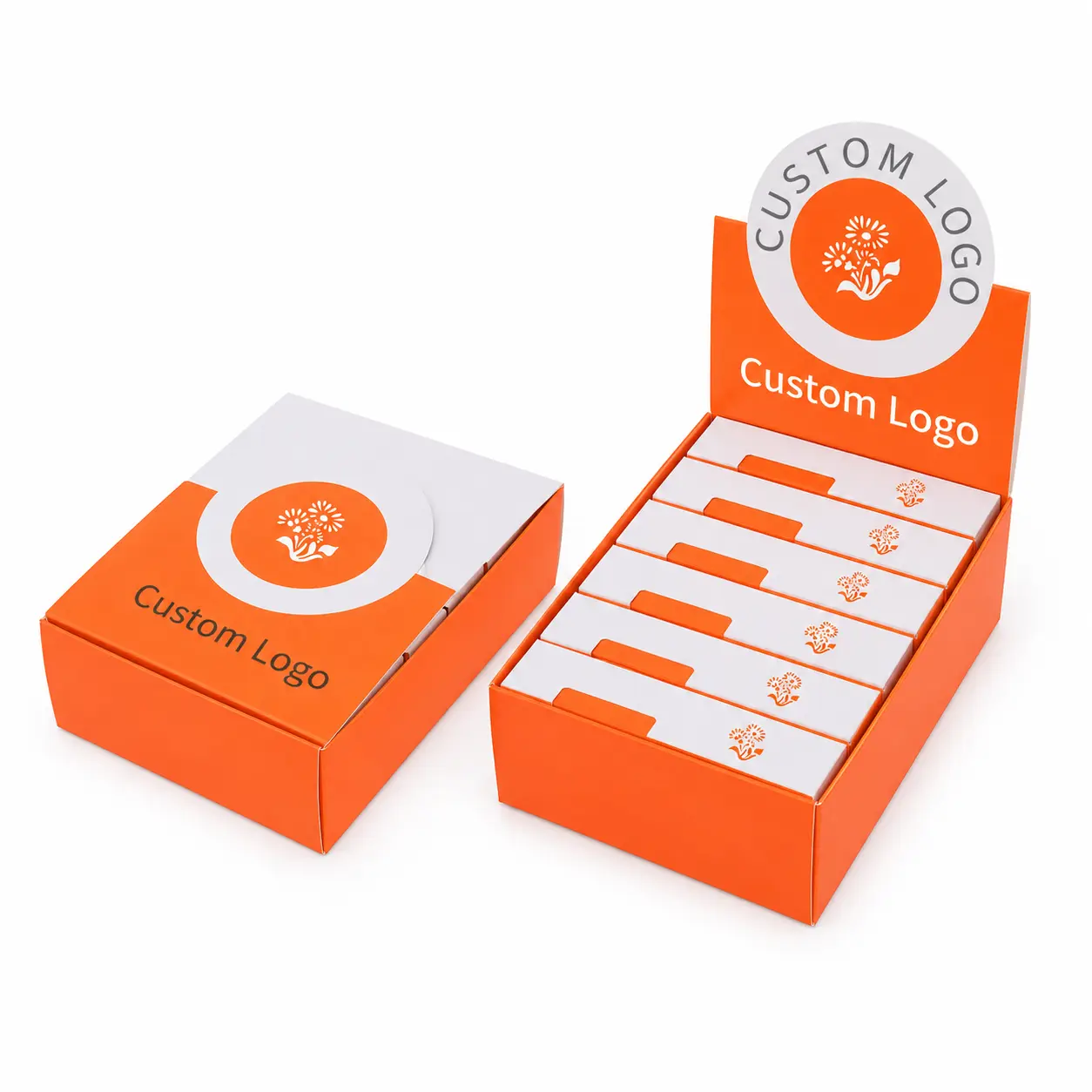
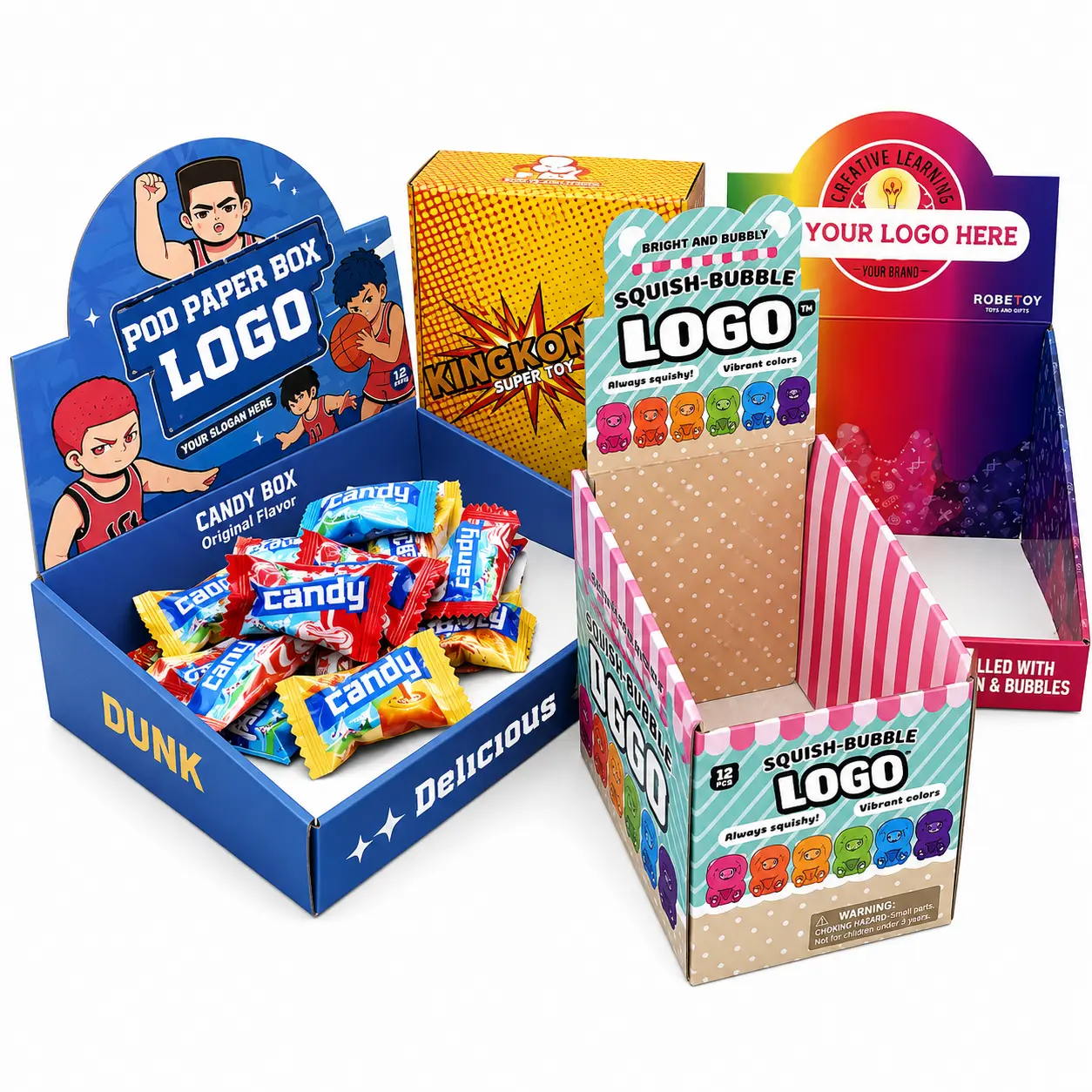
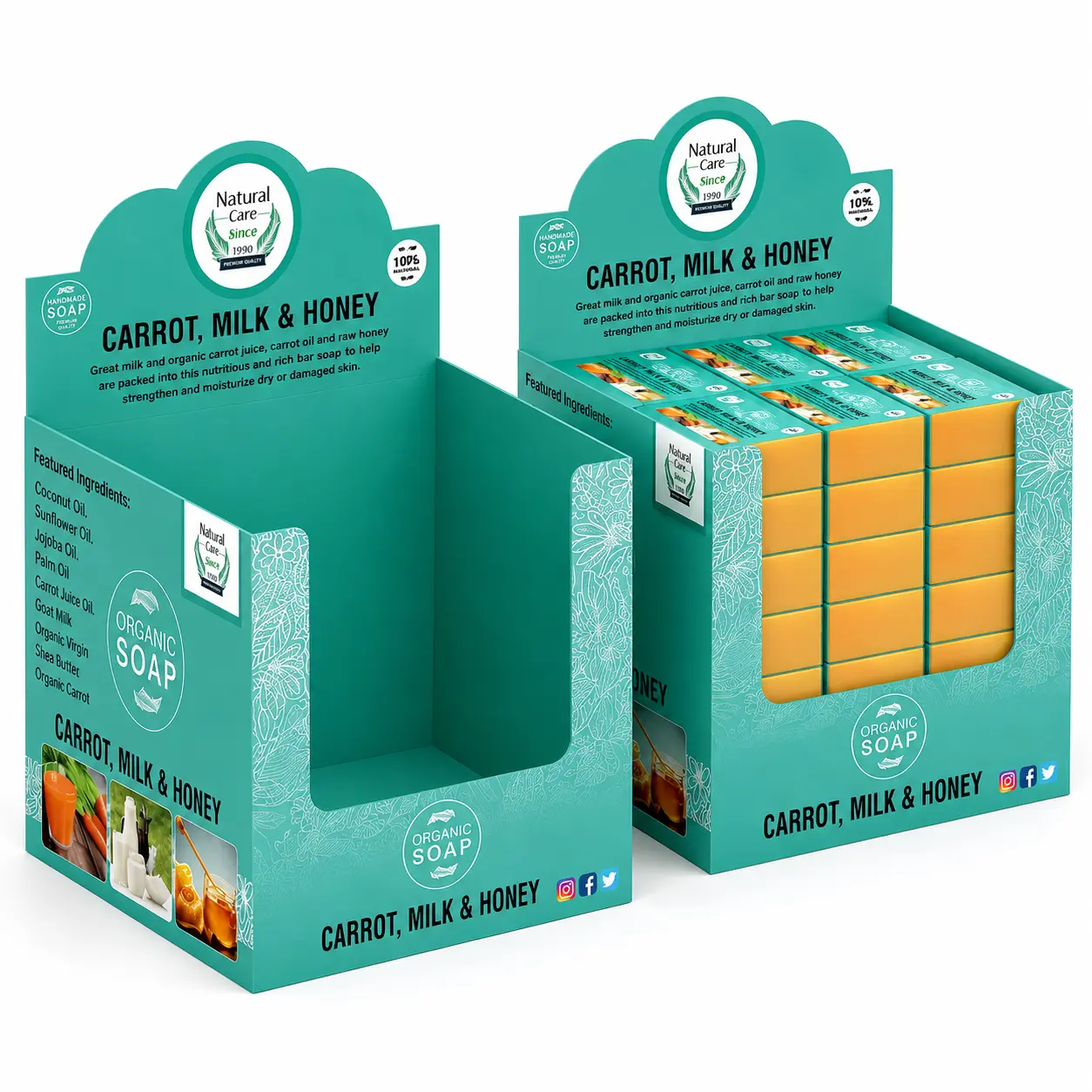
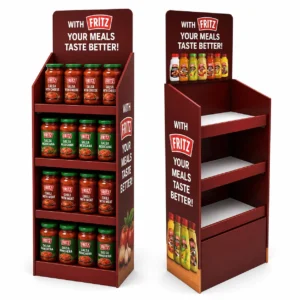
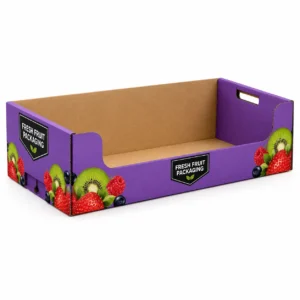
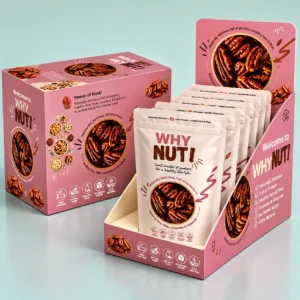
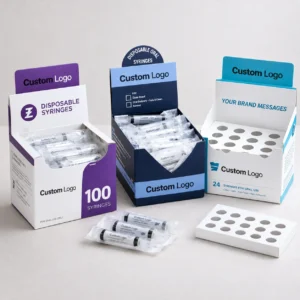
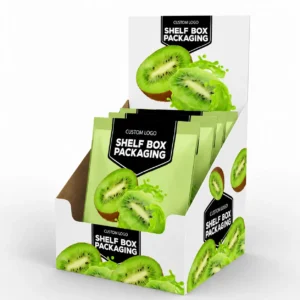
If you’ve ever worked a night shift stocking a supermarket, you know the slow part isn’t the lifting, it’s slicing open a carton and taking out twenty-four little jars one at a time and turning every label to face the aisle. Retail ready packaging gets rid of that. Tear the strip, lift the top off, slide the tray in. Labels already face out.
We mostly hear from brands about to go into supermarkets or pharmacies, sometimes convenience chains. Their buyer asked for it, usually. Also the shelf just stays neater. If your thing is small and sells in multiples and gets restocked every week, it’s a good fit.
How Retail Ready Packaging Works on the Shelf
Two jobs, one box.
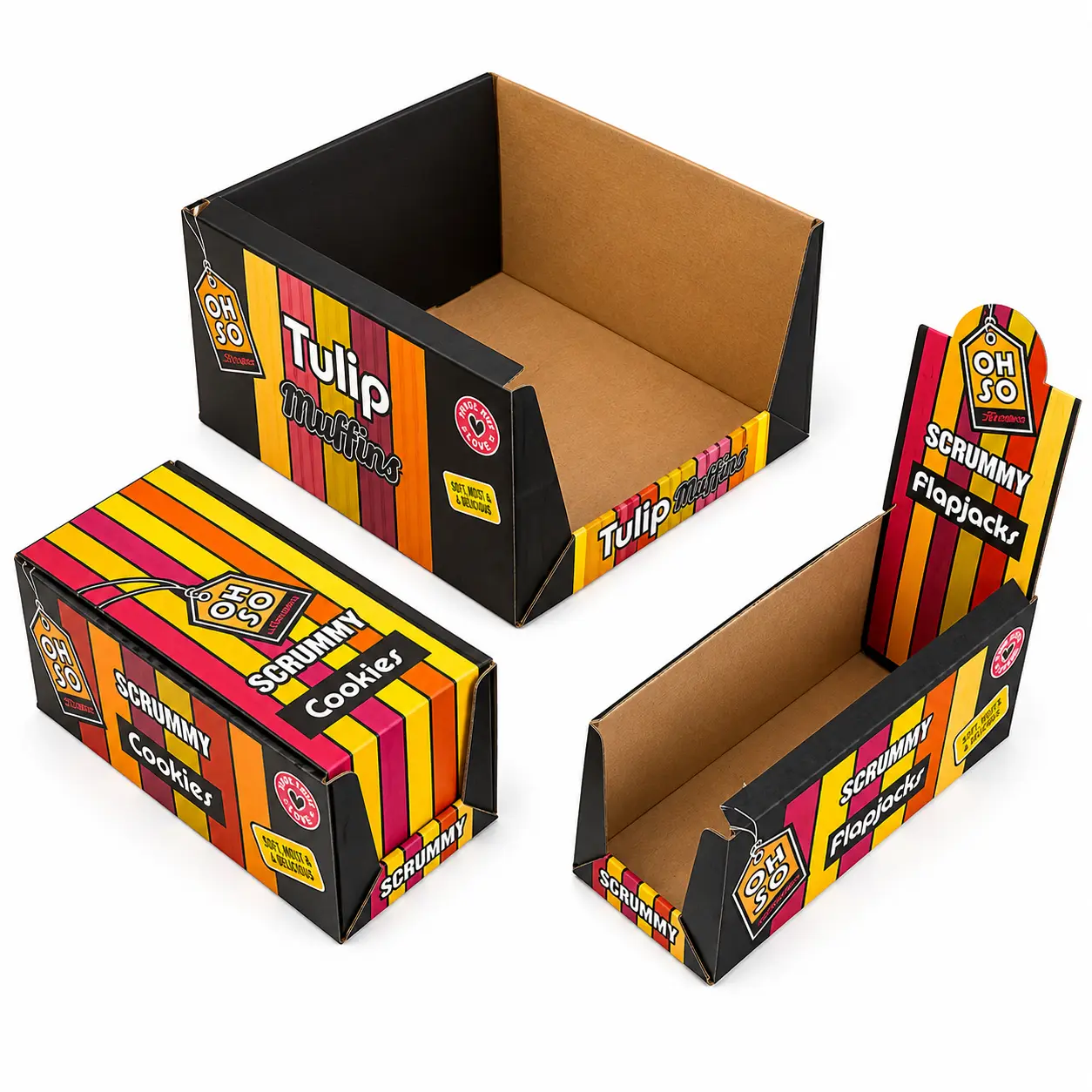
First it’s a shipping case that has to live through a pallet, a forklift and a truck, and then after one quick tear along a perforated line the bottom half becomes an open display tray, and getting both of those right at once is honestly the whole trick, because perforations that are too weak pop open in transit and ones that are too strong mean staff go at it with a box cutter.
So we test a sample with your real product inside to make sure the tear line breaks clean. If you’re weighing formats, our article on shelf ready packaging vs tear away display boxes compares them.
Sizing Around Shelf Depth and Case Count
We start at the shelf and work backward. How deep is it? Stores hate a tray poking out past the edge. After that it’s how many per case (12? 24?) and whether they stand one row deep or two, and the box gets drawn around those answers.
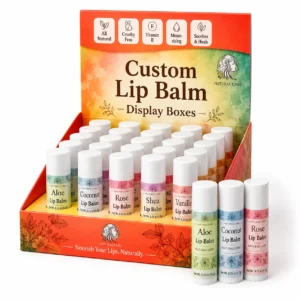
Board? Anything heavy like jars or cans, we’d go B-flute or double-wall. Snack packs or lip balm are fine in E-flute, which prints sharper too. The front lip is the fiddly bit, to be fair, because too low and things tip out while too high hides the label, and we sort that balance out at the sample stage.
Printing for Both Halves of the Box
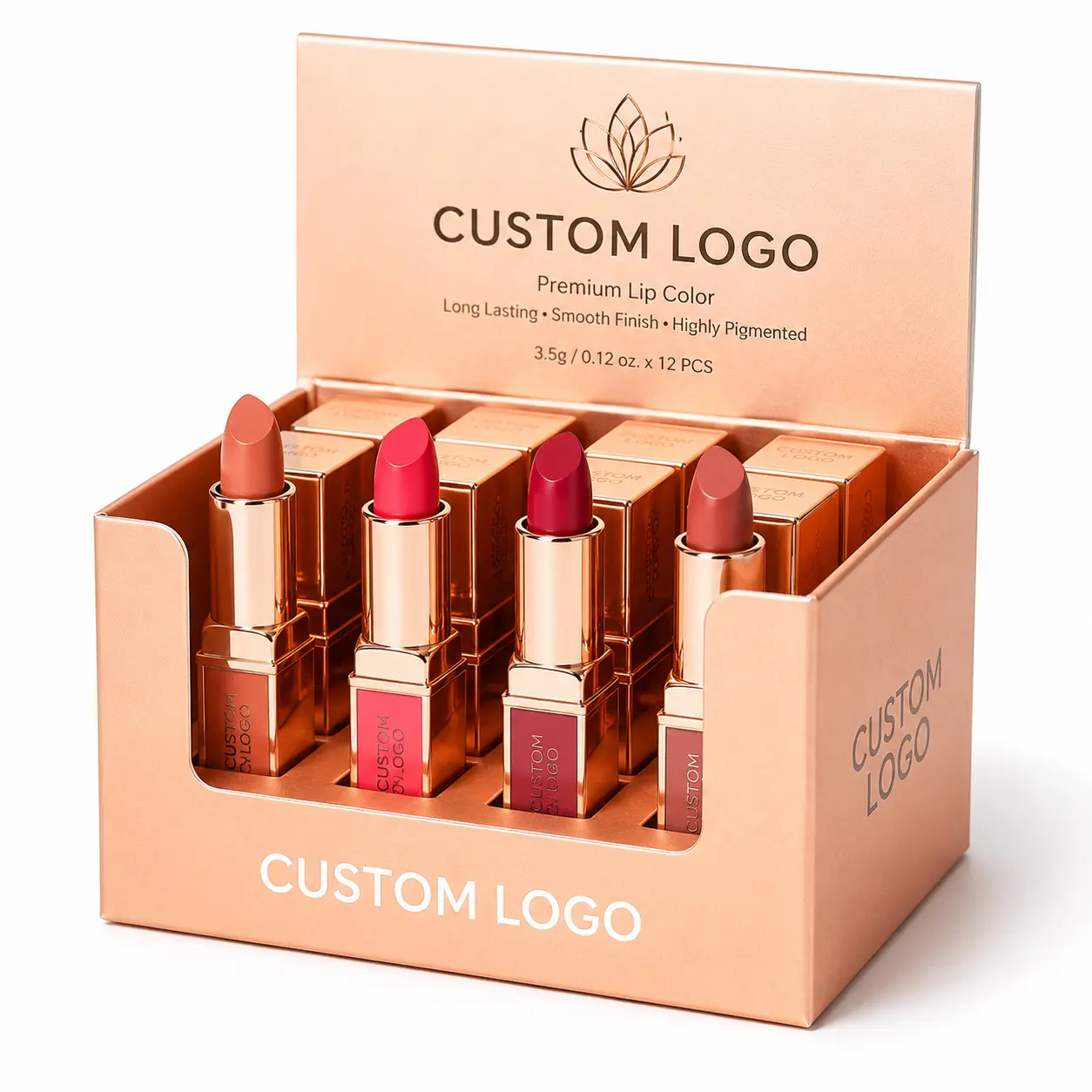
The shipping half barely needs anything, product name, case count, maybe a barcode. Your branding goes on the display half since that’s what shoppers see. We’d print the inside back wall too. It shows up once a few units sell.
We set up the dieline and place your artwork on both halves free, then send a digital proof. Inks are soy-based and water-based, and most corrugated is recyclable, which store buyers ask about more and more. Related formats are in our display packaging range.
Retail Ready Boxes vs Other Display Options
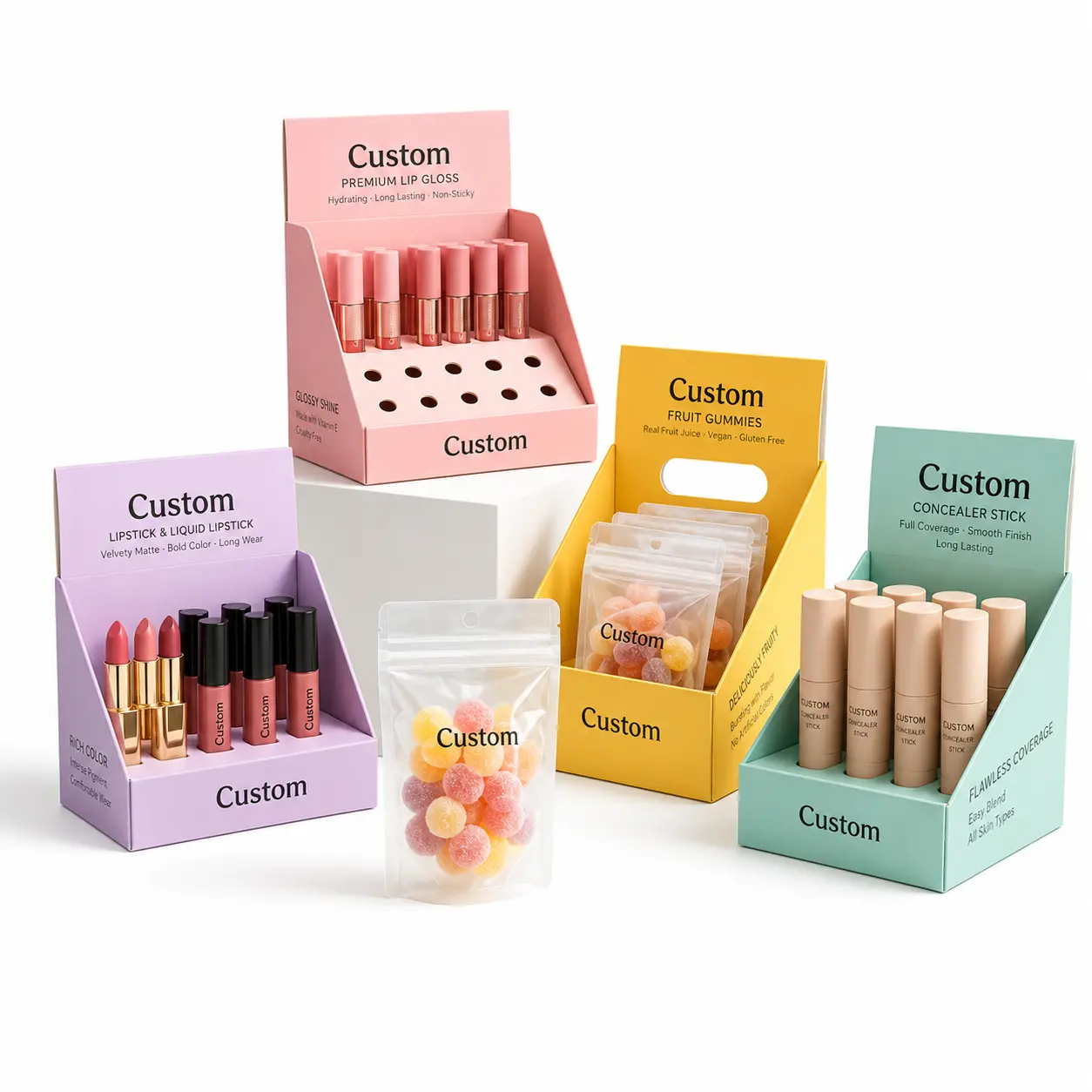
Not in the big chains yet? Then a simpler tear away display box or a counter display might suit you better for now, lighter and cheaper, and you switch once the bigger accounts land. If your buyer says “shelf ready” instead, our shelf ready packaging page covers that close cousin.
Minimums are low, often around 50 boxes depending on the style, and each box costs less as volume grows. Standard production is 10 to 12 business days after proof approval, and ground shipping anywhere in the USA is free.
Retail Ready Packaging FAQs
Can the tray be reused once the case is empty?
Some stores refill them with loose stock, but they’re mostly built for one trip. Want one that lasts? We’d go heavier board and skip the perforation on the base.
What if my retailer gave me exact specs?
Send them over. We’ll build the dieline around their shelf depth, case count and label spot before we quote.
Does a tear strip weaken the box in transit?
A little, which is why we test with your real product. Stacking strength mostly comes from the corners and wall board anyway, not the strip.
You May Also Need
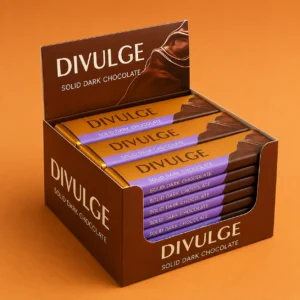
Building a full product line? Take a look at corrugated display boxes, custom countertop display boxes, chocolate display boxes and lip balm display boxes. Everything in this range is listed under display packaging. Not sure about size? Read types of display packaging.