Snacks get grabbed. Off a cafe counter, out of a gift basket, from a lunchbox at 3pm. So what does a snacks box actually need? Opens with one hand. Fits in a bag. Doesn’t get flattened under a water bottle in the bottom of a tote, which is harder than it sounds. Bakeries and cafes order them from us, snack brands too, and caterers and gift companies, for anything from cookies to trail mix.
The tricky bit is that snacks vary wildly. A box that works for six cookies is wrong for loose popcorn, and a granola bar box is different again. So we start with what’s going in, how much, and whether it’s wrapped.
Snacks Boxes for Different Kinds of Snacks
Cookies, brownies, bars, the baked stuff, we’d usually put in a tuck end or a lidded box and cut a window so people can see the goods. Popcorn, pretzels and nuts are a different story. Paperboard on its own lets moisture through, and crunchy things go stale in a couple of days, so loose snacks need a liner or an inner bag. Bars and individually wrapped items do well in a dispenser box with a tear-off front.
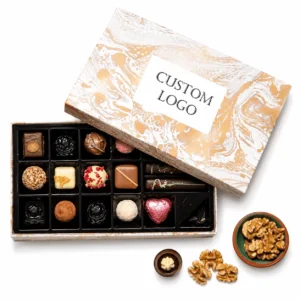
Gift and variety boxes are their own category. We’d give those three or four sections. Why? Because someone will put chocolate next to chili-lime chips, and trust us, you don’t want those two swapping flavors overnight.
Choosing Materials for Snack Packaging
SBS paperboard is the usual choice for printed retail snack boxes. It folds cleanly, prints bright and is light enough to keep shipping costs down. Kraft suits natural, organic and artisan brands and looks right with simple one or two color print. For snacks shipped in bulk to stores, a corrugated box gives more crush protection. Our comparison of cardstock vs corrugated helps if you’re torn.
Greasy snacks are a real issue. Butter cookies and fried chips will stain uncoated board. Lamination on the inside surface, or a glassine bag inside, keeps the outside of the box clean. Worth checking before you print a light-colored box.
Printing Your Snack Boxes
People pick snacks in about a second. The front’s got to say the brand, the flavor and why they’d want it, big enough to read from a few feet off. Everything else, ingredients, the nutrition panel, allergens, the barcode, goes round the sides and back, and our design team fits it in for free and makes sure the tiny type doesn’t print as a smudge.
Color-coding flavors is one of the easiest wins in snack packaging. Same box structure, same layout, different color per flavor. Since most digital print jobs have no plate charges, printing four flavors in one order isn’t a big setup cost. Gloss lamination gives snack boxes a punchy look, while matte reads more premium.
How to Order Custom Snacks Boxes
Minimums are low, often around 50 boxes depending on the style, and the price per box comes down as quantity rises. You’ll get a digital proof before printing and can ask for a physical sample to test the fit with real snacks. Once you’ve approved the proof it’s normally 10 to 12 business days. We ship ground for free anywhere in the USA.
Selling sweets or cookies specifically? Have a look at our custom candy boxes and cookie boxes with logo, or browse the full bakery packaging range. You can also request a quote with your snack and portion size.
Snacks Boxes FAQs
Will a paperboard box keep chips or popcorn fresh?
Not by itself. Paperboard doesn’t block moisture, so crunchy snacks need a sealed inner bag, with the printed box as the outer layer.
Can I add a window to see the snacks?
Yes. A window works well for cookies and bars. For greasy snacks, keep the window small or add a film so oil doesn’t mark the edges.
Can one box fit different flavors?
Usually, if the portions are similar. Many brands keep one size and change only the print color for each flavor.
Related Packaging
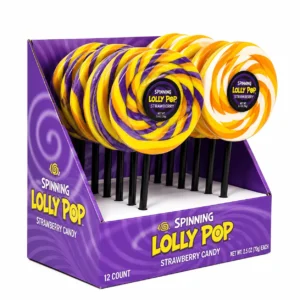
Brands ordering these often look at waffle boxes, ice cream boxes, custom lollipop boxes and custom gourmet packaging boxes as well. You can see the full range in bakery packaging boxes.