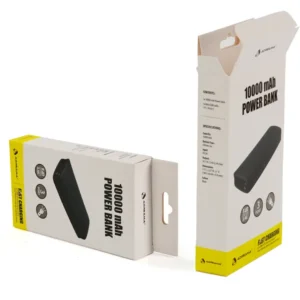
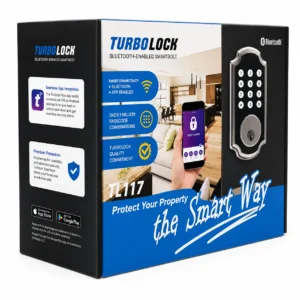
Keyboards are long, a bit heavy at one end and covered in parts that pop off. A mechanical board with hot-swap switches can shed keycaps in transit if the lid presses on them, and a wireless board with a battery doesn’t like being dropped corner first. Keyboard packaging boxes are made for peripheral brands, custom keyboard builders and resellers who want each one to reach the desk looking factory fresh.
For enthusiast boards, the box is part of the product. Keyboard fans unbox on camera, keep the box and sometimes resell it with the board. That’s a good reason to get the fit and print right.
Keyboard Packaging Boxes Sized by Layout
Layout decides length. Full-size? Roughly 17 to 18 inches. Tenkeyless lands nearer 14, and a compact one without the function row is about 12 or 13, give or take, while the width kind of depends on the case and whether there’s a wrist rest. Height depends on profile, since a tall aluminum case with sculpted keycaps needs far more clearance than a low-profile laptop-style board.
Send us the measurements, or a unit to test with. If you’re doing it yourself, our guide on how to measure a box explains which dimensions we need. We’ll add enough clearance for a dust bag or sleeve without leaving room to slide.
Inserts That Protect the Keycaps
The biggest risk is pressure on the keys. So we cut an insert that props the board up by its frame, never the keys, and then the lid physically can’t reach a cap. The cable, the keycap puller, a bag of spare switches, maybe a wrist rest, all go in a little compartment underneath or alongside.
Heavy metal-case boards benefit from a corrugated insert rather than thin paperboard. It’s stiffer and won’t flex when someone carries the box by one end. Which, honestly, everyone does.
Material and Print Options for Keyboard Boxes
Going on a store shelf? We’d use SBS, the product shots and the spec text come out sharpest on it. If you ship straight to buyers, a printed E-flute corrugated box can be the retail box and the shipper at the same time, which saves you an outer carton. Kraft corrugated suits brands going for a minimal, raw look.
Back panels usually carry the layout, switch type, connectivity, compatibility and a barcode. Our go-to look is matte with spot UV over the keyboard render, and silver foil on the model name (gold feels off for tech, to us anyway). Inside the lid? A few brands print the key layout there, or just a quick thanks. The design team sets up the layout for free and checks your files before print.
Ordering Your Keyboard Packaging
Minimums are low, often around 50 boxes depending on the style, which suits keyboard makers running small group buys. The price per box drops as the order grows. You’ll see a digital proof first, and you can ask for a physical sample before the full run to check the fit.
Standard production is 10 to 12 business days after proof approval, and ground shipping is free in the USA. Selling a full desk setup? Our mouse packaging boxes can be designed to match, and our motherboard packaging boxes use a similar insert approach. More options live in our electronics packaging range.
Keyboard Packaging Boxes FAQs
Can one box size fit both TKL and full-size boards?
Not ideally. The length difference is a few inches, so a shared box leaves the smaller board loose. Separate sizes with the same artwork is the usual approach.
Will the insert stop keycaps from popping off?
That’s what it’s designed for. The board rests on its frame and the lid clears the tallest keys, so nothing presses on the caps.
Should I use corrugated or paperboard?
SBS paperboard is great for retail display. If the box will ship directly to customers, E-flute corrugated gives better protection with similar print quality.
Related Packaging
Brands ordering these often look at handsfree packaging boxes and mouse packaging boxes as well. You can see the full range in electronics packaging boxes.